
Cole Webley: From Utah Roots to Sundance Premiere with “Omaha”
Cole Webley, a Utah-based filmmaker and father of four, is set to make his feature directorial debut at the 2025 Sundance Film Festival with his drama “Omaha.” Selected for the U.S. Dramatic Competition, the film explores a family’s cross-country journey in the aftermath of the Great Recession, drawing from a screenplay by Robert Machoian, whose previous work “The Killing of Two Lovers” also premiered at Sundance in 2020. Webley describes the project as a deeply personal endeavor, rooted in his own experiences as a parent and his desire to explore themes of empathy, forgiveness, and resilience during times of hardship.
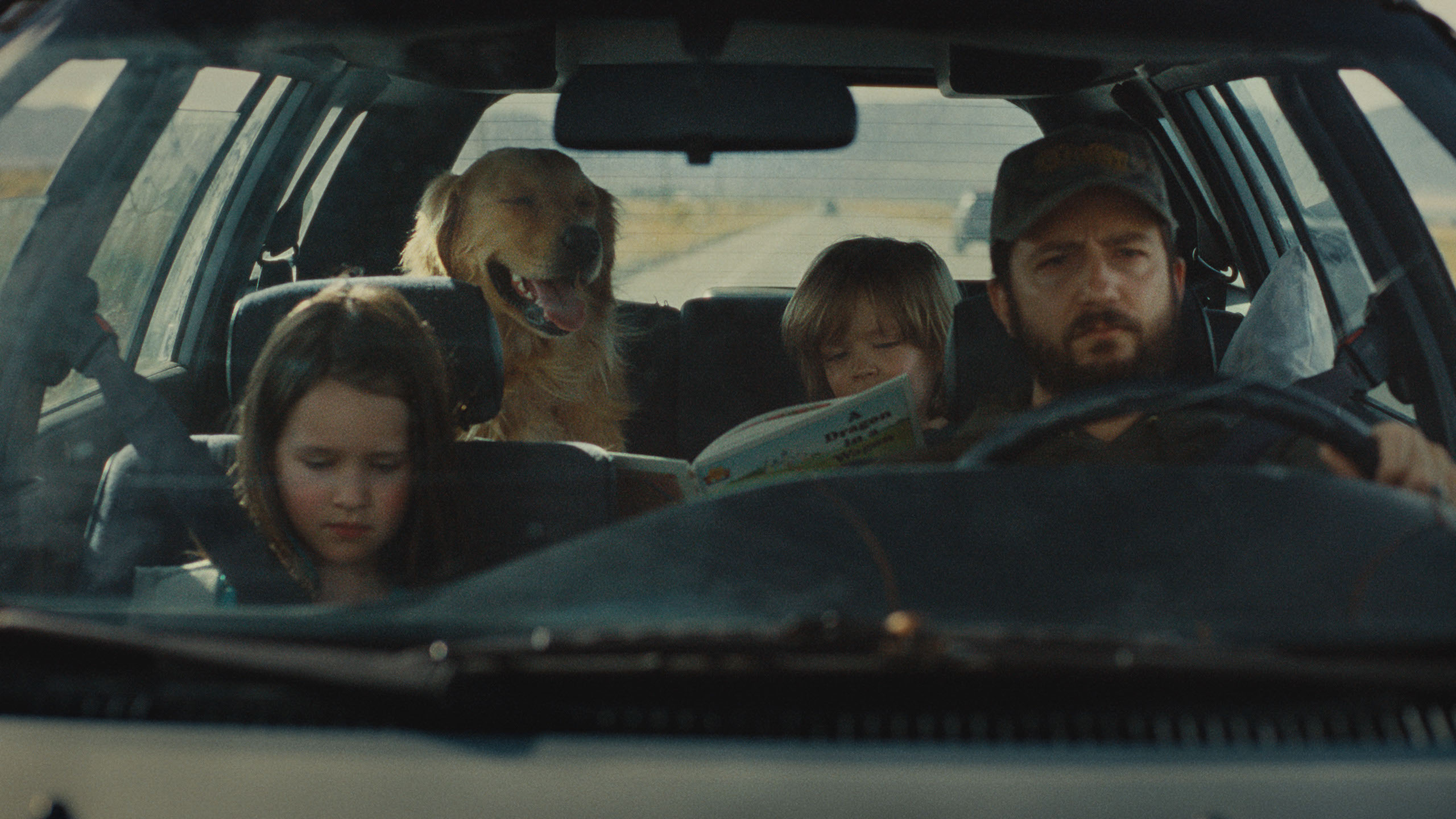
“Omaha” stars John Magaro, known for his role in “Past Lives,” alongside young actors Molly Belle Wright and Wyatt Solis. The film was shot across Utah, Wyoming, and Nebraska, with much of the production based near Webley’s home, allowing him to sleep in his own bed during much of the shoot. Despite challenges posed by the 2023 SAG-AFTRA strike, the production secured an interim agreement, enabling the self-funded indie film to move forward. Webley has spoken openly about the emotional weight of directing child actors and the importance of creating a safe, collaborative environment on set.
The director’s connection to the story began when he read Machoian’s script, which he said “hit him across the face.” Though he admitted he knew little about the specific historical moment depicted — a real-life tragedy tied to the economic downturn of 2008 — he found immediate resonance in the portrayal of parental grief, hope, and the struggle to provide stability for children. “I related to the feeling of grief, loss, hope,” Webley said in a Sundance Institute interview. “Who are these parents? What were they going through? Robert’s script lets us in. I knew that was a world I wanted to get inside.”
Early Life and Path to Filmmaking
Webley has lived in Utah for over two decades, having attended undergraduate film school in the state and directed his first short films near Park City. He has been a regular attendee of the Sundance Film Festival for years, submitting his short films annually before finally achieving his goal of premiering a feature. “It’s been that beautiful thing that always seemed just out of reach,” he said. “It’s a dream to be premiering my debut feature film at not only the greatest independent film festival, but one with such a storied history and in my very own hometown.”
His passion for filmmaking traces back to childhood. “It’s the only thing I’ve ever truly wanted to do,” Webley shared. “I’m smitten by it. I absolutely love going to movies, making movies, reading about movies.” He cites a range of influences, including Carl Theodor Dreyer, Wim Wenders, Paul Thomas Anderson, the Dardenne Brothers, and author Cormac McCarthy. When asked about a recent film he wished he had made, he pointed to Wim Wenders’ “Perfect Days,” which he saw during post-production on “Omaha” and described as “incredibly inspiring” for its focus on tone and performance.
Webley also revealed a lesser-known personal detail: he speaks fluent Spanish, having lived in the Dominican Republic for several years. He has maintained the language through work on commercials in production hubs like Mexico City, Barcelona, and Chile, and has already made two short films in Spanish, which he plans to incorporate into future projects.
Directing Young Actors and On-Set Challenges
Working with child actors Molly Belle Wright (age 9 at the time of shooting) and Wyatt Solis (age 6) presented both rewards and difficulties. Webley acknowledged the common advice to avoid filming with kids or animals but said he was fortunate to find young performers who brought authenticity and presence to their roles. “Molly is a revelation,” he said. “She really owns this film. Wyatt’s ability to be incredibly present shocked me. He delivers a performance in a key moment of the film that I couldn’t have dreamed of.”
He emphasized that his primary responsibility was to create a safe and enjoyable environment for the children, ensuring they would remember the experience positively. “Not only did I want to make a great film, but I wanted Molly and Wyatt to remember this experience positively for the rest of their lives,” he stated. The shoot required careful scheduling due to legal limits on minors’ working hours, effectively condensing the production into an 18-day schedule spread over more days.
The production also included the family dog, which Webley noted was “so great to work with.” He described moments of unpredictability, particularly with Wyatt’s energetic nature, but said the film benefited when the crew followed the child’s lead rather than forcing performances. “The film is its best, though, when we followed him and didn’t force him our way,” Webley explained.
Filming Across States and the Haunted Bed-and-Breakfast
While much of “Omaha” was filmed in Utah, the production embarked on a multi-state journey through Wyoming and Nebraska to mirror the film’s narrative of a family searching for stability. Webley recalled pulling a camp trailer to set each day to house the cast and crew, a decision driven by both budget constraints and a desire to foster camaraderie. “I literally got to sleep in my own bed most days!” he said, highlighting the personal convenience of shooting near home.
One memorable stop was a reportedly haunted bed-and-breakfast in Wyoming, where the team stayed during the Wyoming-Nebraska leg of the trip. Webley shared that the hosts served family-style meals and shared stories of alleged paranormal encounters, which the crew found entertaining rather than frightening. “The kids loved it!” he said, noting that the experience helped strengthen bonds among the cast and crew during a demanding shoot.
Sundance History and Personal Milestones
Webley’s relationship with the Sundance Institute spans years of attendance and submissions. When he learned “Omaha” had been accepted into the U.S. Dramatic Competition, he faced a personal dilemma: whether to call his wife or his producer, Preston Lee, first. He ultimately chose to inform Lee, noting with a smile that his wife has since “forgiven” him.
When asked about his favorite Sundance-associated films, Webley cited a tie between David Michôd’s “Animal Kingdom,” which he saw at its premiere, and Damien Chazelle’s “Whiplash,” whose screening concluded with an audience roar he described as unprecedented. “It was magical,” he said. “Damien’s and David’s Q&As were the icing on the cake.”
Filmmaking Philosophy and Future Outlook
Webley views film as a universal language capable of fostering emotional maturity and connection. “Film is the universal language of human experience,” he said. “We all remember those transcendent moments in a theater when we feel like the film was made specifically for you!” He believes cinema pushes audiences toward greater empathy, whether through laughter, tension, or fear.
To aspiring filmmakers, he offers this advice: embrace vulnerability. “Vulnerability is beauty. Bare it. Feel it. Don’t be afraid to fail!” He stresses the importance of learning from every project, recognizing personal privilege, and using one’s position to open doors for others — a practice he believes returns “tenfold.”
Looking ahead, Webley remains committed to storytelling that reflects the complexity of human life without resorting to sentimentality. “I promise that [it] doesn’t have to be saccharine. It can be raw and dirty and messy, but if you stay long enough it can be immensely rewarding.” While he hopes his films will connect audiences to shared humanity, he is clear about his greatest creation: “I know my greatest creation will not be my films, it will be my family.”
As “Omaha” prepares for its Sundance premiere, Webley stands at the threshold of a new chapter in his career — one grounded in personal truth, artistic intention, and a deep belief in the power of film to ask questions, foster understanding, and motivate toward positive change.