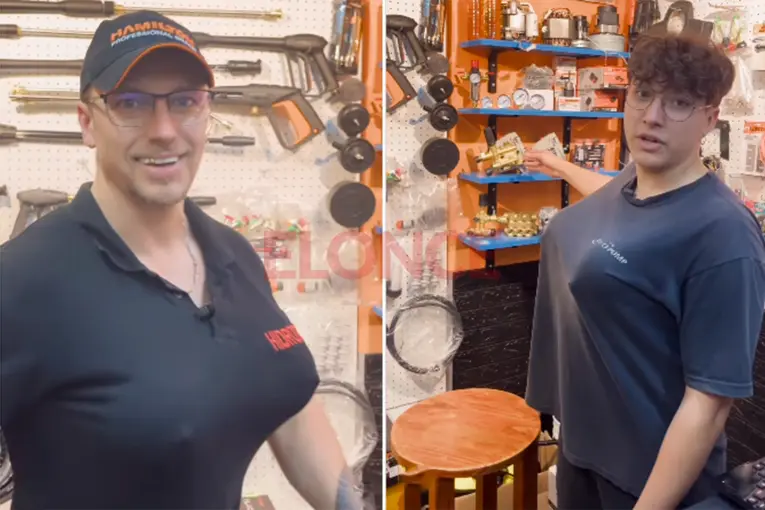
On Tuesday, April 21, 2026, a video posted on Instagram by the account radiocityfederacion sparked widespread criticism online after it questioned a commercial advertisement from a business in Entre Ríos, Argentina. The video, shared on the same day, accused the advertisement of promoting a “misogynistic logic” and generated significant backlash across social media platforms. Users who viewed the post argued that the commercial contained offensive messaging that reinforced harmful gender stereotypes, leading to a broader debate about discrimination and symbolic violence in advertising.
The controversy emerged when the Instagram reel, which has received no likes or comments as of the time of this report, directly challenged the content and intent of a local commerce advertisement. According to the video’s creator, the advertisement in question conveyed a message that undermined gender equality and perpetuated discriminatory norms. This claim resonated with several online users, who echoed concerns about the portrayal of women in marketing materials and called for greater accountability from businesses in their promotional strategies.
Further scrutiny of the advertisement came from the Observatorio de la Discriminación en Radio y Televisión, an organization that monitors bias in media content. The group publicly questioned the commercial, describing it as containing a “strong discriminatory message” and highlighting what it termed “symbolic violence” in its portrayal of gender roles. Their assessment added institutional weight to the growing criticism, framing the issue not merely as a matter of public opinion but as a potential violation of ethical standards in advertising.
The backlash reflects a broader pattern in Argentina and across Latin America, where consumers and advocacy groups have increasingly challenged marketing campaigns perceived as sexist or exclusionary. In recent years, several high-profile brands have faced similar scrutiny, prompting some to revise or withdraw advertisements after public outcry. These incidents have contributed to ongoing discussions about the need for inclusive representation and stricter self-regulation within the advertising industry.
As of now, neither the business responsible for the advertisement nor the advertising agency involved has issued a public response to the allegations. The absence of an official statement has fueled further speculation online, with some users demanding transparency and others calling for regulatory bodies to intervene. Local consumer protection agencies in Entre Ríos have not yet announced any formal investigation into the matter.
The incident underscores the growing influence of social media in shaping public discourse around corporate messaging. Platforms like Instagram and YouTube have turn into key spaces where consumers hold brands accountable, particularly when advertisements are seen as reinforcing societal inequalities. In this case, the speed and intensity of the reaction demonstrate how quickly digital criticism can escalate, even when originating from a single post with minimal initial engagement.
Moving forward, the situation may prompt local businesses in Entre Ríos to review their marketing practices more carefully, especially regarding gender representation. Experts in media ethics suggest that proactive engagement with diverse focus groups and adherence to guidelines from organizations such as the International Chamber of Commerce on responsible advertising could help prevent similar controversies. For now, the video remains accessible on Instagram, continuing to draw attention to the intersection of commerce, representation and social responsibility in the digital age.