
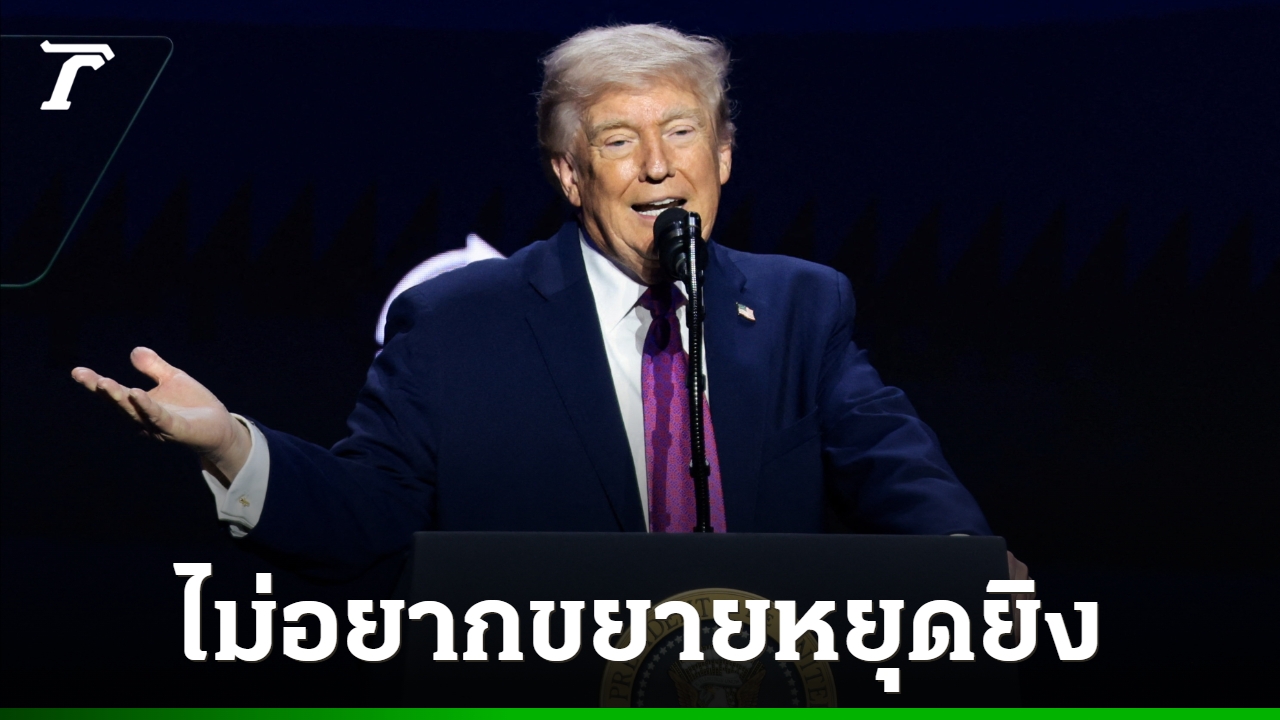
President Donald Trump has stated he does not wish to extend a ceasefire with Iran, citing limited time for negotiations amid escalating tensions over the Strait of Hormuz. His remarks reach as the United States continues military movements in the region, including the deployment of additional ground forces and Marine units, even as Trump has previously claimed the conflict is “nearly over” or “almost completely finished.” These contrasting statements have contributed to an atmosphere of uncertainty surrounding the U.S.-Iran standoff that began following joint U.S.-Israeli operations against Iran three weeks prior.
The situation remains particularly sensitive due to the strategic importance of the Strait of Hormuz, a narrow waterway through which approximately 20% of global oil trade passes. Recent incidents have heightened tensions, including the U.S. Seizure and firing upon an Iranian-flagged merchant vessel, which prompted Iran to vow retaliation and refuse participation in new negotiation rounds. The Strait has long served as a flashpoint in the broader conflict involving the United States, Israel, and Iran, with clashes dating back to late February.
Despite the volatility, Trump has asserted that Iran has agreed to suspend its nuclear program indefinitely, a claim made during a telephone interview with Bloomberg on April 17, 2026. He linked this development to the reopening of the Strait of Hormuz, suggesting that progress toward a potential agreement to end hostilities is becoming more tangible. According to Trump, Iran’s announcement of opening the strait coincided with its willingness to halt nuclear activities without a set timeline, which he described as fostering hope for a diplomatic resolution.
However, Iranian officials have not confirmed a definitive stance on engaging in talks with the United States. Reports indicate that Tehran is still deliberating whether to participate in negotiations, reflecting ongoing hesitation despite Trump’s optimistic framing. The lack of clarity from Iranian leadership underscores the fragile nature of any potential diplomatic breakthrough, especially as military posturing continues on both sides.
Regional actors, including Gulf Arab states, have expressed concern that negotiations could inadvertently legitimize Iranian control over the Strait of Hormuz, warning that any agreement might be perceived as conceding strategic authority to Tehran. These warnings highlight the broader geopolitical implications of the dispute, extending beyond bilateral U.S.-Iran dynamics to encompass regional security and energy market stability.
In response to the heightened risk of disruption, the United Nations has reportedly prepared evacuation plans for hundreds of vessels operating in and around the Strait of Hormuz. The contingency measures are being held in readiness, awaiting signals of de-escalation that would allow for safe maritime passage. The UN’s involvement underscores the international community’s apprehension about the potential for widespread economic and supply chain impacts should the waterway be closed or subjected to further interference.
As of April 21, 2026, no formal ceasefire extension has been announced, and the U.S. Administration maintains that time constraints prevent prolonged diplomatic engagement. The convergence of military activity, conflicting public statements, and unresolved diplomatic questions continues to define a fluid and unpredictable situation in one of the world’s most critical maritime corridors.