Apple’s leadership transition is unfolding at a pivotal moment for the company, with hardware veteran John Ternus set to succeed Tim Cook as CEO in September 2026. The change comes as Apple faces mounting pressure to close a growing gap in artificial intelligence capabilities, particularly in generative AI and voice assistant technology, where competitors have made significant strides over the past year.
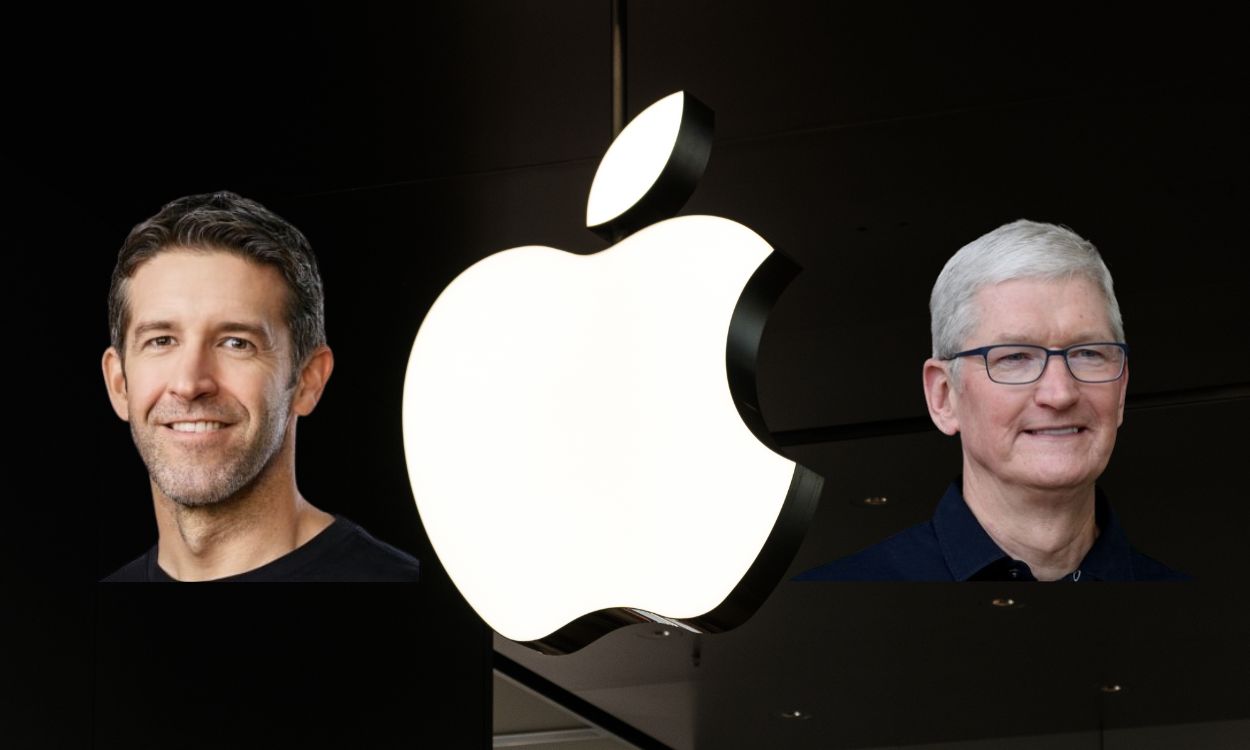
Ternus, who has spent 25 years at Apple and most recently served as Senior Vice President of Hardware Engineering, will take over from Cook, who will move to the role of executive chairman. The announcement, made in April 2026, highlighted Ternus’ extensive background in hardware development, including leadership on iPad, iPhone and AirPods product lines, but did not reference any specific AI experience or initiatives.
This shift in leadership has been framed by industry analysts as a bet on restoring the kind of decisive, product-focused decision-making associated with Apple’s co-founder Steve Jobs. Yet, the timing raises questions, as Apple enters this transition although lagging behind rivals in AI integration across its ecosystem.
Apple’s AI Challenges Come Into Focus
Apple’s struggles with AI have been evident in recent product cycles. The company’s Siri voice assistant, once a pioneer in consumer-facing AI, has undergone multiple delays in its planned overhaul. Reports indicate that efforts to modernize Siri with generative AI capabilities have been postponed three times since 2024, leaving the assistant lacking features now standard in competing systems.
Beyond Siri, Apple’s broader AI model development has trailed year-old competitors in areas such as natural language processing and on-device machine learning. While the company has emphasized privacy-centric AI approaches, critics argue that this has come at the cost of innovation speed, particularly as rivals deploy cloud-powered generative features at scale.
According to The Verge, Ternus will be tasked with regaining lost ground on Apple’s AI advancements, a challenge made more urgent by the absence of AI-related mentions in his official CEO succession announcement. The report notes that less than a year ago, Apple drew attention for minimal AI announcements at its annual WWDC event, underscoring the perception of a strategic gap.
Hardware Expertise Meets Software Demands
Ternus’ background is deeply rooted in hardware engineering, a fact consistently highlighted across verified sources. The New York Post described him as a “hardware whiz” taking over at a critical time, noting his role in overseeing recent product launches including the MacBook Neo and durability-focused updates across Apple’s lineup. His experience includes leading hardware engineering for every iPad model and the most recent iPhone families.
This hardware-centric profile marks a notable shift from Cook’s tenure, which emphasized services growth and software ecosystem expansion. Analysts suggest that Ternus may seek to rebalance Apple’s focus toward tighter integration between hardware and software, potentially accelerating product cycles through centralized decision-making.
Wedbush analyst Dan Ives told the New York Post that innovation will be central to Apple’s success under Ternus, citing foldable phones, AI-enabled smartphones, and next-generation Apple Glasses as potential growth drivers. Ives added that while supply chain and political navigation remain crucial, “it comes down to innovation and this will define the future of Apple and Ternus.”
Inheriting a Complex Product Roadmap
As CEO, Ternus will inherit a product roadmap that includes several high-profile initiatives. These encompass a long-rumored foldable iPhone, development of AI-enabled smart glasses (potentially evolving from the Vision Pro platform), and a HomePad device aimed at redefining home-based computing and entertainment.
The Vision Pro headset, launched in early 2024 to considerable fanfare, has yet to achieve broad consumer adoption, presenting both a challenge and an opportunity for the new CEO to refine Apple’s spatial computing strategy. Meanwhile, Apple’s streaming business, built during Cook’s final years as CEO, will too fall under Ternus’ purview, alongside ongoing regulatory pressures in the European Union and antitrust scrutiny in the United States.
The Department of Justice’s antitrust lawsuit targeting Apple’s alleged smartphone monopoly remains pending, adding legal complexity to the transition. Internationally, Apple continues to navigate regulatory minefields in the EU, where the company has faced repeated fines and compliance demands under digital market regulations.
Leadership Continuity and External Pressures
To ease the transition, Tim Cook will remain involved in an executive chairman capacity, with a focus on global policy engagement. Apple stated that Cook’s new role will involve “engaging with policymakers around the world,” potentially helping Ternus navigate the complex international landscape affecting tech giants.
Politically, Apple’s relationship with the Trump administration has been described as tenuous, introducing additional uncertainty in areas such as trade policy, semiconductor incentives, and tech regulation. These external factors will require careful management alongside internal efforts to accelerate AI development.
Despite these challenges, Ternus’ deep institutional knowledge—spanning over two decades at Apple—may provide stability during the shift. His promotion from within the hardware division signals continuity in product execution, even as the company seeks to address perceived shortcomings in software innovation.
What This Means for Apple’s Future
The success of Ternus’ leadership will likely be measured by Apple’s ability to close its AI gap while maintaining the hardware excellence that has defined its product identity. Observers will watch closely for signs of accelerated AI integration in upcoming operating system updates, hardware launches, and developer tools.
Key milestones to monitor include Apple’s next Worldwide Developers Conference (WWDC), typically held in June, where the company traditionally unveils software advancements and provides insight into its AI roadmap. Any updates on the Siri overhaul or generative AI features across iOS, macOS, and watchOS will serve as early indicators of Ternus’ impact.
For now, the technology industry views the Apple CEO transition as a critical test of whether a hardware-focused leader can drive the software and AI innovation needed to compete in the next era of computing.
If you have thoughts on Apple’s leadership change or its AI strategy, we encourage you to share them in the comments below. Feel free to share this article with others interested in technology leadership and innovation.
Keep reading