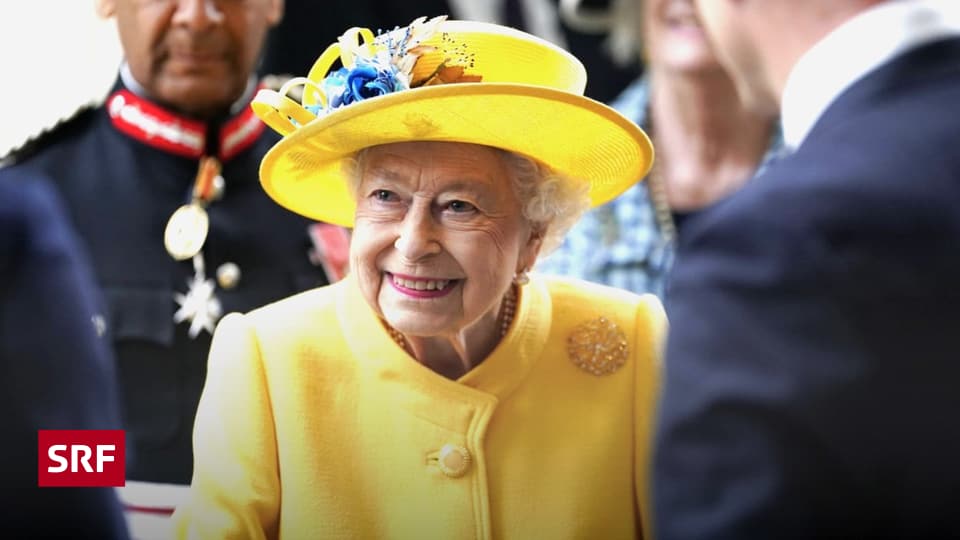
On April 21, 2026, the world marked what would have been the 100th birthday of Queen Elizabeth II, with tributes ranging from official ceremonies to personal reflections by members of the royal family. The late monarch, who reigned for 70 years until her passing in September 2022, continues to be remembered for her steadfast dedication to duty and her enduring presence in global consciousness. Among the most poignant commemorations was the opening of a new memorial garden in London’s Regent’s Park, personally inaugurated by her daughter, Princess Anne.
The Princess Royal, now 75, carried out a solo engagement to unveil The Queen Elizabeth II Garden, a space designed to honor her mother’s legacy through landscape and symbolism. Dressed in a burnt-orange coat, red scarf, and black accessories, Princess Anne walked among the blooming flowers before delivering a speech that reflected on the evolving role of gardens in British life, particularly during and after wartime. Her remarks highlighted how green spaces once used for growing food during national crises later transformed into places of leisure and reflection—a sentiment she connected directly to her mother’s lifetime of service.
As a personal tribute, the garden’s designers included a bronze corgi statue, acknowledging the Queen’s lifelong affection for the breed. This detail was echoed in widely shared photographs showing Princess Anne alongside her mother in earlier years, including a 1969 visit to Vienna and a 2004 public appearance, underscoring the enduring bond between monarch and her beloved pets. The garden’s opening was one of several events held across the United Kingdom on the centenary, each reflecting different facets of the Queen’s public and private life.
Earlier in the day, King Charles III and Queen Camilla visited a major exhibition at the King’s Gallery in London, titled “Queen Elizabeth II: Her Life in Style,” described as the largest-ever display of the late monarch’s fashion. The exhibit traced her evolving wardrobe from wartime austerity to the vibrant, carefully coordinated ensembles that became a hallmark of her public image. Later, the King hosted a birthday celebration at Buckingham Palace for members of the public who also turned 100 on April 21, 2026, continuing a tradition of honoring centenarians during his reign.
Across social media, members of the royal family shared personal messages. The Prince and Princess of Wales posted on Instagram, describing the Queen as someone who “lived inspiring generations through a lifetime of duty.” Prince Harry and Meghan, the Duke and Duchess of Sussex, did not issue public statements, according to verified reports of the day’s events. The Princess Royal’s solo engagement stood out as a particularly intimate moment, emphasizing her role as a keeper of personal memories within the wider institution of monarchy.
Historically, Queen Elizabeth II’s influence extended far beyond ceremonial duties. Ascending the throne in 1952 at the age of 25, she became a symbol of stability through decades of political, social, and technological change. Her reign saw the transformation of the British Empire into the Commonwealth of Nations, a voluntary association of 56 independent countries, many of which retained her as head of state until her death. She worked with 15 British prime ministers, from Winston Churchill to Liz Truss, and met with numerous world leaders, maintaining a reputation for discretion and diplomatic grace.
Her commitment to public service was evident in the sheer volume of her engagements. Official records indicate she undertook over 21,000 engagements during her reign, presided over the opening of Parliament 64 times, and gave royal assent to more than 4,000 pieces of legislation. She was also the first British monarch to send an email (in 1976) and to have a message sent via the Moon (as part of the Apollo 11 mission in 1969), reflecting her willingness to embrace technological change while preserving tradition.
Despite her global fame, the Queen maintained a notably private personal life. Known for her love of horses, she bred and raced thoroughbreds for decades, achieving success as both an owner and breeder. Her passion for equine sports was well documented, including her regular attendance at the Epsom Derby and Royal Ascot. She was also deeply devoted to her corgis, owning more than 30 during her lifetime, with the last two descending from Susan, a pup gifted to her on her 18th birthday in 1944.
The Queen’s fashion choices, often dismissed as trivial, were in fact a deliberate form of non-verbal communication. Her use of color—particularly bright hues in otherwise somber settings—was designed to ensure she stood out in crowds, fulfilling her belief that “you have to be seen to be believed.” This philosophy, explored in the King’s Gallery exhibition, underscored her awareness of the monarch’s unique role as a visible national symbol. Her hats, often crafted by milliners like Philip Somerville and later Rachel Trevor-Morgan, became iconic in their own right, blending formality with subtle personal expression.
In the years following her death, reassessments of her legacy have continued. While widely admired for her sense of duty, some historians and commentators have questioned the monarchy’s relevance in modern society, particularly in light of debates about colonialism, cost, and public accountability. Yet even critics often acknowledge the personal discipline and consistency she brought to her role, qualities that helped sustain the institution through periods of profound change.
The centenary reflections in 2026 served not only as a look back but also as a moment to consider how her example might inform the future of the monarchy under King Charles III. His reign has already seen efforts to streamline the royal household, reduce public spending, and emphasize environmental causes—areas where the late Queen also showed quiet but consistent interest, particularly in her later years through patronage of conservation organizations and her personal management of the Sandringham and Balmoral estates.
As of now, We find no upcoming official announcements specifically tied to further commemorations of Queen Elizabeth II’s life or legacy. The King’s Gallery exhibition remains open to the public, and the Queen Elizabeth II Garden in Regent’s Park is accessible year-round, offering a permanent space for reflection. Visitors can find updated information on opening times and special events through the official websites of the Royal Collection Trust and The Royal Parks.
To share your thoughts on how Queen Elizabeth II’s legacy continues to influence public life or the monarchy today, join the conversation in the comments below. If you found this reflection informative, consider sharing it with others who appreciate historical perspective and thoughtful remembrance.
Keep reading