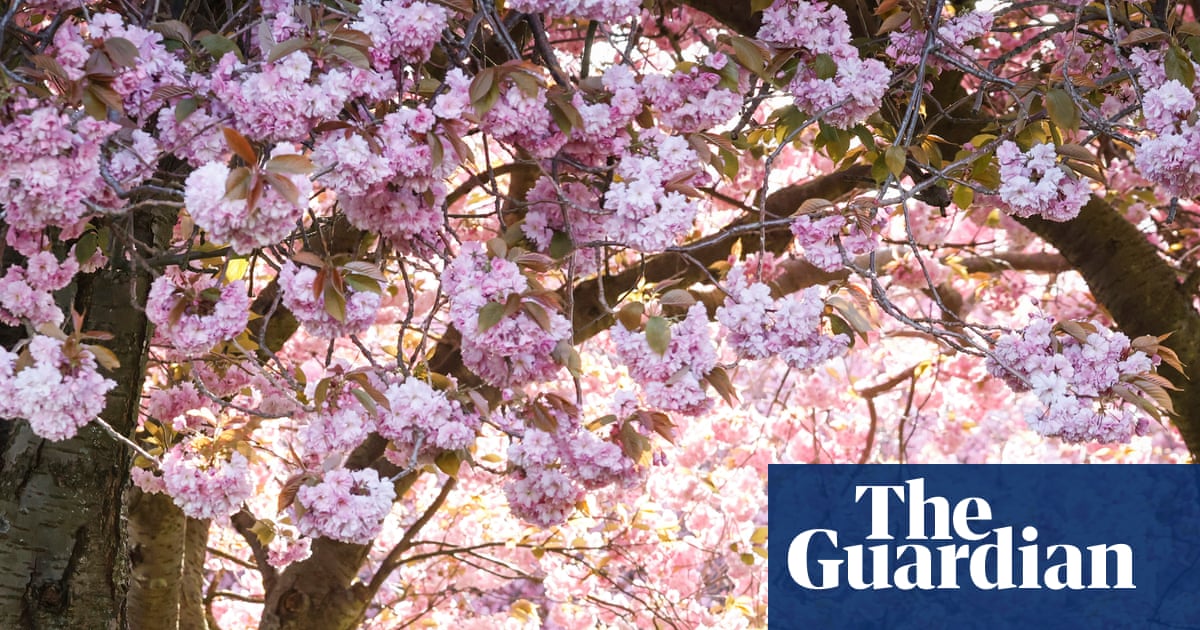
Climate breakdown has extended the pollen season in the UK and mainland Europe by between one and two weeks since the 1990s, according to a major review of climate-health impacts published in The Lancet. This lengthening of the pollen season is adding to the burden of hay fever and other allergies for tens of millions of people across the region, with symptoms ranging from itchy eyes and runny noses to more severe respiratory distress.
The finding comes from the 2026 Europe report of the Lancet Countdown on health and climate change, a collaboration of 65 experts from research institutions and United Nations organisations. Researchers analysed data from 1991-2000 and compared it to 2015-2024, finding that the pollen seasons for birch, alder and olive trees now begin between one and two weeks earlier than they did three decades ago.
Warmer weather and higher concentrations of carbon dioxide allow plants to produce more pollen, increasing exposure for people with allergies. The study notes that whereas this development may seem less dramatic than floods or wildfires associated with climate change, it represents a “huge” increase in the combined suffering of a large portion of the population.
The Lancet Countdown report also found that heat-related deaths have risen across almost all of Europe, with around 99.6 per cent of monitored regions seeing an increase between 2015 and 2024 compared to 1991-2000. On average, there are 52 extra heat-related deaths per million people each year.
Extreme heat warnings have increased by 318 per cent over the same period and the hours each year when outdoor physical activity carries a risk of heat illness have grown by 88 per cent compared to the 1990s. Heat exposure among infants and people over 65 has risen by 254 per cent in terms of person-days.
Across the workforce, heat is estimated to be cutting labour supply by around 24 hours per worker per year compared to historical baselines, with outdoor workers in construction and agriculture being most affected. The potential for dengue transmission in Europe has also increased by 297 per cent since 1981-2010, contributing to a rise in local outbreaks of the mosquito-borne virus.
The tiger mosquito, which carries dengue, has been expanding its range northward as European summers grow warmer. Researchers warn that the health burden of these climate-related changes falls unevenly across income groups, with low-income households facing disproportionate impacts.
The study’s lead researchers, including Joacim Rocklöv, an environmental epidemiologist at the University of Heidelberg and co-director of the report, emphasize that these everyday indicators display how climate change is worsening quality of life for large numbers of people. “It’s one of those everyday indicators that show something is getting a little worse for a lot of people,” Rocklöv said.
The seasonal severity of birch pollen has increased by 14-20% since 2024, according to the review. This intensification, combined with the earlier start and longer duration of pollen seasons, means that allergy sufferers are facing greater exposure over extended periods.
Health authorities across Europe are being urged to consider these changing patterns when advising patients and planning public health interventions. Allergy medications and preventative measures may need to be adjusted to account for the extended exposure windows.
The Lancet Countdown team plans to continue monitoring these trends through their annual reports, with the next edition expected to be released in late 2026. These reports provide vital data for policymakers and health professionals working to adapt to the evolving health impacts of climate change.
For individuals managing hay fever or other allergies, experts recommend consulting with healthcare providers about adjusting treatment plans in response to longer pollen seasons. Monitoring local pollen forecasts and taking preventative measures during peak periods can help reduce symptoms.
As climate breakdown continues to alter natural cycles across Europe, the extension of the pollen season serves as a tangible example of how global heating affects everyday health. The growing body of evidence underscores the need for both mitigation efforts to reduce emissions and adaptation strategies to protect vulnerable populations.
Stay informed about the latest developments in climate and health by following updates from trusted medical journals and public health agencies. Share your experiences with changing allergy seasons to help build a broader understanding of these impacts.
- Moderna Stock Analysis: Balancing Post-Covid Decline Against Future Growth Potential
- How Nature’s Sights and Sounds Boost Mental Health and Reduce Stress
- South Africa Faces R467 Billion Municipal Debt Crisis Amid Rising Xenophobia (time.news)
- Why Nighttime Heat Is Rising Faster Than Daytime Highs in US Cities (daybreakwire.com)