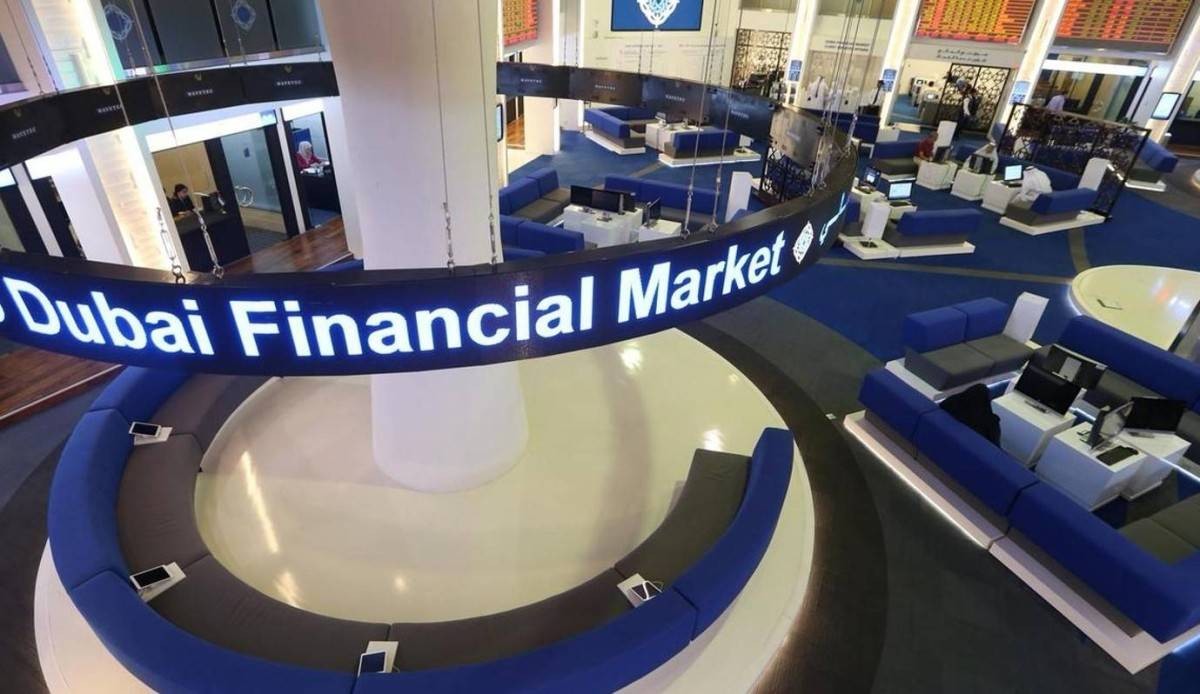
Dubai’s stock market opened higher on Thursday, driven by gains in banking and real estate shares, according to local financial reports. The upward movement came despite ongoing regional tensions and mixed signals from broader Gulf markets, highlighting the resilience of certain sectors within the UAE’s financial landscape. Investors appeared to focus on sector-specific strengths, particularly in lenders and property developers, which helped lift overall sentiment during the early trading session.
The Dubai Financial Market (DFM) showed signs of recovery in the morning hours, with banking stocks leading the advance. Shares of major UAE lenders benefited from expectations of stable credit demand and continued support from central bank policies. Real estate stocks as well contributed to the gains, reflecting investor confidence in the emirate’s property sector, which has shown signs of stabilization after a period of adjustment. These developments were noted in regional financial commentary, though specific index levels were not detailed in the available sources.
Market analysts pointed to a divergence in performance across the UAE’s two main financial hubs, with Dubai showing relative strength while Abu Dhabi’s markets faced more pronounced pressure. This contrast has been attributed to differing sectoral exposures and sensitivity to geopolitical developments, particularly those affecting oil-linked industries and regional trade flows. The variation underscores the importance of localized market dynamics even within a closely integrated economic union.
Despite the positive start in Dubai, concerns persist over the broader impact of regional instability on investor confidence and capital flows. Reports indicate that while certain domestic sectors remain insulated, external factors continue to weigh on market psychology. The situation has prompted increased scrutiny of how geopolitical risks are being priced into asset valuations across the Gulf, particularly in sectors with significant international exposure.
Trading activity remained moderate, with no extraordinary volumes reported in the early session. Observers noted that while some stocks hit daily trading limits—particularly in speculative or low-liquidity names—the overall market depth appeared sufficient to absorb normal flows without significant disruption. This suggests a degree of maturity in Dubai’s equity market infrastructure, even amid periods of heightened volatility.
The performance of banking and real estate stocks reflects their perceived role as anchors of stability in the UAE economy. Banks benefit from strong balance sheets, prudent lending practices, and close alignment with monetary authorities, while real estate firms have seen renewed interest due to improved affordability metrics and steady demand from both end-users and investors. These fundamentals have helped cushion the sectors against broader market headwinds.
Looking ahead, market participants are monitoring several key factors that could influence the direction of trading in the coming days. These include any escalation or de-escalation in regional tensions, updates on oil production policies from OPEC+, and the timing of upcoming corporate earnings releases from major UAE-listed companies. Any shifts in monetary policy stance by the U.S. Federal Reserve or regional central banks will be closely watched for their potential impact on liquidity and valuation multiples.
While no major regulatory announcements were issued during the morning session, authorities in the UAE have previously emphasized their commitment to maintaining market stability through vigilant oversight and clear communication. The Securities and Commodities Authority (SCA) continues to monitor trading patterns and has mechanisms in place to address excessive volatility or disorderly conditions, though no such interventions were reported in the early hours of trading.
For investors navigating the current environment, experts recommend maintaining a diversified approach and focusing on long-term fundamentals rather than short-term fluctuations. The ability of Dubai’s market to attract international capital has historically relied on perceptions of transparency, regulatory consistency, and economic openness—factors that remain central to its appeal despite periodic challenges.
As the trading session progresses, attention will remain on whether the early gains in banking and real estate can be sustained or if broader market pressures will reassert themselves. The interplay between sector-specific resilience and macro-level uncertainties will likely define the tone of UAE equity markets in the near term, with Dubai’s performance serving as a key barometer of investor sentiment in the region.
Market updates are expected throughout the day, with closing figures and commentary likely to provide further insight into the durability of the morning’s advance. Investors seeking official data can refer to the Dubai Financial Market’s official website and regulatory disclosures from listed companies for verified information.
Stay informed and share your perspective on how regional developments are shaping investment decisions in the Gulf.
Keep reading
- Europe & World News Today: Latest Breaking Stories – August 5, 2026
- Gold Prices Soar Past $4,200 Amid Middle East Tensions and US Rate Cut Hopes
- Vivo S2 Enters the Mid-Range Market with Powerful Specs and Massive Battery (world-today-news.com)
- U.S. stock futures rise after record Wall St close; SpaceX, AMD dip post earnings (archyde.com)