
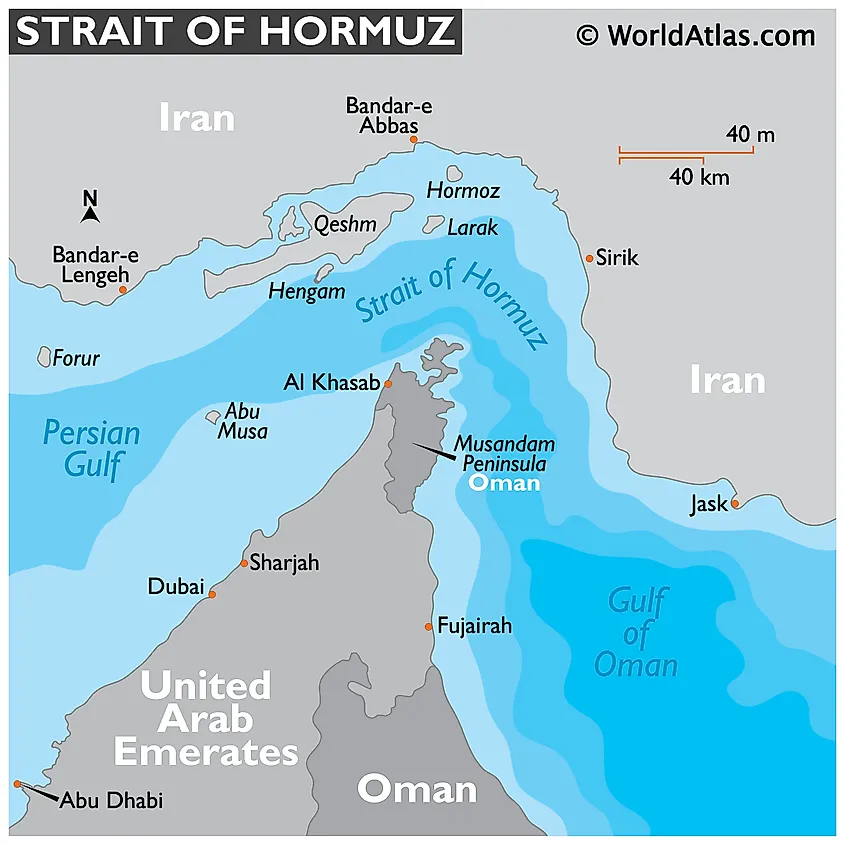
Tensions in the Strait of Hormuz have escalated sharply as reports emerge of attacks on commercial vessels in one of the world’s most critical maritime chokepoints, triggering renewed volatility in global oil markets. The Strait, through which approximately 20% of the world’s oil supply passes daily, has become a focal point of geopolitical strain between Iran and the United States, with both sides issuing stark warnings over control and access. Recent incidents involving targeted strikes on ships have raised alarms about the security of international shipping lanes and the potential for broader regional conflict.
According to multiple verified reports, Iranian authorities have asserted “strict control” over the Strait of Hormuz, declaring that it will not be fully reopened to unrestricted shipping. This stance comes amid heightened rhetoric from Washington, where former President Donald Trump has repeatedly threatened to impose a naval blockade on the waterway if diplomatic efforts with Tehran fail. Trump’s recent statements, including warnings to escalate pressure on Iranian infrastructure, have intensified fears of a direct confrontation that could disrupt energy supplies worldwide.
The situation has drawn close international scrutiny, particularly as diplomatic channels remain strained. Whereas some reports suggest backchannel discussions may be ongoing—possibly facilitated through intermediaries such as Pakistan—no formal negotiations have been confirmed, and both Washington and Tehran have avoided committing to concrete timelines for dialogue. Analysts warn that miscalculation or accidental escalation in the narrow waters of the Strait could rapidly spiral into a wider confrontation, given the high concentration of military assets from multiple nations operating in the vicinity.
Oil markets reacted swiftly to the developments, with benchmark crude prices jumping in response to fears of supply disruption. Brent crude and West Texas Intermediate (WTI) both saw intraday spikes, reflecting trader anxiety over the potential for prolonged instability in the Gulf region. Energy analysts note that even the perception of risk in the Strait of Hormuz tends to trigger disproportionate market reactions due to the volume of oil transported through the route—approximately 17 million barrels per day according to recent industry estimates.
Maritime security agencies have issued advisories to commercial vessels transiting the area, urging heightened vigilance and adherence to recommended transit corridors. International naval forces, including those from the United States, United Kingdom, and regional allies, maintain a visible presence in and around the Strait, though rules of engagement remain defensive in nature. Any further attacks on civilian shipping could prompt a significant shift in how these forces operate, potentially leading to more assertive patrols or escort missions.
Diplomatic Efforts Amid Rising Tensions
Despite the belligerent tone from both capitals, there have been intermittent signals suggesting openness to dialogue, though no substantive progress has been verified. Reports indicate that indirect communications may have occurred through third-party channels, but neither the U.S. State Department nor Iranian foreign officials have confirmed the existence of active negotiations. Trump himself has stated that he has not set a “fixed date” for receiving a formal proposal from Iran, underscoring the fluid and uncertain nature of any potential diplomatic outreach.
Pakistan has been mentioned in some reports as a possible venue for facilitating talks, given its historical role in mediating between Washington and Tehran. However, officials in Islamabad have neither confirmed nor denied hosting such discussions, maintaining a cautious public stance amid the sensitivity of the issue. The lack of transparency around backchannel efforts complicates assessments of whether de-escalation is genuinely possible or merely speculative.
International observers, including the United Nations and the International Maritime Organization, have urged restraint and called for the protection of freedom of navigation in accordance with international law. The Strait of Hormuz is governed by the United Nations Convention on the Law of the Sea (UNCLOS), which guarantees the right of transit passage for all vessels—a principle that both Iran and the U.S. Claim to uphold, even as their actions appear to contradict it in practice.
Market Impact and Energy Security Concerns
The volatility in oil prices following the Strait of Hormuz incidents underscores the region’s outsized influence on global energy markets. Analysts at major financial institutions have warned that any prolonged disruption could push Brent crude toward or beyond $100 per barrel, particularly if combined with other supply constraints or OPEC+ production decisions. Such a scenario would have ripple effects across industries dependent on petroleum, from transportation to manufacturing, and could exacerbate inflationary pressures in importing nations.
Countries heavily reliant on Gulf oil exports—including India, China, Japan, and South Korea—have expressed concern over the situation, though none have publicly altered their energy procurement strategies as of yet. Strategic petroleum reserves in several nations remain at levels designed to buffer short-term shocks, but analysts caution that extended disruptions would test the limits of these safeguards.
In response to the uncertainty, some shipping companies have reportedly begun reassessing route options, including increased reliance on alternative paths such as the Cape of Solid Hope, despite the significant added cost and transit time. Insurance premiums for vessels transiting the Gulf have also risen, reflecting the heightened risk perception among underwriters.
Regional Implications and Risk of Miscalculation
Beyond the immediate maritime and energy concerns, the situation in the Strait of Hormuz raises broader questions about stability in the Middle East. Iran’s allies and proxies across the region have shown solidarity with Tehran’s position, while U.S. Partners such as Israel and Gulf Arab states have echoed American calls for freedom of navigation. The potential for the Strait to become a flashpoint in a larger confrontation—whether intentional or accidental—remains a serious concern for policymakers.

Military analysts note that the confined geography of the Strait increases the risk of incidents escalating quickly, given the close proximity of naval vessels, aircraft, and missile systems. A single misinterpreted maneuver or communication failure could trigger a defensive response with cascading consequences. As such, confidence-building measures—such as hotlines between naval commands or standardized signaling protocols—have been suggested by experts, though none have been implemented amid the current climate of distrust.
For now, the international community watches closely, awaiting any sign of de-escalation or, conversely, further provocation. The next key developments will likely come from either diplomatic channels—should they produce verifiable progress—or from the waterway itself, where the behavior of commercial and military vessels will continue to signal the trajectory of this tense standoff.
Stay informed about developments in the Strait of Hormuz and their global implications. Share your thoughts in the comments below and help foster a informed discussion on this critical issue.
Related reading