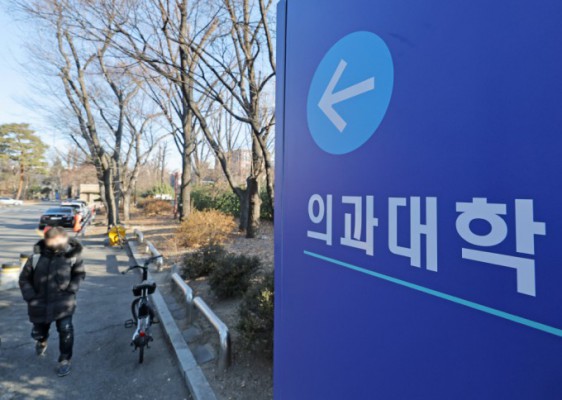
The Korean Medical Association (KMA) has announced plans to hold a joint seminar with members of the National Assembly’s Health and Welfare Committee to discuss solutions for regional healthcare disparities and the implementation of the so-called “regional doctor system.” The event, titled “The Answer Lies in the Field: Regional Healthcare Crisis and the Regional Doctor System,” is scheduled for April 28, 2026, at the National Assembly Members’ Conference Room 1. This marks a significant step in ongoing dialogue between medical professionals and legislators regarding a policy that would require medical graduates to serve in non-metropolitan areas for a decade following graduation.
The seminar comes as South Korea prepares to implement the regional doctor system starting with the 2027 medical school admissions cycle. Under the proposed framework, students admitted through regional quotas at medical schools outside Seoul would be required to practice in designated underserved areas for 10 years after obtaining their medical licenses. Government officials have positioned the initiative as a core strategy to address long-standing imbalances in medical resource distribution between urban centers and rural provinces.
Medical association leaders have expressed both support for improving regional healthcare access and concerns about the policy’s broader implications. KMA President Kim Taek-woo emphasized that although the association recognizes the urgency of addressing medical deserts, the regional doctor system raises complex questions about professional autonomy, intergovernmental responsibilities, and equitable regional development. He stated that pre-implementation dialogue between policymakers and frontline healthcare providers is essential to minimize uncertainties during execution.
The joint forum will feature presentations from medical policy researchers and academic experts followed by a panel discussion. Kim Gye-hyeon, a research committee member at the KMA’s Medical Policy Research Institute, and Sang-hyeon Joo, vice president of the Korean Policy Society’s regional division, are set to deliver keynote addresses on policy directions for sustaining the regional doctor system. The panel will be moderated by Professor Ju-hyo Jin from Catholic Kwandong University and include participants such as Dae-yeon Kim, director of Taebaek Hospital; Woo-byeon Woo, policy director of the Korean Association of Public Health Physicians; and Young-sik Bang, head of the Medical Personnel Policy Division at the Ministry of Health and Welfare.
Organizers say the seminar aims to diagnose structural challenges in essential and public healthcare while identifying actionable steps to reduce geographic disparities in medical service availability. Prior to the event, the Ministry of Health and Welfare had completed an administrative notice period for the “Act on the Fostering and Support of Regional Doctors,” which outlines the legal basis for the 2027 rollout. The legislation specifies that regional medical school admissions will begin excluding Seoul-based institutions, with selected students bound by service obligations upon graduation.
Critics of the approach have argued that mandatory service requirements may infringe on career choice freedoms and create ambiguity in the division of duties between national and local governments. Supporters counter that without such measures, market forces alone will continue to concentrate medical talent in capital-region hospitals, leaving peripheral communities chronically underserved. The KMA has maintained that while it supports efforts to strengthen regional healthcare, any solution must be developed through inclusive, evidence-based deliberation rather than top-down mandates.
The upcoming seminar reflects a broader trend in South Korean health policy toward collaborative governance models that bring together clinical experts, academics, lawmakers, and administrators. Similar consultative approaches have been used in recent years to address issues such as nursing workforce shortages, telemedicine regulation, and pandemic preparedness. By convening stakeholders ahead of legislative implementation, organizers hope to identify potential implementation barriers and refine policy design based on real-world clinical insights.
As of April 23, 2026, no official changes to the regional doctor system timeline or eligibility criteria have been announced beyond what was disclosed in the administrative notice phase. The Ministry of Health and Welfare continues to review feedback from professional associations and local governments ahead of the expected 2027 launch. Medical students currently enrolled in preclinical programs are among those most directly affected by the impending policy shift, though formal guidance for prospective applicants remains pending final legislative approval.
The KMA has committed to publishing a summary of the seminar’s proceedings and recommendations following the April 28 event. Interested parties are encouraged to monitor the association’s official website and the National Assembly’s Health and Welfare Committee updates for official records, presentation materials, and any subsequent policy advisories related to regional healthcare reform.
Stay informed about developments in South Korea’s healthcare policy by following trusted medical news sources and official government channels. Share this article to help others understand the ongoing efforts to balance equitable healthcare access with professional rights in medical workforce planning.
Related reading
- Berkshire Health Systems Hospitals Earn Top CMS Star Ratings for Quality and Patient Care
- Fruit, Breakfast, and Frozen Vegetables: The Truth About Our Eating Habits
- Korean Youth Delays 500M Won Lottery Claim to Pass Public Housing Asset Screening (archynewsy.com)
- Ultra-Processed Foods: Legal Battles, Health Risks, and Regulatory Challenges (newsdirectory3.com)