
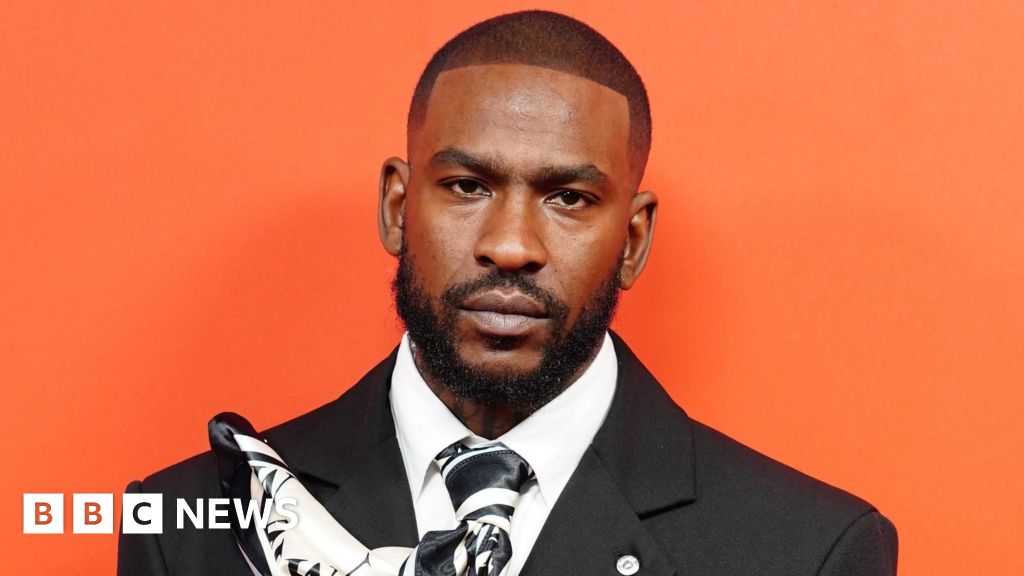
Grime artist Skepta has been cleared of a drug-driving charge after a court heard expert testimony questioning the accuracy of a roadside saliva test. The case, which drew attention due to the artist’s prominence in the UK music scene, concluded with the dismissal of charges following concerns raised about the reliability of the forensic evidence presented by prosecutors.
According to verified court proceedings, the decision hinged on expert analysis that cast doubt on whether the saliva sample collected during a traffic stop could definitively indicate recent drug use. The presiding judge determined that without conclusive scientific validation of the test result under the specific circumstances, the prosecution could not meet the burden of proof required for a conviction.
The incident occurred in London in early 2024, when Skepta — whose real name is Joseph Junior Adenuga — was stopped by police even as driving in the borough of Camden. Officers administered a roadside drug screening device, which initially returned a positive result for cannabis. However, subsequent laboratory analysis and expert review revealed inconsistencies in the testing process that undermined confidence in the outcome.
Under Section 4 of the Road Traffic Act 1988, It’s an offence to drive while unfit through drugs and police rely on approved screening devices to establish reasonable suspicion. However, as highlighted in expert testimony during the hearing, these devices are subject to variables such as oral contamination, recent food or drink consumption, and individual metabolic differences that can affect accuracy — factors the court found insufficiently addressed in this case.
The defence called upon a forensic toxicologist who explained that while the screening test indicated the presence of cannabinoids, it could not distinguish between recent impairment and residual traces from use days prior. This limitation, the expert noted, meant the result alone could not establish that Skepta was unfit to drive at the time of the stop — a key requirement for conviction under UK drug-driving law.
Prosecutors had argued that the positive screen, combined with observed behaviour, warranted prosecution. But the judge ruled that without corroborating evidence of impairment — such as poor driving, physical coordination tests, or a confirmed blood sample showing active THC levels — the case failed to meet the evidentiary threshold. The Crown Prosecution Service subsequently confirmed it would not pursue the matter further.
Skepta’s legal representative welcomed the outcome, stating that the artist had cooperated fully with authorities throughout the process and maintained his innocence. No further legal action is expected, and the case is now considered closed.
This outcome adds to ongoing discussions about the reliability of roadside drug testing in the UK, particularly as police forces expand their use of such devices under the Police, Crime, Sentencing and Courts Act 2022. Critics argue that while the technology enables broader enforcement, its limitations must be acknowledged in court to prevent wrongful prosecutions.
For artists and public figures, the case underscores the intersection of personal conduct, public scrutiny, and legal accountability — especially in genres like grime, where artists often navigate complex relationships with law enforcement. Skepta, a Mercury Prize winner and influential figure in British hip-hop, has previously spoken about racial profiling and disparities in policing, lending additional context to public interest in the case.
As of now, there are no announced plans for appeal or further proceedings. The matter concludes with no penalty, no endorsement of guilt, and a judicial determination that the evidence did not support a conviction under the law as applied.
Stay informed about developments in entertainment and justice by following World Today Journal for verified, timely reporting.