
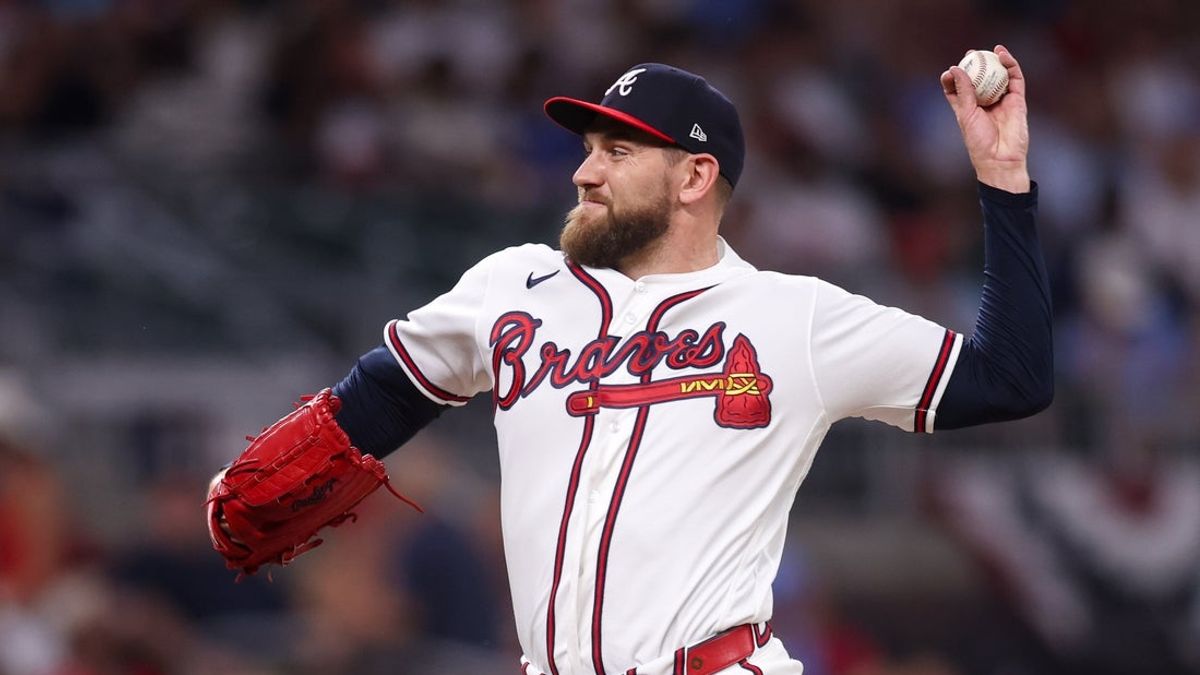
The Atlanta Braves are navigating a period of on-field instability, with recent performance trends shifting focus toward the team’s bullpen as they prepare for a series against the New York Mets. While the relief corps served as a primary strength for much of the 2024 Major League Baseball season, recent outings have highlighted inconsistencies that could prove consequential as the team pushes through the final stretch of the schedule.
According to official Major League Baseball statistics, the Braves’ pitching staff has faced increased pressure due to a combination of injury-depleted starting rotations and high-leverage situations that have not consistently resulted in holds or saves. This volatility arrives at a critical juncture, with the National League East standings remaining highly competitive as Atlanta attempts to secure postseason positioning.
Evaluating the Bullpen Performance Metrics
The bullpen’s effectiveness is often measured by its ability to protect leads in the seventh, eighth, and ninth innings. As reported by ESPN’s team performance tracker, the Braves have seen fluctuations in their collective ERA and WHIP (walks plus hits per inning pitched) over the past several weeks. These metrics are essential for understanding how the relief staff handles high-leverage environments.
In professional baseball, a bullpen’s success is frequently tied to the availability of its high-leverage arms. With several key pitchers managing workload fatigue, manager Brian Snitker has been required to rely on a broader rotation of relievers. Data from Baseball-Reference indicates that the cumulative innings pitched by the bullpen have remained high, a trend that typically correlates with increased susceptibility to opposing hitters as the season progresses into late August and September.
Impact of Injury and Roster Depth
The Braves have contended with significant roster challenges throughout the year, most notably in the starting rotation. When starting pitchers are unable to provide length, the burden on the bullpen increases exponentially. According to official MLB injury reports, the cumulative effect of these absences has forced the team to utilize fringe roster players in roles previously reserved for established veterans.
This reliance on depth is a standard operational procedure for MLB clubs, yet it creates a specific challenge for Atlanta. The transition from a “solid” unit to one experiencing “leaky” results, as noted in recent game analysis, often points to a lack of command or an inability to induce strikeouts in critical counts. Analysts at FanGraphs suggest that while the underlying stuff—velocity and spin rate—remains largely stable, the location of pitches has been a primary contributor to recent runs allowed.
Strategic Outlook for the Mets Series
The upcoming series against the New York Mets represents a significant test for the Braves’ pitching staff. Historically, series between these two National League rivals are decided by narrow margins, making every relief appearance vital. According to the official MLB schedule, the series is slated to take place at Truist Park, a venue where the home team traditionally relies on its bullpen to preserve late-inning leads.

To reverse recent trends, the coaching staff will likely focus on optimizing rest cycles for key relievers. The strategy involves identifying matchups where specific pitchers excel, rather than defaulting to a standard hierarchy of roles. As the team prepares for the series, the primary objective remains stabilizing the middle innings to prevent high-scoring frames that have plagued the team during its recent stretch of losses.
What Happens Next
The Braves’ ability to recover depends on the performance of their core relievers during the upcoming three-game set against New York. Fans can monitor official roster moves and injury updates through the Braves official transactions page. The team is scheduled to announce its starting pitchers and active bullpen roster shortly before the first pitch of the series opener.
As the race for the postseason intensifies, the bullpen’s capacity to revert to its early-season form will be a defining factor in Atlanta’s final standing. Readers are encouraged to share their thoughts on the team’s current pitching strategy and follow our continued coverage as the series progresses.