
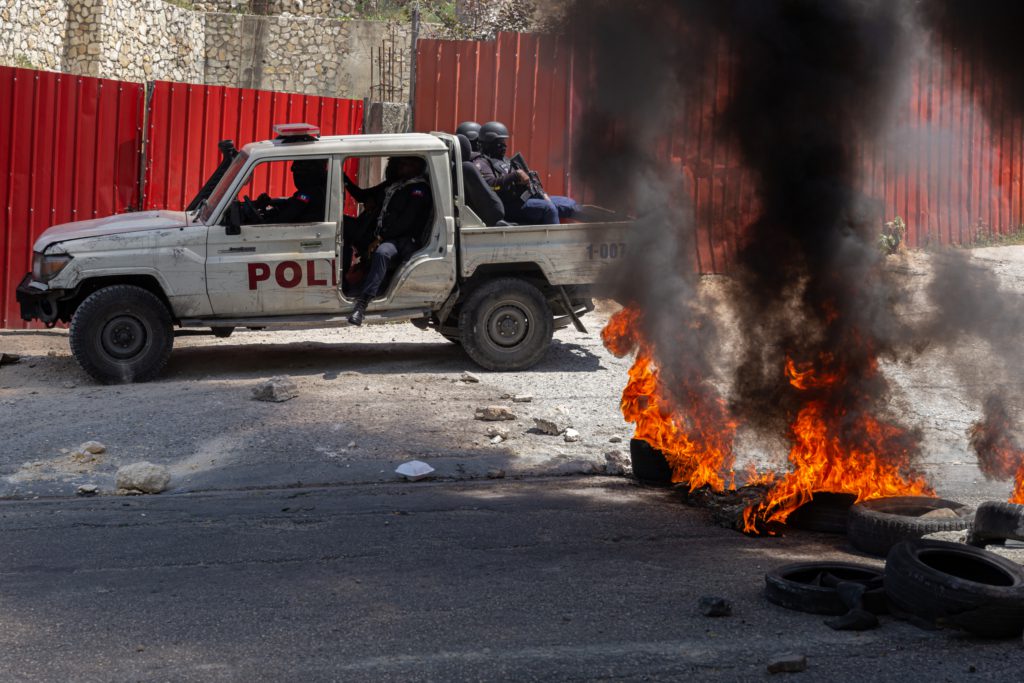
Sri Lankan authorities are preparing to deploy 1,132 military and police personnel to Haiti as part of an international security mission, sparking calls for greater transparency regarding the vetting process. The deployment, which involves members of the Sri Lanka Army and the Police Special Task Force, is intended to support the Gang Suppression Force (GSF) aimed at curbing violence in the Caribbean nation. However, international observers have raised concerns about the history of sexual abuse allegations involving Sri Lankan peacekeepers in Haiti during previous deployments.
The upcoming deployment represents the largest single deployment of Sri Lankan forces for a UN-authorized international force overseas, to date. As the personnel prepare for departure, questions persist regarding how the government and international partners are vetting these officers, particularly in light of documented human rights concerns. According to the OHCHR, the requisite mechanisms to ensure accountability for conflict-related sexual violence are still not in place in Sri Lanka.
Historical Context of Peacekeeping Allegations
The concerns regarding this deployment are rooted in documented incidents from the mid-2000s. Between 2004 and 2007, more than 100 peacekeepers were repatriated back to Sri Lanka following allegations of sexual abuse and exploitation. While these repatriations occurred, publicly available information does not indicate that any Sri Lankan peacekeeper has been criminally prosecuted and convicted in connection with the 2007 Haiti sexual exploitation and abuse scandal.

These past incidents continue to influence the discourse surrounding the current GSF mission. Critics argue that without a transparent and robust vetting process, the risk of repeating historical failures remains high.
The Vetting Process and Accountability Requirements
The central demand from international observers is for absolute transparency regarding the screening of the 1,132 personnel. Specifically, there are calls for the Sri Lankan government, the GSF leadership, the states part of the Standing Group of Partners, and the UN to clarify what safeguarding measures have been implemented to protect vulnerable populations in Haiti. A primary concern is that senior Sri Lankan military officers suspected of war crimes, crimes against humanity and other international crimes must be excluded from participating in any vetting processes.

The 2015 UN investigation on Sri Lanka (the OISL report) found reasonable grounds to believe that rape and sexual violence by security forces personnel was widespread against both males and females during Sri Lanka’s internal armed conflict. Because these findings suggest a pattern of behavior that has not been addressed through domestic legal proceedings, international partners are under pressure to ensure that the individuals selected for the Haiti mission are held to the highest standards of conduct.
Impact on Civilian Populations
For the people of Haiti, who have faced years of escalating gang violence and humanitarian crises, the conduct of international forces is a critical issue. The lack of accountability for sexual exploitation and abuse by foreign forces has historically been described as a major failure of international intervention efforts. When security forces are perceived as a threat rather than a protection, the trust required for a stabilization mission to succeed is irreparably damaged.
Observers emphasize that civilians in the most desperate circumstances are the ones who pay the price for this entrenched impunity. As the Sri Lankan contingent prepares to join the mission, the focus remains on whether the international community has learned from the failures of the 2004–2007 period. The pressure on the UN and the participating states to establish clear, enforceable accountability mechanisms is mounting as the deployment date approaches.
Next Steps for International Oversight
As of now, the deployment of the 1,132 personnel is set to occur imminently. The international community is expected to monitor the arrival and the subsequent conduct of these forces closely. There have been no further official announcements regarding specific changes to the vetting protocols, but the demand for a public explanation of these safeguards remains a point of contention in diplomatic circles at the United Nations.

Further updates regarding the operational status of the mission and any additional vetting disclosures are expected to come through official UN reporting channels and updates from the GSF command. Please share your thoughts in the comments section below as we continue to track this developing story.