
Researchers say Apple’s Hide My Email flaw may expose real addresses, despite two fixes. Independent analysis suggests that the privacy-focused feature—designed to mask personal contact information—remains susceptible to data leakage.
The “Hide My Email” feature generates unique, random email addresses that forward messages to a user’s actual inbox. The intent is to prevent companies from tracking users across websites or building profiles based on their personal email addresses. However, findings indicate that the underlying personal address may be exposed, effectively bypassing the intended privacy protection.
How the Privacy Flaw Functions
The vulnerability centers on how Apple’s mail servers handle outgoing replies from users who are utilizing the “Hide My Email” relay service. According to research, the issue arises when the relay server fails to properly sanitize the metadata attached to a message. If the receiving mail server is configured to inspect incoming headers, it can sometimes extract the “real” destination address that the Apple relay is attempting to obfuscate.
This is not the first time the system has faced scrutiny. Apple has deployed two patches aimed at tightening the relay protocols. However, the nature of email protocols—which rely on legacy standards like SMTP—often makes it difficult to ensure anonymity without breaking the functionality of the email itself. When a user sends a reply through the Apple relay, the system must ensure the recipient can respond back to the masked address, necessitating a complex handoff of routing information that can be exploited if headers are not perfectly stripped.
What Users Should Know About Their Data
For most users, the risk remains relatively contained, but it highlights the limitations of using automated forwarding services for highly sensitive communications. When you use “Hide My Email,” you are relying on Apple’s infrastructure to act as a secure intermediary. If that intermediary inadvertently passes your actual credentials to a third-party server, the privacy benefit of the masked address is nullified.

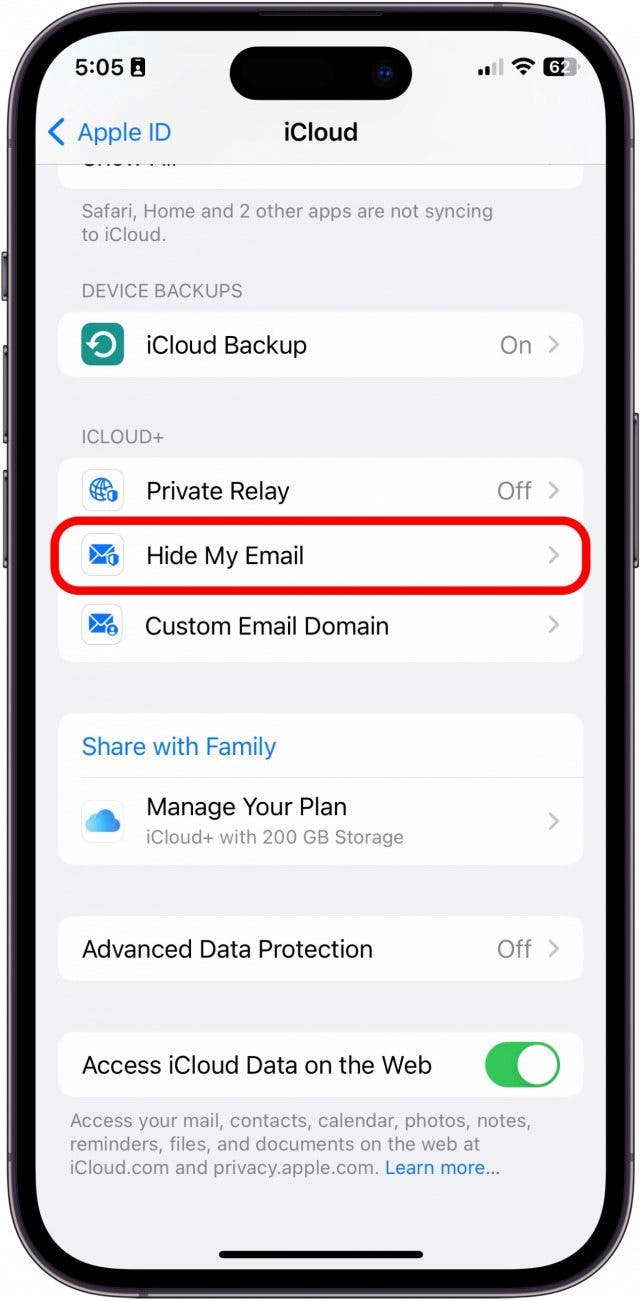
Users who require absolute privacy for sensitive professional or personal correspondence may be better served by using end-to-end encrypted email services rather than standard relay proxies. To manage your current masked addresses, users can navigate to the “iCloud” section within their Apple ID settings on an iPhone, iPad, or Mac, where they can view, deactivate, or delete active forwarding addresses at any time.
Future Updates and Apple’s Response
Apple has historically addressed these reports through silent updates to their iCloud server-side infrastructure rather than public security bulletins. Because these patches occur on the server side, users do not need to update their devices to receive the latest protections; the changes are implemented automatically across all accounts connected to the iCloud ecosystem.
There has been no official statement from the company regarding a permanent architectural fix for the header leakage issue. Industry observers anticipate that Apple will continue to refine its relay protocols to better mask metadata, though the inherent difficulty of maintaining compatibility with global email standards remains a significant challenge.

The situation remains fluid as security researchers continue to monitor how Apple’s servers process incoming and outgoing mail. Users concerned about their privacy should periodically audit the list of active “Hide My Email” addresses in their account settings and delete any that are no longer in use or appear suspicious. If you have questions about your own data privacy settings or have noticed unusual activity with your masked email addresses, consider reviewing the official Apple support documentation regarding Hide My Email for the latest guidance on managing your digital footprint.
We will continue to monitor for any official statements from Apple or further technical disclosures regarding the security of these relay services. If you have experienced an issue where your personal email was exposed through this feature, please share your experience in the comments section below.