
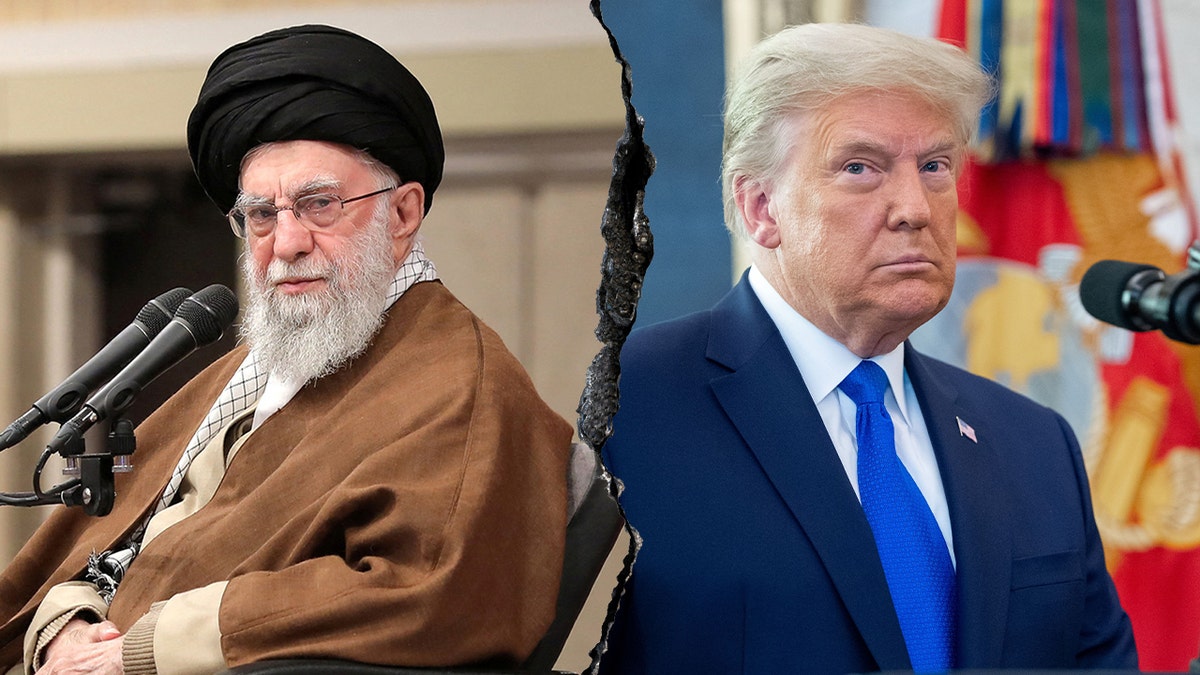
As the conflict between Iran and a U.S.-led coalition continues into its second year, new assessments from the Institute for the Study of War (ISW) highlight evolving dynamics in Tehran’s leadership and military strategy. The ISW’s special report dated April 23, 2026, provides a detailed analysis of recent developments in the war, including Iranian responses to sustained strikes on critical infrastructure and ongoing diplomatic overtures from the United States.
According to the report, Iran rejected a ceasefire proposal from the United States on April 6, 2026, which aimed to pause hostilities and reopen the Strait of Hormuz for commercial shipping. The proposal, presented by Vice President JD Vance during talks in Pakistan, was declined by Iranian officials who insisted that any negotiations must first include the lifting of the U.S. Blockade on Iranian ports. This stance has been consistently reiterated by Iranian leadership in public statements and diplomatic channels since early April.
The ISW assessment notes that despite public claims by U.S. President Donald Trump of fractures within Iran’s ruling establishment, multiple independent analyses suggest a degree of cohesion among Iran’s current leadership. A group of senior officials, representing various factions within the Islamic Republic’s political spectrum, has been managing day-to-day governance and war strategy since the elimination of Iran’s top military and political commanders in late 2025 and early 2026.
Among those now shaping Iran’s response is Mojtaba Khamenei, who succeeded his father, Ayatollah Ali Khamenei, as the country’s supreme leader following the elder Khamenei’s death in early 2026. Though his authority remains contested in some quarters, Mojtaba has overseen coordination between Iran’s Islamic Revolutionary Guard Corps (IRGC), the Artesh (regular military), and allied proxy forces including Hezbollah in Lebanon and the Houthis in Yemen.
ISW reported on April 6 that Iranian-backed forces launched a coordinated barrage targeting southern Israel, involving rockets and drones fired from Lebanon, Yemen, and Iranian territory. While the attack caused limited physical damage, analysts noted the timing suggested an effort to demonstrate operational unity among Iran’s allies despite geographic dispersion. The Israel Defense Forces (IDF) confirmed that same week it had struck Iran’s two largest petrochemical complexes—the South Pars and Assaluyeh facilities—which together account for approximately 85% of the country’s petrochemical export capacity.
Satellite imagery and intelligence assessments cited in the ISW report indicate that the South Pars complex contains infrastructure linked to the production of solid propellants used in ballistic missiles, a claim previously made by U.S. And Israeli officials in 2025. The destruction of these facilities has significantly degraded Iran’s ability to replenish missile stocks, though underground production sites are believed to remain operational.
Domestically, Iran continues to face pressure from hardline factions opposed to any form of concession to the United States. These groups, which include elements of the IRGC and conservative clerics, have rejected calls for compromise and instead advocated for continued resistance until all sanctions are lifted and foreign forces withdraw from the region. Their influence has complicated efforts by more pragmatic officials to explore diplomatic pathways, even as the country grapples with economic strain from prolonged warfare and port blockades.
Internationally, the war has drawn in multiple actors. The United States has maintained a naval presence in the Gulf of Oman and conducted periodic strikes on Iranian radar installations, missile sites, and naval vessels. Israel has carried out aerial operations targeting weapons storage facilities and research centers linked to Iran’s nuclear and missile programs. Despite these pressures, Iran has not halted uranium enrichment activities, which continue at levels exceeding the 3.67% limit set by the 2015 Joint Comprehensive Plan of Action (JCPOA), according to the latest available reports from the International Atomic Energy Agency (IAEA).
Diplomatic backchannels remain active, though progress has stalled. The United States has repeatedly tied any easing of sanctions to verifiable steps by Iran to cease missile development and end support for regional proxies. Iran, in turn, demands the full removal of what it describes as an illegal blockade and an end to targeted assassinations of its scientists and military commanders. Neither side has shown willingness to concede on these core demands as of late April 2026.
The ISW report concludes that while the Iranian leadership operates under immense strain, there is no clear evidence of an imminent collapse or internal schism that would jeopardize state functionality. Instead, the report describes a leadership adapting to unprecedented challenges through centralized decision-making and reliance on loyalist institutions. Future developments will likely depend on battlefield outcomes, the durability of Iran’s allied networks, and whether either party shows flexibility in negotiations.
For ongoing updates on the conflict, readers are encouraged to consult the Institute for the Study of War’s daily briefings and the Critical Threats Project’s social media updates, which provide real-time analysis of military movements and diplomatic shifts. Official statements from the U.S. Department of Defense and Iran’s Ministry of Foreign Affairs are also published regularly through their respective websites.
What do you think about the evolving situation in Iran and the prospects for de-escalation? Share your thoughts in the comments below and help spread informed discussion by sharing this article with others.