
President Donald Trump has called off a planned trip by U.S. Envoys to Pakistan for peace talks with Iran, dealing a significant blow to diplomatic efforts aimed at resolving the ongoing conflict. The decision comes after the Iranian delegation reportedly left Islamabad without engaging in direct negotiations, according to multiple verified reports.
Trump announced the cancellation during a phone interview with Fox News’ White House correspondent Aishah Hasnie, stating that special envoy Steve Witkoff and his son-in-law Jared Kushner would no longer travel to Pakistan for talks. “We have all the cards. They can call us anytime they want, but you’re not going to be making any more 18-hour flights to sit around talking about nothing,” Trump said, as reported by USA TODAY.
The White House confirmed the president’s remarks, noting that Trump had instructed his team not to make the lengthy journey after learning the Iranian delegation had already departed. A spokesperson for Iran’s Foreign Minister Abbas Araghchi indicated earlier that the Islamic Republic would communicate its position through Pakistani mediators rather than in direct talks with U.S. Officials.
According to NBC News, Trump said the U.S. Had received a deal offer from Iran that “should have been better,” which contributed to his decision to cancel the trip. The network reported that Witkoff and Kushner were expected to lead the American delegation in Pakistan on Saturday, April 25, 2026, for what was described as another round of Pakistani-brokered talks to end the nearly two-month conflict.
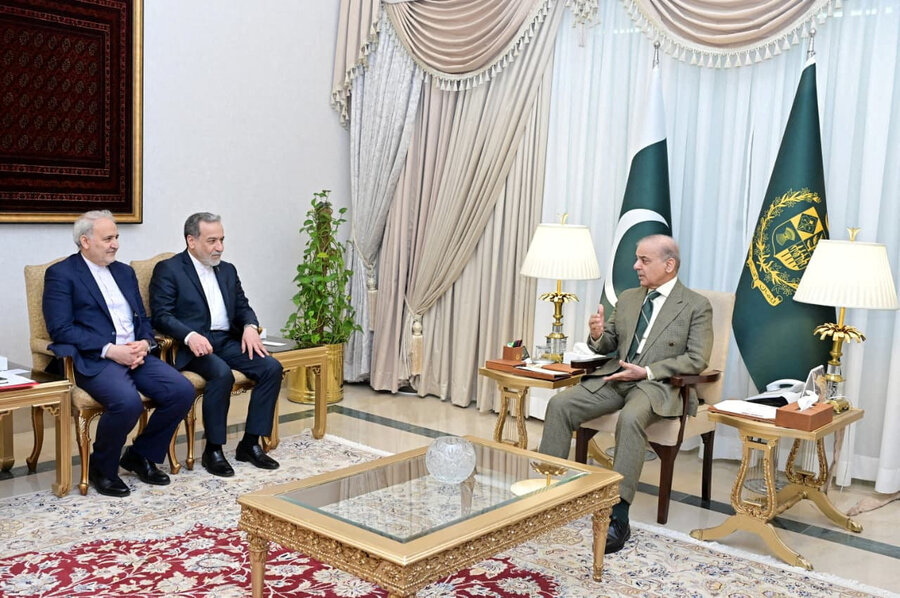
Iranian Foreign Minister Abbas Araghchi had been in Islamabad earlier in the day, meeting with Pakistani officials as part of ongoing mediation efforts. Iran’s Foreign Ministry spokesperson Esmaeil Baqaei stated that Araghchi would be meeting with Pakistani high-level officials in concert with their ongoing mediation and good offices for ending what Iran describes as an “American imposed war of aggression” and the restitution of peace in the region. No direct meeting between Iranian and U.S. Officials was planned, with Baqaei emphasizing that Iran’s observations would be conveyed to Pakistan.
The breakdown in talks centers on the U.S. Naval blockade of Iranian ports, which Trump said he has no intention of lifting until Iran agrees to end the war. The blockade has been a central point of contention in the broader conflict involving Israel, Lebanon, and other regional actors.
According to casualty figures reported by NBC News, Iran’s forensics chief said nearly 3,400 people had been killed in Iran since U.S.-Israeli strikes began on February 28, 2026. Almost 2,500 people have been killed in Lebanon, 32 in Gulf states, and 23 in Israel. Thirteen U.S. Service members have been killed, with two more dying of noncombat causes.
In related developments, Israel and Lebanon agreed to extend a ceasefire by three weeks, though clashes between Israeli forces and Hezbollah militants have continued, with each side accusing the other of violations. Uncertainty over the Strait of Hormuz continues to affect global oil markets, with crude oil trading above $105 per barrel as of the previous day, according to market reports cited by NBC News.
The cancellation of the U.S. Delegation’s trip underscores the fragility of diplomatic channels in the region and highlights the challenges of achieving a negotiated settlement amid ongoing military operations and divergent strategic objectives. With direct talks now off the table, reliance on third-party mediators such as Pakistan may increase, though their effectiveness remains uncertain without direct engagement from the primary parties.
As of the latest reports, no new date has been set for resuming direct negotiations between U.S. And Iranian officials. Both sides appear to be maintaining their current positions, with the U.S. Insisting on preconditions related to the blockade and Iran demanding its removal as a prerequisite for meaningful dialogue.
For ongoing updates on this developing story, readers can follow coverage from reputable international news outlets and monitor official statements from the U.S. State Department, Iran’s Foreign Ministry, and Pakistan’s Ministry of Foreign Affairs.
We encourage our global audience to share thoughts and perspectives in the comments section below and to facilitate spread informed discussion by sharing this article across social platforms.