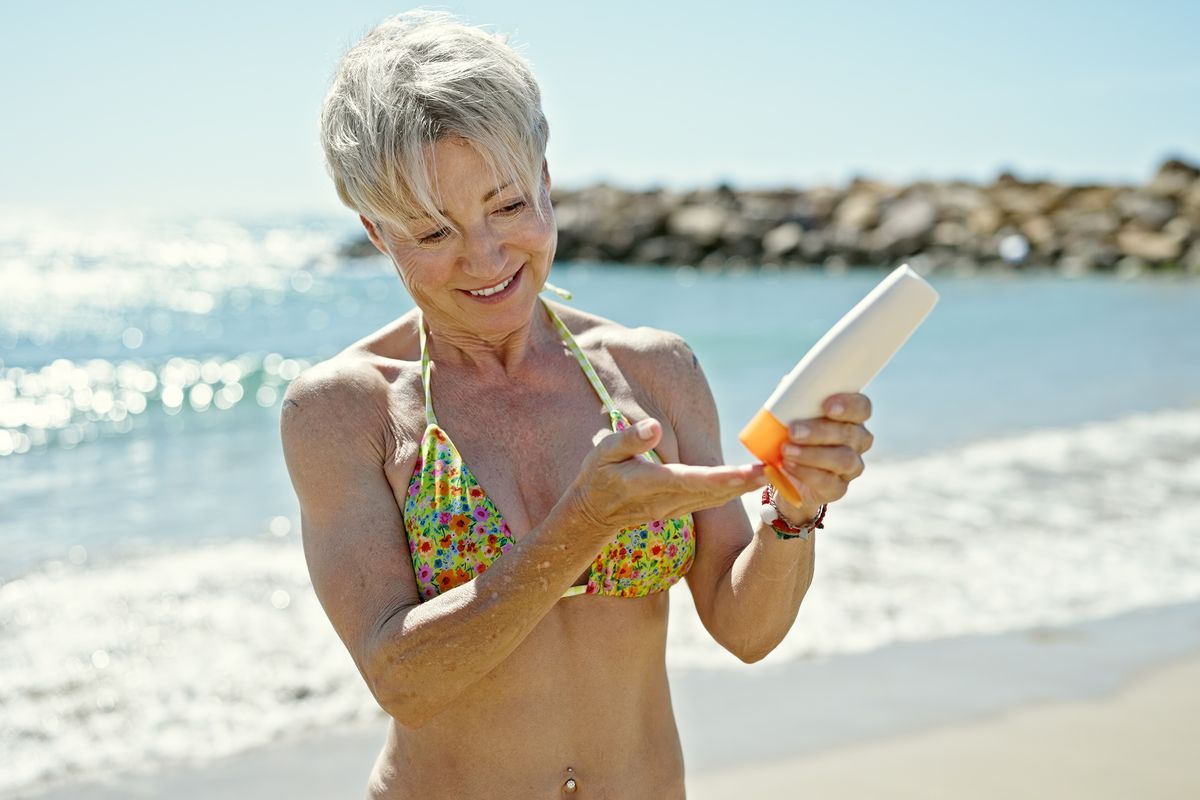
As spring unfolds and temperatures rise, many people reach for last year’s sunscreen tucked away in bathroom cabinets or beach bags. The question of whether that leftover tube is still safe and effective to leverage resurfaces annually, especially as the first warm days of the season arrive. This common concern touches on practical skincare, product longevity and public health awareness around sun protection.
Understanding the shelf life of sunscreen is essential for maintaining adequate defense against ultraviolet radiation, which remains a leading cause of skin damage and skin cancer. While sunscreen does not expire like perishable food, its active ingredients can degrade over time, potentially reducing its protective capabilities. Factors such as exposure to heat, sunlight, and air can accelerate this breakdown, making proper storage a key consideration.
According to dermatological experts and product manufacturers, most sunscreens retain their effectiveness for about three years from the date of manufacture, provided they have been stored under appropriate conditions. Beyond this period, the chemical filters—such as avobenzone, octinoxate, or oxybenzone—may begin to break down, diminishing their ability to absorb or reflect UV rays. Mineral-based sunscreens containing zinc oxide or titanium dioxide tend to be more stable, though they are not immune to degradation if contaminated or exposed to extreme conditions.
Consumers are advised to check for visible signs of deterioration before using older sunscreen. Changes in texture—such as separation, clumping, or a watery consistency—can indicate ingredient instability. Unusual odors, discoloration, or a gritty sense may also suggest the product has degraded. In such cases, even if the expiration date has not passed, it is prudent to discard the sunscreen to avoid inadequate protection.
The storage environment plays a significant role in determining how long sunscreen remains viable. Keeping sunscreen in a cool, dry place away from direct sunlight helps preserve its integrity. Storing it in a car, near a window, or in a humid bathroom can speed up deterioration, potentially shortening its usable life. Some experts recommend marking the purchase date on the container to better track its age, especially if the original packaging lacks a clear expiration date.
Regulatory bodies in various regions require sunscreen manufacturers to include either an expiration date or a period-after-opening (PAO) symbol on packaging. The PAO symbol, often depicted as an open jar with a number followed by “M” (e.g., 12M), indicates how many months the product is expected to remain effective after first use. However, these guidelines assume proper storage, which may not always reflect real-world conditions.
While using degraded sunscreen is unlikely to cause direct harm, such as chemical irritation or toxicity, the primary risk lies in reduced efficacy. Applying sunscreen that has lost potency may provide users a false sense of security, leading to prolonged sun exposure without adequate protection. This increases the likelihood of sunburn, cumulative UV damage, and long-term skin health risks, including premature aging and skin cancer.
For those uncertain about their sunscreen’s viability, a simple assessment can facilitate determine whether to retain or replace it. If the product has been stored well, shows no signs of separation or odor change, and is within the manufacturer’s recommended timeframe, it may still be suitable for use. However, when in doubt, replacing the sunscreen is the safest course of action—particularly before extended outdoor activities, vacations, or periods of intense sun exposure.
Public health organizations continue to emphasize the importance of consistent and correct sunscreen use as part of a broader sun safety strategy. This includes seeking shade during peak UV hours, wearing protective clothing, hats, and sunglasses, and reapplying sunscreen every two hours—or more frequently after swimming, sweating, or towel drying. No sunscreen offers complete protection, so combining multiple methods yields the best defense against harmful UV radiation.
As consumers prepare for the warmer months ahead, taking a moment to evaluate last year’s sunscreen can contribute to better skin health outcomes. By combining awareness of product stability with mindful storage habits and timely replacement when needed, individuals can help ensure their sun protection remains reliable when it matters most.
For the most current guidance on sunscreen safety and effectiveness, individuals are encouraged to consult official resources from dermatological associations, national health agencies, or regulatory authorities responsible for overseeing cosmetic and over-the-counter skincare products. These sources provide evidence-based recommendations that support informed decisions about sun protection throughout the year.