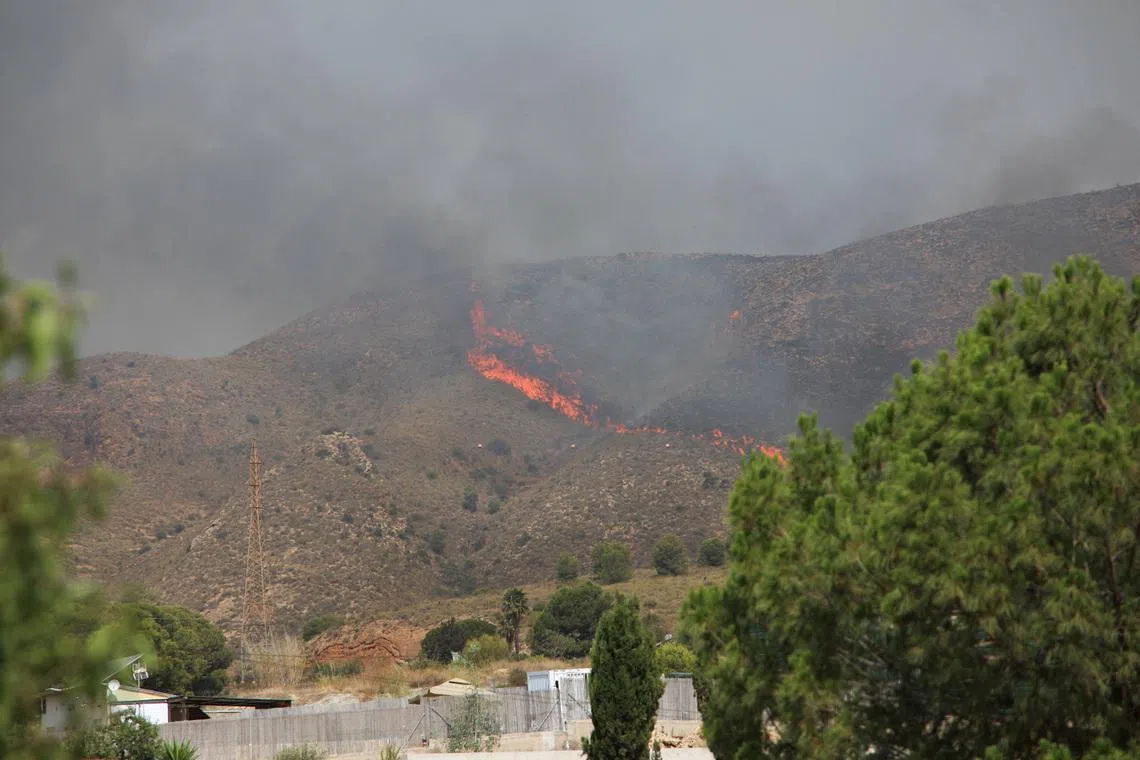
Emergency responders in southern Spain are investigating a series of fatal incidents involving vehicles trapped by rapidly spreading wildfires in the Andalusia region. As extreme heat and high winds fueled forest fires, several individuals attempting to evacuate rural areas near Los Gallardos found themselves caught in fire-stricken zones, leading to casualties when their vehicles were overtaken by flames.
According to the Spanish State Meteorological Agency (AEMET), the region has been experiencing persistent heatwaves and severe drought conditions, which have significantly increased the risk of rapid fire spread. Local authorities are currently working to identify the victims and determine the exact sequence of events that led to the road-based fatalities, emphasizing the extreme danger posed by attempting to drive through smoke-filled evacuation routes.
The Dangers of Evacuation in Fire Zones
The incident highlights the critical safety risks residents face when wildfires move with high velocity, often outstripping the ability of local traffic to clear affected roads. Fire safety experts from the National Fire Protection Association (NFPA) advise that when a wildfire is imminent, the safest course of action is often to follow official evacuation orders immediately, rather than waiting until visibility is compromised by smoke. In rural areas with limited road infrastructure, vehicles can quickly become death traps if they are stalled by traffic congestion or engine failure caused by heat-related mechanical issues.
Official reports indicate that the environmental conditions in southern Spain have been exacerbated by “red alert” heat levels, which have dried out vegetation to record lows. The Regional Government of Andalusia has issued ongoing warnings for citizens to remain vigilant and to adhere strictly to the guidance provided by the Infoca wildfire response agency. The combination of intense heat and terrain-specific wind patterns has created a volatile environment where fire behavior can change in minutes.
Infrastructure and Emergency Response Challenges
The geography of the Los Gallardos area presents unique challenges for emergency crews, as narrow rural roads often lack the capacity for mass evacuation. According to provincial police reports, several vehicles were found abandoned on secondary routes, suggesting that occupants may have attempted to flee on foot once the road became impassable. The Spanish Ministry of the Interior has deployed additional aerial and ground resources to assist in containment efforts and to ensure that blocked roads are cleared as quickly as possible for emergency vehicle access.
The difficulty of managing these incidents is amplified by the sheer scale of the wildfires. Data from the European Forest Fire Information System (EFFIS) shows that the Mediterranean basin is currently seeing a significant increase in the frequency of high-intensity fires compared to historical averages. These fires, often driven by climate-linked weather patterns, frequently move faster than human evacuation speeds on rural infrastructure, making the role of early warning systems and pre-planned evacuation routes essential for public safety.
Official Safety Protocols and Updates
Authorities have reiterated that residents should not attempt to drive through dense smoke or active fire fronts. If trapped, the Spanish Civil Protection agency advises that individuals should seek shelter in a clear area, keep windows closed, and stay low to the ground to avoid inhaling toxic smoke. Updates regarding road closures and evacuation status are broadcast through official government channels and local radio stations.
As the investigation into the tragedy continues, the Spanish government is expected to release a comprehensive report on the effectiveness of existing fire-risk communication strategies. The next official update from the regional authorities is scheduled following the completion of forensic examinations at the site of the incidents. For those currently in affected areas, please monitor the official Andalusia Environment Portal for real-time safety advisories and evacuation instructions. We encourage readers to share this information with those in high-risk zones and to follow our coverage as further verified details become available.