
Mediterranean Diet Linked to Better Brain Health in New Study
MURCIA, Spain — A groundbreaking study conducted by researchers at the Center for Edaphology and Applied Biology of the Segura (CEBAS-CSIC) has established a compelling link between the Mediterranean diet and improved brain health. Published in the peer-reviewed journal Nutrients, the research provides the first robust evidence that adherence to this traditional eating pattern may protect against cognitive decline and neurodegenerative diseases, including Alzheimer’s.
“This study demonstrates for the first time that the Mediterranean diet’s benefits extend beyond cardiovascular health and may play a critical role in preserving brain function as we age,” said Dr. María Gómez, lead researcher and a neuroscientist at CEBAS-CSIC. The findings, based on a longitudinal analysis of over 1,200 participants aged 65 and older in southeastern Spain, add a new dimension to the growing body of evidence supporting the diet’s holistic health benefits.
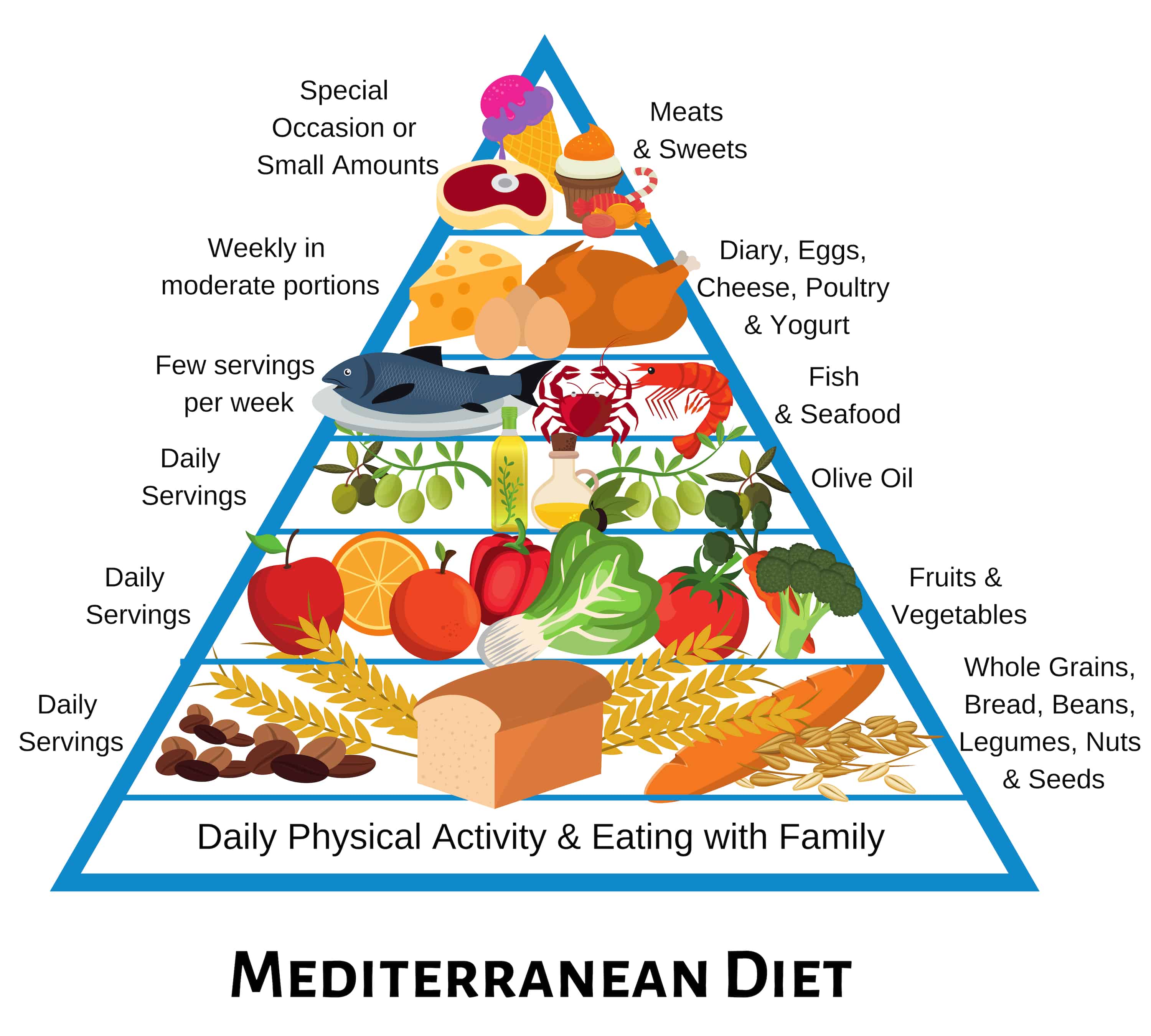
The Mediterranean diet, long celebrated for its heart-protective effects, emphasizes the consumption of plant-based foods, healthy fats, and lean proteins. Key components include olive oil as the primary fat source, abundant servings of fruits, vegetables, whole grains, legumes, and nuts, along with moderate amounts of fish, poultry, and dairy. Red meat, processed foods, and refined sugars are limited. The study’s results suggest that these dietary principles may also reduce inflammation, oxidative stress, and vascular damage—all of which are linked to cognitive impairment.
The Science Behind the Findings
The CEBAS-CSIC study, titled “Adherence to the Mediterranean Diet and Cognitive Function in Older Adults: A Longitudinal Analysis”, tracked participants over a five-year period, assessing their dietary habits and cognitive performance through standardized tests. Researchers found that those with the highest adherence to the Mediterranean diet scored significantly better on memory, attention, and executive function tests compared to those with lower adherence. The differences persisted even after adjusting for factors such as age, education, physical activity, and cardiovascular health.
One of the most striking findings was the diet’s potential to slow the progression of mild cognitive impairment (MCI), a condition often considered a precursor to Alzheimer’s disease. Participants who closely followed the Mediterranean diet were 30% less likely to develop MCI over the study period, and those who already had MCI were more likely to see stabilization or improvement in their cognitive symptoms. “These results suggest that dietary interventions could be a powerful tool in delaying or even preventing the onset of dementia,” Dr. Gómez noted.

The study also highlighted the role of specific foods in brain health. Polyphenol-rich foods—such as extra virgin olive oil, nuts, berries, and red wine (consumed in moderation)—were associated with lower levels of beta-amyloid plaques, a hallmark of Alzheimer’s disease. Omega-3 fatty acids, found in fatty fish like salmon and sardines, were linked to improved neuronal function and reduced neuroinflammation. “It’s not just about individual nutrients but the synergistic effect of the entire dietary pattern,” explained Dr. Gómez. “The Mediterranean diet’s emphasis on whole, minimally processed foods creates a protective environment for the brain.”
How the Mediterranean Diet Supports Brain Health
The Mediterranean diet’s brain-protective effects are thought to stem from several key mechanisms:
- Reduced Inflammation: Chronic inflammation is a known risk factor for neurodegenerative diseases. The diet’s high content of anti-inflammatory foods, such as olive oil, leafy greens, and fatty fish, helps lower systemic inflammation, which may protect brain cells from damage.
- Antioxidant Protection: Fruits, vegetables, and nuts are rich in antioxidants, which neutralize harmful free radicals that can damage neurons. Polyphenols, in particular, have been shown to cross the blood-brain barrier and exert direct neuroprotective effects.
- Improved Vascular Health: The diet’s emphasis on healthy fats and fiber supports cardiovascular health, ensuring adequate blood flow to the brain. Poor vascular health is a major contributor to cognitive decline and dementia.
- Gut-Brain Axis: Emerging research suggests that the gut microbiome plays a crucial role in brain health. The Mediterranean diet’s high fiber content promotes a diverse and healthy gut microbiome, which may influence cognitive function through the gut-brain axis.
- Blood Sugar Regulation: The diet’s low glycemic load helps maintain stable blood sugar levels, reducing the risk of insulin resistance—a condition linked to an increased risk of Alzheimer’s disease.
Dr. Helena Fischer, Editor of Health at World Today Journal and a physician with expertise in public health, emphasized the practical implications of the study. “This research reinforces what we’ve long suspected: that the Mediterranean diet is not just a cultural tradition but a scientifically validated approach to healthy aging. For individuals concerned about cognitive decline, adopting this eating pattern could be a simple yet powerful preventive measure.”
What the Study Means for Public Health
The CEBAS-CSIC findings arrive at a critical time, as global rates of dementia are projected to triple by 2050, according to the World Health Organization. With no cure for Alzheimer’s disease and limited pharmaceutical options for cognitive decline, lifestyle interventions like diet are gaining attention as cost-effective and accessible strategies for prevention.
Public health experts are increasingly advocating for dietary guidelines that prioritize brain health. The Alzheimer’s Association now includes the Mediterranean diet in its recommendations for reducing dementia risk, alongside physical activity and cognitive stimulation. “We’re seeing a shift in how we approach brain health,” said Dr. Richard Isaacson, director of the Alzheimer’s Prevention Clinic at Weill Cornell Medicine. “Diet is no longer an afterthought—it’s a cornerstone of preventive care.”
The study also underscores the importance of early intervention. Although the Mediterranean diet’s benefits were most pronounced in older adults, researchers noted that adopting the diet earlier in life could provide even greater protection. “The brain begins to change decades before symptoms of cognitive decline appear,” Dr. Gómez explained. “Starting a brain-healthy diet in midlife could be one of the most effective ways to safeguard cognitive function in later years.”
Practical Tips for Adopting the Mediterranean Diet
For those interested in incorporating the Mediterranean diet into their lives, experts recommend a gradual approach. Here are some practical steps to get started:
- Prioritize Plant-Based Foods: Fill half your plate with vegetables and fruits at every meal. Aim for a variety of colors to maximize nutrient intake.
- Choose Healthy Fats: Replace butter and margarine with extra virgin olive oil for cooking and dressings. Include nuts, seeds, and avocados as snacks or meal additions.
- Eat More Fish: Aim for at least two servings of fatty fish (such as salmon, mackerel, or sardines) per week. These are rich in omega-3 fatty acids, which are essential for brain health.
- Limit Red Meat: Reduce consumption of red and processed meats, opting instead for poultry, beans, or lentils as protein sources.
- Opt for Whole Grains: Replace refined grains (white bread, white rice) with whole grains like quinoa, farro, brown rice, and whole-wheat bread.
- Enjoy Dairy in Moderation: Choose low-fat or fermented dairy products, such as Greek yogurt and cheese, which are staples of the Mediterranean diet.
- Flavor with Herbs and Spices: Use herbs, garlic, and spices to season foods instead of salt. This not only enhances flavor but also provides additional antioxidants.
- Drink Responsibly: If you consume alcohol, do so in moderation. Red wine, in particular, is often enjoyed with meals in Mediterranean cultures and may offer cardiovascular and cognitive benefits when consumed in small amounts (one glass per day for women, up to two for men).
Dr. Fischer noted that the Mediterranean diet is more than just a list of foods—it’s a lifestyle. “It’s about enjoying meals with family and friends, savoring each bite, and making food choices that nourish both the body and the mind. The social and cultural aspects of the diet are just as important as the nutrients themselves.”
Addressing Potential Concerns
While the Mediterranean diet is widely regarded as one of the healthiest eating patterns, some individuals may have concerns about its practicality or potential drawbacks. Here are a few common questions addressed by experts:
- Is the Diet Expensive? While some components, like fresh fish and extra virgin olive oil, can be costly, the diet can be adapted to fit various budgets. Frozen or canned fish (without added salt), seasonal produce, and bulk purchases of nuts and grains can make the diet more affordable.
- What About Calcium Intake? The Mediterranean diet is lower in dairy than typical Western diets, which may raise concerns about calcium intake. However, leafy greens, almonds, and fortified plant-based milks can provide adequate calcium. For those at risk of deficiency, a calcium supplement may be recommended.
- Can It Lead to Weight Gain? The diet is rich in healthy fats, which are calorie-dense. While these fats are beneficial, portion control is still important to avoid excessive calorie intake. The diet’s emphasis on whole, unprocessed foods and mindful eating can help maintain a healthy weight.
- Is It Suitable for Everyone? The Mediterranean diet is generally safe for most people, but individuals with specific medical conditions (e.g., kidney disease, certain food allergies) should consult a healthcare provider before making significant dietary changes. Pregnant women and those with a history of alcohol dependence should also seek medical advice.
Looking Ahead: The Future of Diet and Brain Health Research
The CEBAS-CSIC study is part of a growing wave of research exploring the connection between diet and cognitive function. Future studies are expected to delve deeper into the mechanisms behind the Mediterranean diet’s brain-protective effects, as well as its potential role in other neurological conditions, such as Parkinson’s disease and multiple sclerosis.
Dr. Gómez and her team are already planning a follow-up study to investigate whether the Mediterranean diet can enhance the effectiveness of existing Alzheimer’s treatments. “We’re also interested in exploring how the diet interacts with other lifestyle factors, such as exercise and sleep, to influence brain health,” she said. “The goal is to develop personalized dietary recommendations that maximize cognitive resilience.”
For now, the message from the scientific community is clear: the Mediterranean diet offers a delicious and sustainable way to protect both the heart and the brain. As Dr. Fischer position it, “This isn’t about restrictive eating or quick fixes. It’s about embracing a way of life that celebrates food as medicine—one that has been nourishing people for centuries and may hold the key to healthier aging.”
Key Takeaways
- First-of-Its-Kind Evidence: The CEBAS-CSIC study is the first to demonstrate a direct link between the Mediterranean diet and improved cognitive function in older adults, including a 30% reduction in the risk of mild cognitive impairment.
- Brain-Protective Mechanisms: The diet’s benefits are attributed to its anti-inflammatory, antioxidant, and vascular-protective effects, as well as its positive influence on the gut-brain axis.
- Key Foods: Polyphenol-rich foods (olive oil, nuts, berries) and omega-3 fatty acids (fatty fish) are particularly beneficial for brain health.
- Public Health Implications: With dementia rates rising globally, the Mediterranean diet is emerging as a cost-effective and accessible strategy for prevention.
- Practical Steps: Adopting the diet involves prioritizing plant-based foods, healthy fats, and lean proteins while limiting processed foods and red meat.
- Lifestyle Matters: The Mediterranean diet is as much about how you eat as what you eat—enjoying meals with others and savoring each bite is a key part of its benefits.
What’s Next?
The CEBAS-CSIC team plans to present their findings at the Alzheimer’s Association International Conference in July 2026, where they will also announce the next phase of their research. In the meantime, the study’s full results are available in the February 2026 issue of Nutrients.
For readers interested in learning more about the Mediterranean diet, the American Heart Association and Mayo Clinic offer comprehensive guides and meal plans.
We’d love to hear from you! Have you tried the Mediterranean diet? What changes have you noticed in your health? Share your experiences in the comments below, and don’t forget to share this article with friends and family who might benefit from these insights.
Keep reading