
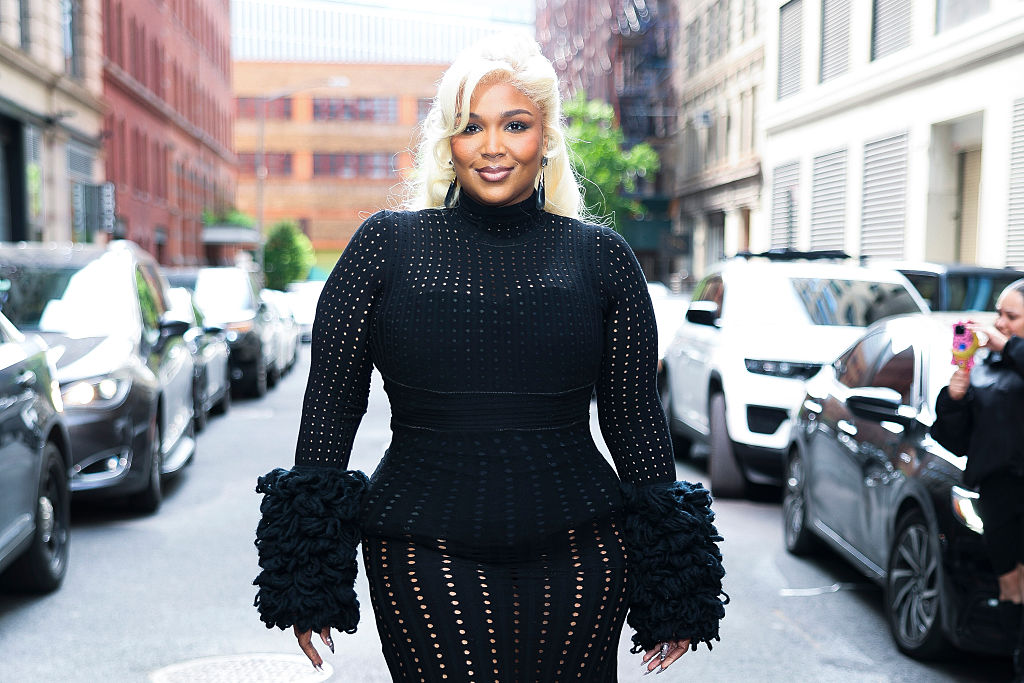
Lizzo Announces Fresh Album ‘B*tch’: A Bold Reclamation of Language and Identity
Grammy-winning artist Lizzo has unveiled her fifth studio album, B*tch, marking a defiant return to the spotlight with a title that challenges societal norms and reclaims a word long used to diminish women. The announcement, made on her 38th birthday, positions the album as both a personal manifesto and a cultural statement, blending her signature themes of self-love, resilience, and unapologetic confidence. Set for release on June 5, B*tch arrives nearly four years after her last full-length project, Special, and follows a period of artistic reinvention for the singer, songwriter, and flutist.
In a press statement shared alongside the album’s reveal, Lizzo framed the title as an act of empowerment. “Reclaiming the word B*tch is power—it’s taking a label once used to diminish women and turning it into a declaration of confidence, and unapologetic self-love,” she said. The album’s title track, slated for release on May 1, draws inspiration from Meredith Brooks’ 1997 hit “Bitch” and Missy Elliott’s 1999 anthem “She’s a Bitch,” both of which repurposed the term as symbols of strength. Lizzo’s embrace of the word echoes her 2019 breakout single “Truth Hurts,” where she famously declared, “I’m 100% that bitch,” a line that became a cultural touchstone for self-assurance.
The album’s cover art, revealed in her Instagram post, features Lizzo in a bold, unfiltered pose, reinforcing the project’s themes of authenticity. The 12-track record will include the previously released single “Don’t Make Me Love U,” a soulful ballad that hints at the introspective direction of the new material. While details about the full tracklist remain under wraps, industry observers anticipate a fusion of pop, rap, and rock influences, reflecting Lizzo’s genre-blending artistry and her recent experimentation with rap on the 2025 mixtape My Face Hurts From Smiling.
The Cultural Weight of a Word
Lizzo’s decision to title her album B*tch is not merely a provocative choice—it’s a deliberate engagement with the complex history of the word and its evolving role in feminist discourse. The term has long been wielded as an insult, particularly against women who defy traditional expectations of passivity or compliance. By reclaiming it, Lizzo joins a lineage of artists who have transformed the word into a badge of defiance. Meredith Brooks’ 1997 hit, which topped charts worldwide, famously celebrated the multifaceted nature of womanhood with the chorus, “I’m a bitch, I’m a lover, I’m a child, I’m a mother…” Similarly, Missy Elliott’s “She’s a Bitch” (1999) subverted the term by framing it as a declaration of dominance and self-possession.
Lizzo’s personal connection to the word deepened in January 2026, when she penned a Substack post reflecting on a troubling conversation with a Trump supporter. In the essay, she embraced the identity of a “bitch” as a form of resistance, writing, “A Bitch’s prickly confidence shakes the core of evil. You can’t shame a Bitch by calling her bitch, because she knows she is. You cannot hurt Ms. Bitch anymore, she is impervious to words.” The post went viral, sparking conversations about the power of language in political and personal contexts. Her album title, then, is both a continuation of that dialogue and a celebration of the word’s redefined meaning.
Reclamation movements like this are not new in music or popular culture. Artists such as Beyoncé (“***Flawless”), Nicki Minaj (“Boss Ass Bitch”), and even earlier figures like Madonna (“Like a Virgin”) have similarly repurposed derogatory terms to assert control over their narratives. Lizzo’s approach, although, is uniquely intersectional, blending her identity as a Black woman, a plus-size artist, and a vocal advocate for body positivity. Her use of the word b*tch is not just about defiance—it’s about ownership, a theme that has defined her career since her 2016 breakthrough with Cuz I Love You.
A Career of Reinvention and Resilience
The road to B*tch has been marked by both triumphs and setbacks. Lizzo’s last studio album, Special (2022), was a commercial and critical success, spawning the Grammy-winning hit “About Damn Time” and earning her a place among the most influential pop artists of the decade. The album’s blend of euphoric anthems and vulnerable ballads resonated with audiences worldwide, cementing her reputation as a champion of self-acceptance. However, her follow-up project, Love in Real Life, was ultimately shelved after its lead single failed to gain traction on the charts. The decision to pivot reflected Lizzo’s willingness to adapt, a trait that has defined her artistic journey.

In 2025, she released the mixtape My Face Hurts From Smiling, a departure from her pop roots that leaned heavily into rap and experimental production. While the project received mixed reviews, it demonstrated her versatility and her refusal to be confined by genre expectations. With B*tch, Lizzo appears to be merging the introspective themes of her mixtape with the polished, anthemic sound of Special, signaling a new chapter in her evolution as an artist.
Beyond music, Lizzo has expanded her creative footprint in recent years. She is set to make her acting debut in an upcoming Amazon MGM Studios biopic, where she will portray Sister Rosetta Tharpe, the pioneering gospel and rock ‘n’ roll guitarist often referred to as the “Godmother of Rock ‘n’ Roll.” The role underscores her commitment to honoring Black musical history while carving out her own legacy. She has announced plans to release a children’s book later this year, further diversifying her portfolio and reinforcing her message of self-love for younger audiences.
What to Expect from B*tch
While Lizzo has kept most details about B*tch under wraps, the album’s title track, set for release on May 1, offers a glimpse into its sonic and thematic direction. The song is expected to interpolate Meredith Brooks’ 1997 hit, a move that aligns with Lizzo’s history of paying homage to the artists who paved the way for her. Fans can anticipate a blend of her signature flute solos, soaring vocals, and sharp lyricism, all delivered with the confidence and charisma that have become her trademarks.
The album’s promotional rollout has already generated significant buzz, with Lizzo teasing snippets of the title track on social media. Her announcement post on Instagram, which included a striking album cover featuring the artist in a bold, unapologetic pose, quickly amassed millions of likes and comments. The cover art, designed to reflect the album’s themes of empowerment, has been praised for its raw, unfiltered aesthetic—a departure from the polished visuals of her previous projects.
Industry analysts suggest that B*tch could be Lizzo’s most ambitious project yet, both musically and conceptually. The album arrives at a time when discussions about language, identity, and representation are at the forefront of cultural conversations. By centering the word b*tch in her title, Lizzo is not only challenging listeners to reconsider its meaning but also inviting them to engage with the broader implications of reclamation in art and society.
The Broader Impact of Reclamation
Lizzo’s album title is part of a larger movement in which marginalized communities reclaim language to assert agency and redefine narratives. The practice of linguistic reclamation has roots in feminist, LGBTQ+, and racial justice movements, where words once used as slurs are repurposed as symbols of pride and resistance. For example, the LGBTQ+ community’s reclamation of terms like “queer” and the Black community’s embrace of the word “nigga” in certain contexts reflect similar efforts to strip derogatory language of its power.
In the music industry, reclamation has often been a tool for artists to assert control over their identities. Lizzo’s decision to title her album B*tch follows in the footsteps of artists like Kesha, who reclaimed the term “slut” in her 2017 single “Praying,” and Taylor Swift, who embraced the label “snake” in her 2017 album Reputation after it was used against her in a public feud. These acts of linguistic defiance are not just about shock value—they are about shifting the cultural conversation and empowering listeners to embrace their own narratives.
For Lizzo, the album’s title is also a reflection of her personal growth. In interviews, she has spoken openly about the challenges of navigating fame, body image, and public scrutiny. Her journey from a relatively unknown artist to a global superstar has been marked by moments of vulnerability and resilience, themes that are likely to resonate throughout B*tch. By framing the word as a source of strength, she is inviting her audience to do the same, fostering a sense of community and shared empowerment.
What’s Next for Lizzo?
With the release of B*tch on June 5, Lizzo is poised to re-enter the cultural conversation with a project that is as bold as This proves personal. The album’s rollout will include a series of promotional events, including live performances and interviews, where she is expected to delve deeper into the themes of reclamation and self-love. Fans can also appear forward to the release of her children’s book and the premiere of the Sister Rosetta Tharpe biopic, both of which are slated for later this year.
As Lizzo continues to expand her creative horizons, B*tch stands as a testament to her ability to merge artistry with activism. The album is more than just a collection of songs—it’s a statement, a challenge, and a celebration of the power of language to shape identity. In a world where words are often used to divide, Lizzo’s reclamation of b*tch is a reminder that they can also be used to unite, empower, and inspire.
For the latest updates on B*tch and Lizzo’s upcoming projects, follow her on Instagram and X (formerly Twitter). Share your thoughts on the album’s title and themes in the comments below—how do you interpret Lizzo’s reclamation of the word b*tch?