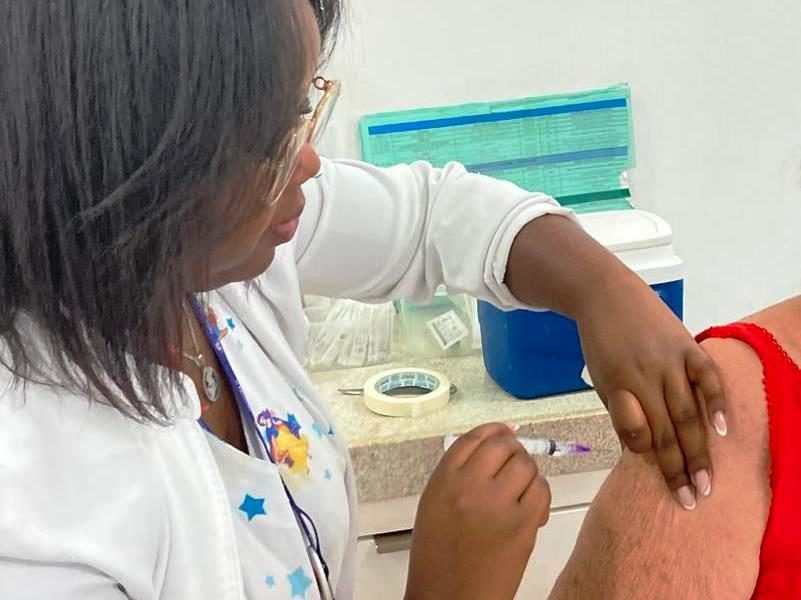
Mesquita Expands Flu Vaccination Campaign to Protect Broader Population
In a significant public health move, the city of Mesquita in Brazil’s Rio de Janeiro state has expanded its annual influenza vaccination campaign to include a wide range of priority groups, aiming to curb the spread of the virus and reduce severe complications among vulnerable populations. Starting April 27, 2026, the campaign now covers not only children, pregnant women, and the elderly but too essential workers, individuals with chronic illnesses, and other high-risk groups, reflecting a proactive approach to seasonal flu prevention.
The decision to broaden the campaign comes as health authorities emphasize the importance of vaccination in preventing hospitalizations and deaths, particularly among those most susceptible to severe influenza outcomes. With the campaign set to run until May 31, 2026, officials are urging eligible residents to take advantage of the free vaccines available at all 11 family clinics across the city.
Who Is Eligible for the Flu Vaccine in Mesquita?
The expanded vaccination campaign in Mesquita now includes the following priority groups, as outlined by the city’s health department:
- Children aged 6 months to under 6 years (5 years, 11 months, and 29 days)
- Pregnant women and postpartum women (puérperas)
- Adults aged 60 and older
- Healthcare workers
- Teachers in primary, secondary, and higher education
- Indigenous peoples and quilombola communities
- People experiencing homelessness
- Public safety and rescue professionals (police, firefighters, etc.)
- Military personnel
- Individuals with chronic non-communicable diseases or other special clinical conditions, regardless of age
- People with permanent disabilities
- Truck drivers and workers in urban and long-distance public transportation
- Port workers
- Incarcerated populations and prison staff
- Adolescents and young adults aged 12 to 21 under socio-educational measures
- Postal workers
To receive the vaccine, residents must present a form of identification and, if possible, their vaccination card. The inclusion of these groups aligns with Brazil’s national influenza vaccination strategy, which prioritizes those at higher risk of severe illness or complications from the flu. The Brazilian Ministry of Health has consistently emphasized the role of vaccination in reducing the burden on healthcare systems, particularly during peak flu seasons.
Why the Expansion Matters
Influenza remains a significant public health challenge in Brazil, with seasonal outbreaks contributing to thousands of hospitalizations and deaths annually. According to data from the World Health Organization (WHO), influenza viruses circulate year-round in tropical regions like Brazil, with peaks often occurring during the cooler months. The expanded vaccination campaign in Mesquita is part of a broader effort to mitigate these risks by ensuring that those most likely to spread the virus or suffer severe outcomes are protected.
Health experts highlight that vaccination is particularly critical for individuals with underlying health conditions, such as diabetes, heart disease, or respiratory illnesses, as they are at higher risk of developing severe complications from the flu. For example, a study published in the *Lancet Respiratory Medicine* found that people with chronic illnesses are up to six times more likely to be hospitalized due to influenza compared to the general population. By expanding eligibility, Mesquita’s campaign aims to address these disparities and reduce preventable hospitalizations.
The inclusion of essential workers, such as healthcare professionals and teachers, is also a strategic move to maintain critical services during flu season. These groups are not only at higher risk of exposure but also play a key role in community transmission. Vaccinating them helps protect both their health and the broader population they serve.
How Mesquita’s Campaign Compares to National Efforts
Mesquita’s expanded flu vaccination campaign mirrors similar efforts across Brazil, where municipalities are adapting their strategies to address local needs. For instance, the city of Teresina in Piauí state also began vaccinating teachers and healthcare workers on April 27, while Cubatão in São Paulo state recently opened its campaign to education professionals. These initiatives reflect a growing recognition of the need to protect not just the most vulnerable but also those who keep essential services running.
Brazil’s national influenza vaccination campaign, coordinated by the Ministry of Health, typically targets around 75 million people each year. The campaign is part of a global effort to reduce the impact of seasonal flu, which the WHO estimates causes 3 to 5 million cases of severe illness and 290,000 to 650,000 deaths worldwide annually. By expanding eligibility, Mesquita is contributing to this broader goal while addressing the specific needs of its population.
What Residents Need to Know
Residents of Mesquita who fall into any of the priority groups are encouraged to visit one of the city’s 11 family clinics to receive their flu vaccine. No appointment is necessary, but individuals should bring a form of identification and, if available, their vaccination card to ensure accurate record-keeping.
The vaccine being administered is the trivalent influenza vaccine, which protects against three strains of the virus: two influenza A strains (H1N1 and H3N2) and one influenza B strain. This formulation is updated annually to match the strains most likely to circulate in the upcoming flu season, based on global surveillance data. The vaccine is safe and effective, with the most common side effects being mild and short-lived, such as soreness at the injection site or a low-grade fever.
For those who may have concerns about the vaccine, health officials emphasize that the benefits far outweigh the risks. Influenza can lead to serious complications, including pneumonia, bronchitis, and worsening of chronic conditions like asthma or heart disease. Vaccination not only protects the individual but also helps create herd immunity, reducing the overall spread of the virus in the community.
Looking Ahead: The Campaign’s Timeline and Goals
The expanded vaccination campaign in Mesquita will continue until May 31, 2026. Health officials have set a goal of vaccinating at least 90% of the priority groups, a target that aligns with the Pan American Health Organization’s (PAHO) recommendations for seasonal flu vaccination coverage. Achieving this goal would not only protect thousands of residents but also reduce the strain on the city’s healthcare system during the peak of flu season.
As the campaign progresses, the city will continue to monitor vaccination rates and may introduce additional measures to reach underserved populations, such as mobile vaccination units or extended clinic hours. Residents are encouraged to stay informed through official channels, including the Mesquita city government’s health page, for updates on vaccine availability and any changes to the campaign’s schedule.
Key Takeaways
- Expanded Eligibility: Mesquita’s flu vaccination campaign now includes a broad range of priority groups, from children and the elderly to essential workers and individuals with chronic illnesses.
- Free and Accessible: Vaccines are available at all 11 family clinics in Mesquita, with no appointment necessary. Residents should bring identification and their vaccination card if possible.
- Protecting the Vulnerable: The campaign aims to reduce hospitalizations and deaths from influenza, particularly among those at higher risk of severe complications.
- Community Impact: Vaccinating essential workers helps maintain critical services and reduces the spread of the virus in the broader population.
- Timeline: The campaign runs until May 31, 2026, with a goal of vaccinating at least 90% of priority groups.
Frequently Asked Questions
1. Why was the flu vaccination campaign expanded in Mesquita?
The expansion reflects a proactive approach to public health, aiming to protect a broader segment of the population from severe influenza outcomes. By including essential workers, individuals with chronic illnesses, and other high-risk groups, the campaign seeks to reduce hospitalizations, deaths, and the overall burden on the healthcare system.
2. Is the flu vaccine safe?
Yes, the flu vaccine is safe and has been rigorously tested for efficacy and safety. The most common side effects are mild, such as soreness at the injection site or a low-grade fever. Serious side effects are extremely rare. The U.S. Centers for Disease Control and Prevention (CDC) and other health authorities worldwide recommend annual flu vaccination as the best way to protect against influenza.
3. Can I get the flu from the vaccine?
No, the flu vaccine cannot cause influenza. The vaccine contains either inactivated (killed) viruses or a single protein from the virus, neither of which can cause illness. Some people may experience mild side effects, such as fatigue or muscle aches, which can be mistaken for the flu but are actually signs that the body is building immunity.
4. What should I bring to get vaccinated?
Residents should bring a form of identification, such as a government-issued ID or birth certificate. If available, bringing a vaccination card is also recommended to ensure accurate record-keeping. No appointment is necessary, and vaccines are available at all 11 family clinics in Mesquita.
5. What if I’m not in a priority group? Can I still get vaccinated?
Currently, the campaign is focused on priority groups to ensure that those most at risk are protected first. However, some municipalities may expand eligibility further as the campaign progresses. Residents who do not fall into a priority group should check with local health authorities for updates on vaccine availability.
6. How effective is the flu vaccine?
The effectiveness of the flu vaccine varies from year to year, depending on how well the vaccine strains match the viruses circulating in the community. On average, the vaccine reduces the risk of flu illness by 40% to 60% when the match is good. Even when the match is not perfect, vaccination can still reduce the severity of illness and lower the risk of complications.
What Happens Next?
As the campaign continues through the end of May, health officials in Mesquita will closely monitor vaccination rates and may introduce additional measures to reach underserved populations. Residents are encouraged to stay informed through official channels, such as the city’s health department website, for updates on vaccine availability and any changes to the campaign’s schedule.
With flu season underway, the expanded vaccination campaign represents a critical step in protecting the health of Mesquita’s residents. By prioritizing those most at risk, the city is not only safeguarding individual health but also strengthening community resilience against a preventable yet potentially deadly disease.
Have you or someone you know received the flu vaccine this year? Share your thoughts and experiences in the comments below, and don’t forget to share this article with friends and family to help spread awareness about the importance of flu vaccination.