
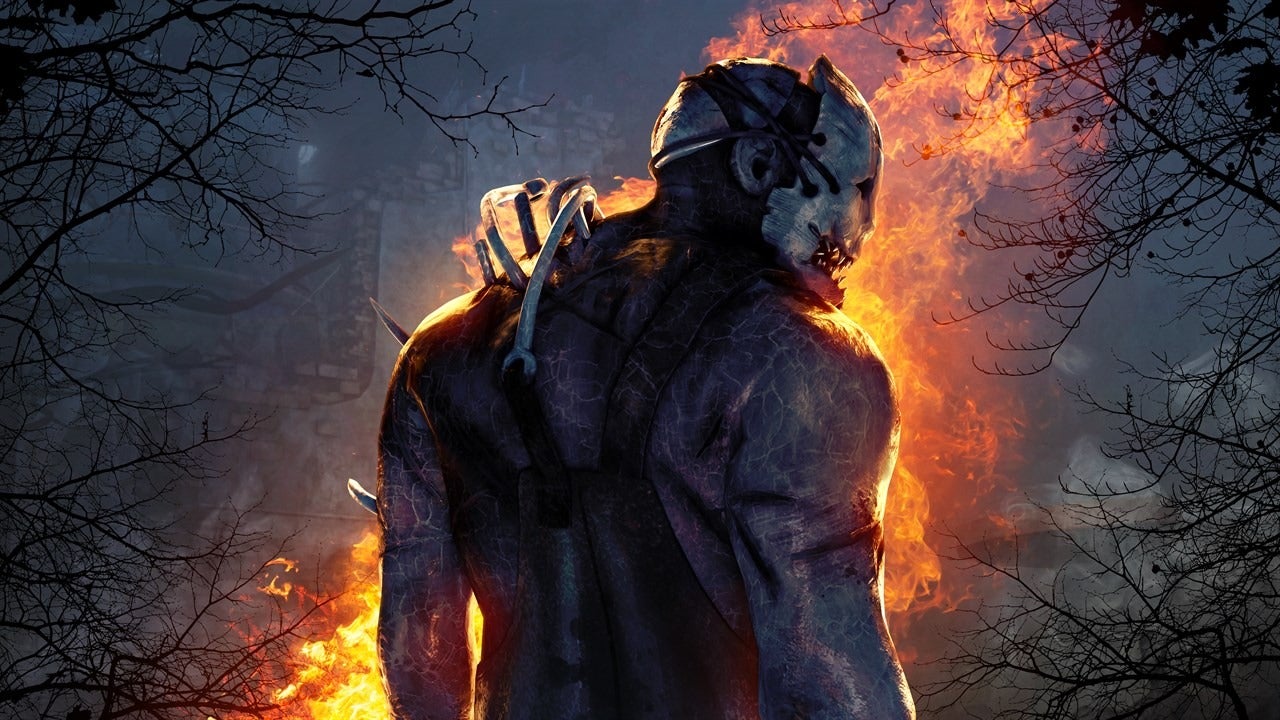
Dead by Daylight Studio Denies Layoffs Were Linked to Union Activity or AI Concerns
In a statement that has reignited discussions about labor rights in the gaming industry, Behaviour Interactive, the studio behind the popular horror game Dead by Daylight, has “emphatically refuted” rumors that recent layoffs were connected to employee unionization efforts or concerns about artificial intelligence. The company’s denial comes amid a broader wave of workforce reductions across the tech and gaming sectors, where questions about job security and the role of AI have turn into increasingly contentious.
The controversy emerged after reports surfaced earlier this week suggesting that some employees at Behaviour Interactive had raised concerns about union activity and the potential impact of AI on their roles. While the studio did not disclose the exact number of employees affected by the layoffs, it firmly stated that the decision was “in no way related to any employee’s sentiments regarding unionization, AI or anything else.” The statement, obtained by multiple gaming and labor-focused publications, aligns with a growing trend of companies distancing layoffs from union-related activities, even as workers in creative industries push for stronger protections.
Behaviour Interactive, headquartered in Montreal, Canada, is one of the largest independent game developers in the world, with over 1,000 employees globally. The studio is best known for Dead by Daylight, a multiplayer horror game that has maintained a dedicated player base since its launch in 2016. The game’s success has made Behaviour Interactive a key player in the gaming industry, but like many studios, it has faced challenges related to shifting market demands and rising development costs.
Unionization and AI: A Growing Flashpoint in Gaming
The denial from Behaviour Interactive arrives at a time when labor organizing and AI adoption are becoming increasingly polarizing issues in the gaming industry. Over the past two years, workers at several major studios, including Activision Blizzard, ZeniMax Media, and ProPublica, have formed unions or engaged in collective bargaining efforts to secure better wages, job protections, and transparency around AI usage. The ProPublica Guild’s recent 24-hour strike, for example, was driven in part by concerns over how generative AI would be integrated into newsroom workflows and whether it would lead to further layoffs.

In the gaming sector, AI has been touted as a tool to streamline development processes, from procedural content generation to automated testing. However, many employees worry that the technology could replace creative roles, particularly in areas like art, writing, and quality assurance. A 2025 report by the International Game Developers Association (IGDA) found that nearly 60% of game developers expressed concerns about AI’s potential to displace jobs, with unionized workers more likely to push for contractual safeguards against its apply. The report, titled “Developer Satisfaction Survey 2025”, highlighted that studios with unionized workforces were more likely to have formal policies governing AI implementation, including requirements for transparency and employee input.
Behaviour Interactive’s statement did not address whether the studio has any formal policies regarding AI or unionization, but it emphasized that the layoffs were part of a “strategic realignment” aimed at ensuring the company’s long-term sustainability. “Our focus remains on delivering high-quality games to our community while maintaining a responsible and sustainable business model,” the company said. However, the lack of specific details about the layoffs has left some employees and industry observers skeptical, particularly given the timing of the announcement amid broader labor unrest.
Industry-Wide Layoffs: A Pattern of Uncertainty
The gaming industry has seen a surge in layoffs over the past 18 months, with major companies like Microsoft, Sony, and Electronic Arts cutting hundreds of jobs despite record revenues. According to data from GamesIndustry.biz, more than 10,000 gaming-related jobs were eliminated in 2025 alone, a figure that has already been surpassed in the first four months of 2026. While companies often cite “restructuring” or “cost optimization” as reasons for the cuts, workers and labor advocates have increasingly questioned whether these decisions are driven by financial necessity or a desire to suppress union activity.

In Canada, where Behaviour Interactive is based, labor laws provide some protections for workers seeking to unionize, but the process can be lengthy and contentious. The Canada Labour Code prohibits employers from retaliating against employees for engaging in union activities, but enforcement can be slow, and workers often face pressure to accept severance packages rather than challenge layoffs in court. This dynamic has led to a rise in public campaigns, such as the one seen at ProPublica, where workers have turned to strikes and social media to draw attention to their demands.
For Behaviour Interactive, the layoffs come at a critical juncture. The studio is currently working on several high-profile projects, including a new Dead by Daylight chapter and an unannounced title rumored to be in the survival horror genre. The company has also expanded its operations in recent years, opening new offices in Europe and Asia. However, the gaming market has become increasingly competitive, with rising development costs and shifting player expectations putting pressure on studios to deliver consistent hits.
What’s Next for Behaviour Interactive and Its Employees?
While Behaviour Interactive has denied any connection between the layoffs and union activity, the incident has reignited conversations about the require for stronger labor protections in the gaming industry. Workers at other studios have pointed to the Behaviour Interactive case as an example of how companies can use vague language to justify layoffs while avoiding accountability. “When studios say layoffs are about ‘strategic realignment’ without providing details, it leaves room for speculation and fear,” said a former quality assurance tester at a major North American studio, who requested anonymity due to concerns about future employment. “Transparency is key, especially when people’s livelihoods are on the line.”

For now, Behaviour Interactive has not indicated whether it plans to engage in further discussions with employees about the layoffs or its policies on AI and unionization. The company has, however, pledged to provide affected employees with “comprehensive support,” including severance packages and career transition assistance. Meanwhile, labor advocates are calling for greater industry-wide standards to protect workers from retaliatory layoffs and ensure that AI is implemented in ways that complement, rather than replace, human creativity.
As the gaming industry continues to grapple with these issues, the outcome of cases like Behaviour Interactive’s could set important precedents for how studios handle labor relations in an era of rapid technological change. For players and employees alike, the stakes are high: the future of game development may hinge on whether studios can balance innovation with fair labor practices.
Key Takeaways
- Behaviour Interactive denies layoffs were linked to union activity or AI concerns. The studio stated that the layoffs were part of a “strategic realignment” and not related to employee sentiments about unionization or artificial intelligence.
- Unionization and AI are growing flashpoints in the gaming industry. Workers at studios like ProPublica and Activision Blizzard have pushed for protections against AI-driven job displacement and stronger labor rights.
- Layoffs in the gaming industry have surged in 2025 and 2026. Over 10,000 gaming-related jobs were eliminated in 2025, with thousands more cut in the first four months of 2026.
- Canadian labor laws provide some protections for union activity. However, enforcement can be slow, and workers often face pressure to accept severance packages rather than challenge layoffs.
- Transparency remains a major concern. Employees and labor advocates argue that studios need to provide clearer explanations for layoffs to avoid speculation and fear.
What Happens Next?
Behaviour Interactive has not announced any further actions regarding the layoffs or its policies on unionization and AI. However, the company is expected to release more details about its upcoming projects, including the next Dead by Daylight chapter, in the coming months. Industry observers will be watching closely to see whether the studio addresses employee concerns or takes steps to engage with labor advocates.
For now, the conversation about labor rights in gaming continues to evolve, with workers, studios, and policymakers all playing a role in shaping the industry’s future. If you have thoughts on this story or experiences to share, we encourage you to leave a comment below and join the discussion.