
Hyundai Motor Company Launches Aggressive Hiring Drive for Software and AI Experts
Hyundai Motor Company is significantly expanding its recruitment efforts, focusing on professionals with expertise in software-defined manufacturing, artificial intelligence, robotics, and logistics intelligence. This strategic move underscores the automaker’s commitment to transforming its manufacturing processes through advanced technologies and solidifying its position as a leader in the rapidly evolving automotive industry. The hiring initiative comes as global automakers increasingly rely on software and AI to enhance efficiency, improve product quality, and accelerate innovation.
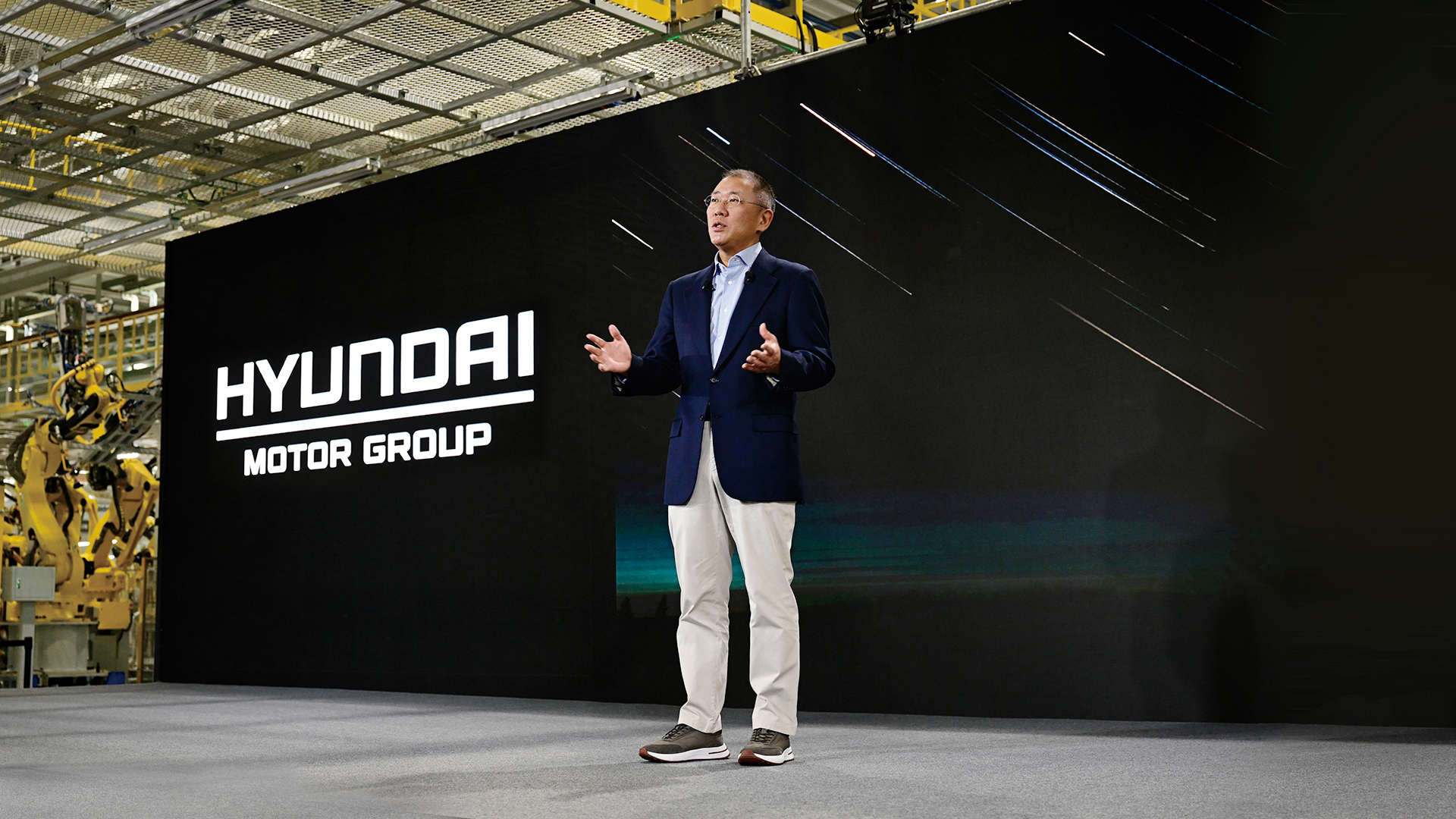
The push for talent reflects a broader trend within the automotive sector, where software is becoming as crucial as traditional hardware. Hyundai’s investment in these areas is not merely about automating existing processes. it’s about fundamentally reimagining how vehicles are designed, manufactured, and delivered. This transformation is driven by the increasing complexity of modern vehicles, which now contain millions of lines of code and rely heavily on data analytics for optimal performance. The company aims to create a more agile and responsive manufacturing system capable of adapting quickly to changing market demands and customer preferences.
Software-Defined Manufacturing: The Core of the Transformation
At the heart of Hyundai’s strategy lies the concept of Software-Defined Manufacturing (SDM). This approach moves beyond traditional, hardware-centric production systems to a model where software dynamically controls and optimizes manufacturing processes. SDM allows for greater flexibility, scalability, and self-optimization, enabling companies to respond to market fluctuations and product variations with unprecedented speed. Key characteristics of SDM include the ability to create software-driven modifications without physical adjustments to production lines, continuous algorithmic analysis to identify efficiency gains, and seamless connectivity between machines, sensors, and systems. According to a recent analysis by MHP, SDM is revolutionizing the industry by enabling adaptive production environments that dynamically adjust to market conditions.
Hyundai’s focus on SDM is evident in its efforts to integrate AI into predictive quality control, smart maintenance, and visual inspection processes. By embedding AI into these areas, the company is working towards a fully software-defined plant where data-driven insights support faster and more informed decision-making on the factory floor. AI-powered predictive solutions help anticipate potential issues before they arise, reducing downtime and improving consistency. Vision-based inspection systems ensure precision at scale, even as emerging applications like smart robotics and demand forecasting are driving greater agility across the entire value chain.
AI-Driven Innovation Across Manufacturing Operations
Beyond SDM, Hyundai is actively seeking to expand its capabilities in several key areas of AI application within manufacturing. This includes leveraging AI for autonomous transport vehicles within its facilities, optimizing logistics operations, and enhancing the overall efficiency of its supply chain. The company recognizes that unlocking the full potential of these technologies requires a well-defined AI strategy and active employee involvement. MHP highlights that isolated AI implementations often lead to inefficiencies and untapped automation potential, emphasizing the need for a holistic approach.
The integration of AI extends to areas like demand forecasting, where algorithms analyze vast datasets to predict future demand with greater accuracy. This allows Hyundai to optimize production schedules, minimize inventory costs, and ensure that vehicles are available when and where customers need them. AI is being used to improve the precision and efficiency of robotic systems used in assembly and other manufacturing processes. These robots, equipped with advanced sensors and computer vision, can perform complex tasks with a level of accuracy and speed that surpasses human capabilities.
Robotics and Logistics Intelligence: Streamlining the Supply Chain
Hyundai’s recruitment drive also targets experts in manufacturing robotics and logistics intelligence. The company is investing heavily in automating its logistics operations, utilizing robots to transport materials, manage inventory, and fulfill orders more efficiently. This is particularly crucial in the context of the booming e-commerce market, where rapid order fulfillment and seamless tracking are essential for customer satisfaction. First Alliance Logistics Management notes that the logistics industry is undergoing a revolution powered by robotics, reshaping supply chains and blurring the lines between the digital and physical worlds.
Robots used in Hyundai’s logistics operations come in various forms, including autonomous mobile robots (AMRs) and automated guided vehicles (AGVs) that transport pallets of goods within warehouses. Robotic arms are also employed for picking and packing tasks, further streamlining the fulfillment process. These robots utilize advanced technologies like LIDAR (Light Detection and Ranging) sensors, computer vision, and artificial intelligence to navigate complex warehouse environments and perform tasks with remarkable precision. The company’s goal is to create a fully automated and intelligent logistics network that can respond quickly to changing demands and ensure timely delivery of vehicles and components.
Nexteer’s Role in Advancing Intelligent Manufacturing
Hyundai’s efforts are being supported by companies like Nexteer, a global leader in intuitive motion control and advanced manufacturing technologies. Nexteer is actively integrating AI across its global manufacturing operations to enhance quality, reliability, and responsiveness to original equipment manufacturers (OEMs). The company is focusing on scalable manufacturing solutions and expert perspectives that illustrate how technology and human insight are coming together to shape the future of intelligent manufacturing. Nexteer’s approach involves embedding AI into predictive quality, smart maintenance, and visual inspection processes, progressing towards a truly software-defined plant.
Nexteer’s AI-powered solutions help anticipate issues before they occur, reducing downtime and improving consistency. Vision-based inspection systems ensure precision at scale, while emerging applications such as smart robotics and demand forecasting are driving greater agility across the value chain. Guided by a disciplined, scalable AI roadmap and powered by human expertise, Nexteer continues to set new benchmarks for intelligent, adaptive manufacturing.
Key Takeaways
- Hyundai Motor Company is making a substantial investment in software and AI to transform its manufacturing processes.
- Software-Defined Manufacturing (SDM) is central to Hyundai’s strategy, enabling greater flexibility, scalability, and self-optimization.
- AI is being integrated into predictive quality control, smart maintenance, visual inspection, and logistics operations.
- Robotics plays a crucial role in automating logistics and improving efficiency across the supply chain.
- Collaboration with companies like Nexteer is accelerating the development and implementation of intelligent manufacturing solutions.
Hyundai’s aggressive hiring drive signals a long-term commitment to innovation and a determination to remain at the forefront of the automotive industry. The company’s success in attracting top talent will be critical to realizing its vision of a fully automated, intelligent, and responsive manufacturing system. The next step in Hyundai’s transformation will be the continued deployment of these technologies across its global manufacturing facilities and the integration of AI-driven insights into all aspects of its operations. Share your thoughts on Hyundai’s ambitious plans in the comments below.