
Defense Secretary Hegseth Faces Scrutiny Amidst Escalating Iran Tensions and DHS Funding Resolution
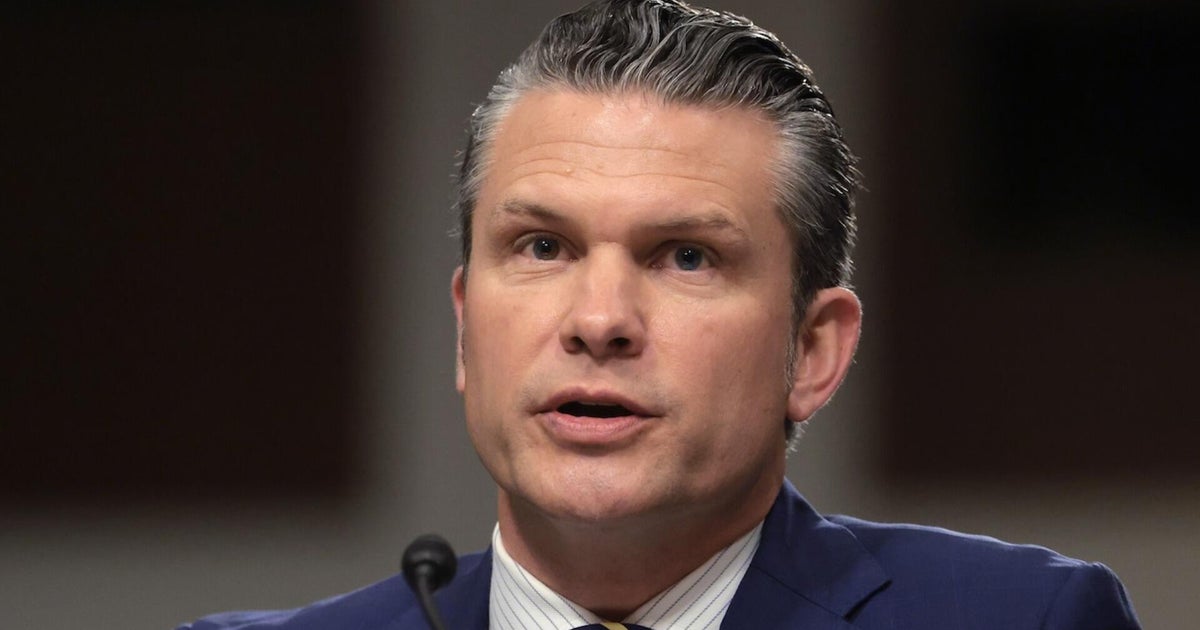
Washington D.C. – U.S. Defense Secretary Pete Hegseth and Chairman of the Joint Chiefs of Staff, General Dan Caine, recently faced intense questioning from senators regarding the escalating conflict with Iran and the depletion of U.S. Munitions stockpiles. This scrutiny comes as President Donald Trump signed a bill into law on April 30, 2026, ending a record 75-day shutdown of the Department of Homeland Security (DHS). The hearings, following similar sessions with House lawmakers, centered on the financial costs of the ongoing Iran war and the Defense Department’s budget requests. The situation underscores a complex geopolitical landscape marked by prolonged conflict and domestic political challenges.
The resolution of the DHS shutdown, while providing immediate relief, has been accompanied by renewed debate over border security funding. Congressional Republicans have signaled their intention to seek additional funding for Immigration and Customs Enforcement (ICE) and the Border Patrol in the coming weeks, indicating a continued focus on domestic security concerns alongside international conflicts. This dual focus highlights the multifaceted challenges facing the Trump administration as it navigates both foreign policy crises and internal political pressures.
Iran War Costs and Munitions Depletion
The recent Senate hearing delved into the financial implications of the ongoing conflict in Iran, with lawmakers pressing Hegseth and Caine for detailed accounting of expenditures and a clear assessment of the impact on U.S. Military resources. A key concern raised during the hearing was the depletion of U.S. Munitions stockpiles, prompting questions about the sustainability of current military operations and the need for increased production and procurement. The depletion of resources is a significant factor in the ongoing debate over the long-term strategy in the region.
Senator Elizabeth Warren specifically questioned Hegseth regarding potential insider trading related to developments in the Iran war, suggesting concerns about the ethical implications of financial transactions made by individuals with access to non-public information. This line of inquiry adds another layer of complexity to the situation, raising questions about transparency and accountability within the administration. The allegations, if substantiated, could lead to further investigations and potential legal repercussions.
FISA Extension and Surveillance Concerns
Alongside the discussions surrounding the Iran war and DHS funding, Congress too moved to extend the Foreign Intelligence Surveillance Act (FISA) Section 702 program. The House passed a 45-day clean extension of the program, which had already been approved by the Senate, and President Trump subsequently signed the extension into law. This extension allows the intelligence community to continue collecting communications from foreign targets located outside the United States, a practice that has been the subject of ongoing debate regarding privacy and civil liberties. NBC News reported on these developments on April 30, 2026.
The FISA Section 702 program has been a point of contention for privacy advocates, who argue that it allows for the collection of data on U.S. Citizens without adequate safeguards. Proponents of the program, however, maintain that it is essential for national security and allows intelligence agencies to gather critical information about potential threats. The extension of the program reflects a compromise between these competing interests, allowing for continued surveillance while also acknowledging the need for ongoing oversight.
Surgeon General Nominee and Political Appointments
President Trump also announced a new nominee for surgeon general, Dr. Nicole Saphier, ending months of speculation regarding the confirmation of his previous pick, Dr. Casey Means. This nomination comes after the Senate failed to confirm Dr. Means, potentially due to political opposition or concerns about her qualifications. The appointment of a surgeon general is a crucial step in addressing public health challenges and providing guidance to the nation during times of crisis.
The delay in confirming a surgeon general highlights the challenges the Trump administration has faced in filling key positions within the government. Political polarization and partisan gridlock have often hampered the nomination and confirmation process, leading to vacancies in important roles and hindering the administration’s ability to effectively implement its policies. The confirmation of Dr. Saphier, if successful, would fill a critical void in the public health leadership structure.
Alaska Governor Vetoes Election Bill
In a separate development, Alaska Governor Mike Dunleavy vetoed a bipartisan election reform bill, citing “significant operational burdens” and unspecified legal challenges. The bill, which had been at least a decade in the making, sought to allow absentee and other voters to track their ballots and spot when they had been received and counted. This veto raises concerns about voter access and transparency in the Alaskan electoral process. NBC News reported on this veto on April 30, 2026.
The governor’s decision to veto the bill has drawn criticism from both Democrats and Republicans, who argued that the reforms would have improved the integrity and accessibility of elections in Alaska. The veto raises questions about the governor’s commitment to ensuring fair and transparent elections and could lead to further debate over election reform in the state. The long-term implications of this veto remain to be seen.
The confluence of these events – the ongoing Iran conflict, the resolution of the DHS shutdown, the FISA extension, the surgeon general nomination, and the Alaska election bill veto – paints a picture of a complex and dynamic political landscape. The Trump administration faces numerous challenges on both the domestic and international fronts, requiring careful navigation and strategic decision-making.
Key Takeaways
- Defense Secretary Hegseth and General Caine faced tough questions in the Senate regarding the costs and sustainability of the Iran war.
- President Trump signed a bill ending the 75-day DHS shutdown, but funding disputes remain, particularly regarding border security.
- Congress extended the FISA Section 702 program, renewing debate over surveillance and privacy concerns.
- A new nominee for surgeon general, Dr. Nicole Saphier, was announced after the previous pick faced confirmation hurdles.
- Alaska Governor Dunleavy vetoed a bipartisan election reform bill, raising concerns about voter access and transparency.
Looking ahead, the situation in Iran remains a critical focus for the administration. Further developments in the conflict, as well as the ongoing debate over funding and strategy, will likely dominate the political agenda in the coming weeks. The confirmation process for Dr. Saphier will also be closely watched, as will any further actions taken by Congress regarding surveillance and election reform. The next significant checkpoint will be the upcoming budget negotiations, where lawmakers will grapple with the competing demands of national security, domestic priorities, and fiscal responsibility.
What are your thoughts on the recent developments? Share your comments below and let us know what issues are most important to you.
Related reading