The mid-range smartphone market has shifted from a battle of mere specifications to a clash of ecosystems and artificial intelligence. With the recent launch of the iPhone 17e, Apple has attempted to secure its foothold in the “affordable flagship” segment. However, for consumers prioritizing raw hardware value and open-source flexibility, the best Android alternatives to iPhone 17e are presenting a formidable challenge in 2026.
Introduced by Apple on March 2, 2026, the iPhone 17e serves as the most accessible entry point into the iPhone 17 family. While it brings significant upgrades over its predecessor, the iPhone 16e—including a jump to 256GB of base storage and the integration of MagSafe—it remains a device of compromises. For those unwilling to sacrifice screen refresh rates or camera versatility, the Android landscape offers several devices that outperform the 17e in key technical categories.
As a software engineer and tech editor, I’ve watched the “budget flagship” category evolve. The iPhone 17e is a polished machine, but it operates within the constraints of Apple’s tiered product strategy. In contrast, manufacturers like Google and Samsung are increasingly blurring the lines between their mid-range and premium tiers, offering “pro-level” features at a fraction of the cost.
The iPhone 17e: A Strong Baseline with Specific Limits
To understand where Android alternatives excel, we must first look at what Apple has delivered. The iPhone 17e is priced starting at $599
, according to reporting from The Verge. It is powered by the A19 chip, which provides exceptional single-core performance and supports the latest Apple Intelligence features.
The device features a 6.1-inch Super Retina XDR OLED display and a 48MP Fusion camera. While the A19 chip is a powerhouse, the hardware is paired with a display that lacks the high-refresh-rate “ProMotion” technology found in more expensive models. This creates a noticeable gap when compared to Android competitors that offer 120Hz displays as a standard feature in the $500 to $600 range.
Key specifications for the iPhone 17e include:
- Chipset: A19 Bionic
- Starting Storage: 256GB via Apple
- Display: 6.1-inch OLED (60Hz)
- Camera: 48MP Fusion main lens
- Connectivity: C1X cellular modem (up to 2x faster than C1)
Top Android Alternatives: Where Value Meets Performance
When searching for alternatives that “outperform” the iPhone 17e, the definition of performance usually splits into two categories: display fluidity and camera versatility. The following devices are currently the strongest contenders for users moving away from the iOS ecosystem.
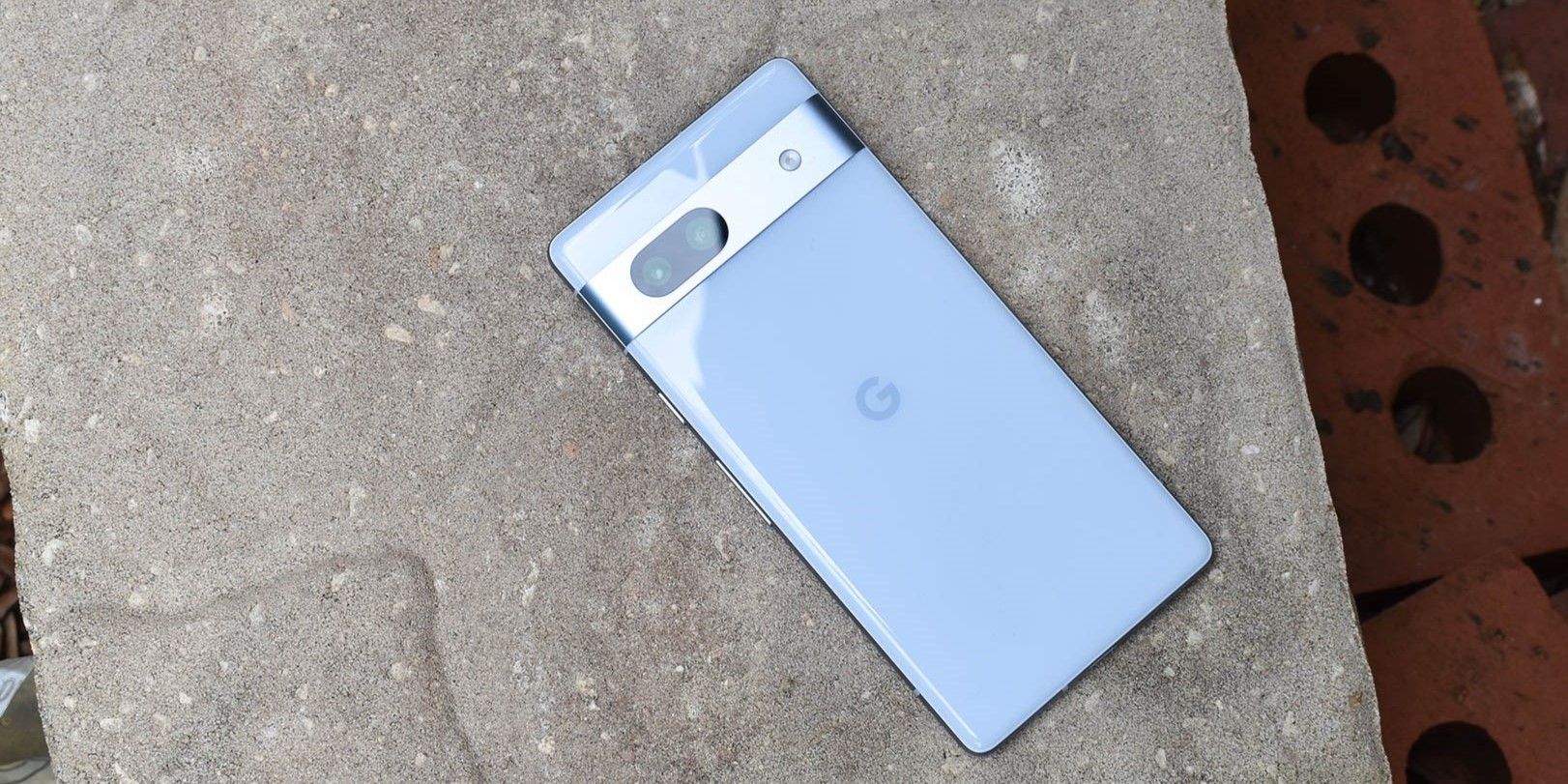
Google Pixel 10a: The AI Powerhouse
Launched on March 5, 2026, the Google Pixel 10a is perhaps the most direct competitor to the 17e. Starting at $499
, as confirmed by the Google Blog, it undercuts Apple’s pricing by $100 while offering a superior display experience.
The Pixel 10a features a 6.3-inch Actua display with a “Smooth Display” capability that ranges from 60Hz to 120Hz. This makes scrolling and animations experience significantly more fluid than on the 60Hz iPhone 17e. The Pixel 10a’s peak brightness reaches up to 3,000 nits, ensuring visibility in direct sunlight that exceeds the 1,200-nit typical peak of the 17e.
Samsung Galaxy A-Series (2026 Editions)
While Apple focuses on a single-lens setup for the 17e, Samsung’s mid-range offerings typically provide a more versatile camera array, including ultra-wide and macro lenses. For users who prioritize zoom and wide-angle photography, the Galaxy A-series remains the primary alternative, often pairing high-refresh-rate AMOLED screens with larger batteries than those found in the iPhone 17e.
Comparative Analysis: iPhone 17e vs. Pixel 10a
For a quick glance at how these two “budget flagships” compare, the following table highlights the primary hardware divergences.
| Feature | iPhone 17e | Google Pixel 10a |
|---|---|---|
| Starting Price | $599 | $499 |
| Display Refresh Rate | 60Hz | 60Hz – 120Hz |
| Peak Brightness | 1,200 nits (typical) | 3,000 nits (peak) |
| Base Storage | 256GB | 128GB (standard) |
| Chipset | A19 | Tensor G4 |
Who Should Choose Which Device?
The decision between the iPhone 17e and its Android rivals comes down to what you value most in a mobile experience. If you are deeply integrated into the Apple ecosystem—using iCloud, iMessage and Apple Watch—the iPhone 17e is an incredibly efficient tool. The A19 chip ensures that the phone will remain fast and supported with software updates for many years.

However, if you are looking for the best hardware for your money, the Android alternatives offer clear advantages. The transition to 120Hz displays on the Pixel 10a and Samsung’s A-series makes the iPhone 17e’s screen feel dated by comparison. The $100 price difference between the Pixel 10a and the iPhone 17e is a significant margin for budget-conscious consumers.
Key Takeaways for Buyers
- Choose the iPhone 17e if: You want the most reliable long-term software support, a high-quality single-lens camera, and the seamless integration of iOS 26.
- Choose the Pixel 10a if: You want a superior 120Hz display, advanced Google AI integration, and a lower entry price.
- Choose Samsung if: You need a versatile camera system with multiple lenses and prefer a larger screen footprint.
As we move further into 2026, the gap between “budget” and “premium” continues to shrink. Apple’s move to increase base storage to 256GB is a welcome change, but the refusal to bring ProMotion (120Hz) to the 17e remains a strategic decision to push users toward the more expensive Pro models.
The next major checkpoint for the smartphone market will be the late-2026 release cycle, where we expect further refinements to the Tensor and A-series chips. Until then, the Pixel 10a stands as the most compelling alternative for those seeking flagship-grade display tech without the flagship price tag.
Do you think a 60Hz screen is acceptable for a $599 phone in 2026? Let us know in the comments below or share this analysis with someone looking for a new device.