Puerto Rico health officials have confirmed the re-emergence of the dengue virus serotype DENV-3, a strain that had not been detected on the island for over 20 years. The Department of Health in Puerto Rico officially alerted the public to this development following surveillance data identifying the presence of the serotype, which poses potential risks to individuals who have not previously been exposed to this specific variant. According to the Centers for Disease Control and Prevention (CDC), monitoring shifts in circulating serotypes is critical for public health, as secondary infections with different strains can increase the risk of severe dengue complications.
The reappearance of DENV-3, which was last dominant in the region roughly two decades ago, changes the immunological landscape for the local population. Because dengue is caused by four distinct but closely related virus serotypes—DENV-1, DENV-2, DENV-3, and DENV-4—immunity to one does not provide lifelong protection against the others. Epidemiologists note that the introduction of a “new” serotype into a population with low pre-existing immunity often leads to an uptick in cases, as a larger segment of the public remains susceptible to the virus.
Understanding Dengue Transmission in Puerto Rico
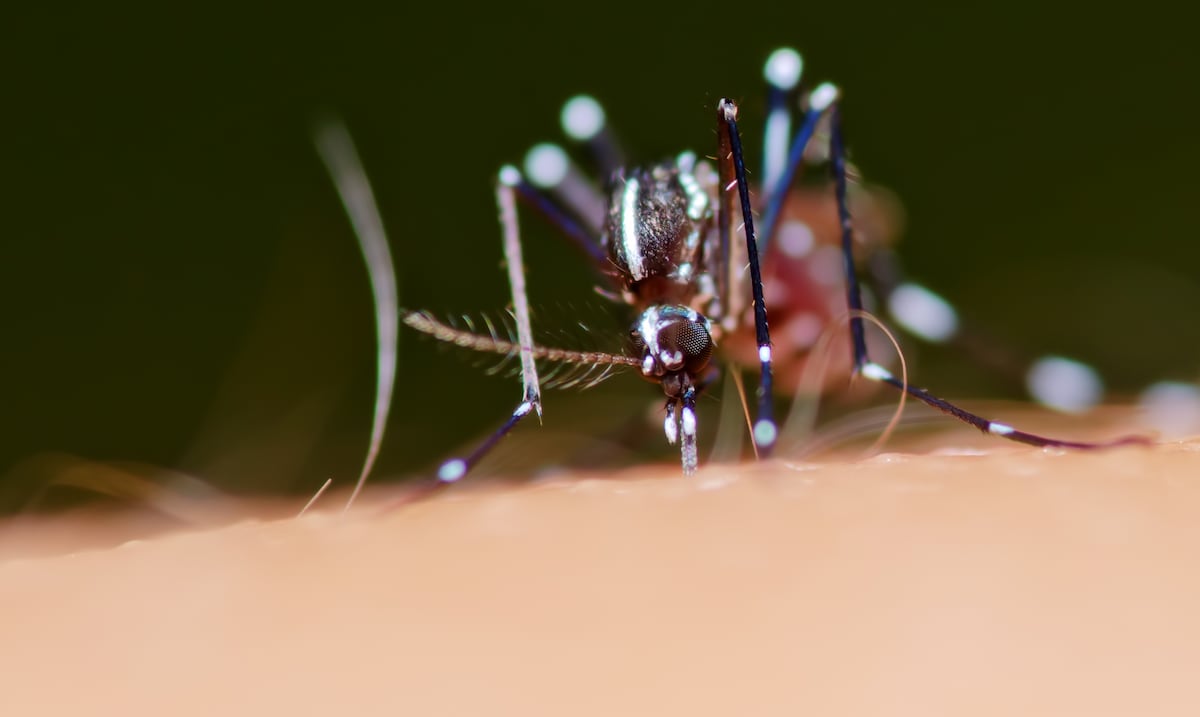
Dengue remains a persistent public health challenge in Puerto Rico, primarily transmitted through the bite of infected Aedes aegypti mosquitoes. These mosquitoes thrive in urban environments, often breeding in small containers of stagnant water found in residential areas. The CDC emphasizes that the virus cycle involves the mosquito biting an infected person and then passing the pathogen to others. Because the virus is endemic to the island, the Department of Health maintains year-round surveillance programs to track fluctuations in viral activity.

The arrival of DENV-3 requires heightened vigilance. While many dengue infections are asymptomatic or result in mild febrile illness, some patients develop severe symptoms, including high fever, severe headache, pain behind the eyes, joint and muscle pain, and rash. In rare cases, the condition can progress to severe dengue, characterized by plasma leakage, severe bleeding, or organ impairment. Public health officials urge residents to focus on source reduction—the elimination of mosquito breeding sites—as the primary defense against transmission.
Public Health Response and Prevention Measures
Following the identification of DENV-3, health authorities have reinforced protocols for clinical diagnosis and reporting. Medical providers in Puerto Rico are encouraged to maintain a high index of suspicion for dengue when patients present with acute febrile illness, especially given the circulation of multiple serotypes. Accurate laboratory testing is essential, as clinical symptoms alone are often indistinguishable from other mosquito-borne diseases like Zika or chikungunya, which also circulate in the Caribbean.

The Puerto Rico Department of Health continues to coordinate with municipal leaders to manage vector control initiatives. These efforts typically include:
- Regular monitoring of mosquito populations to identify hotspots.
- Public awareness campaigns focused on removing standing water from tires, buckets, and plant pots.
- Encouraging the use of EPA-registered insect repellents and protective clothing.
- Screening of blood donations to ensure the safety of the blood supply.
Why the Return of a Serotype Matters
The return of a serotype absent for over two decades is significant because it alters the herd immunity profile of the island. When a serotype is absent for a long period, the proportion of the population with protective antibodies against that specific variant declines. Consequently, the virus can circulate more efficiently. Historical data from the Pan American Health Organization (PAHO) suggests that the co-circulation of multiple serotypes is a known driver of dengue outbreaks in the Americas.

For the average resident, the advice from health authorities remains consistent: prioritize environmental sanitation around the home. By preventing the Aedes aegypti mosquito from breeding, residents can significantly lower the risk of infection for their families and communities. The Department of Health typically releases updated epidemiological reports on a weekly basis, providing the most current data on case counts and geographic distribution.
Residents are encouraged to monitor official communications from the Puerto Rico Department of Health for the latest updates regarding dengue activity and local advisories. If you suspect you have symptoms, consult a healthcare provider immediately and avoid self-medicating with non-steroidal anti-inflammatory drugs (NSAIDs) like ibuprofen or aspirin, as these can increase the risk of bleeding in dengue patients. For those interested in staying informed, the department’s website serves as the primary portal for official guidance and emergency updates.