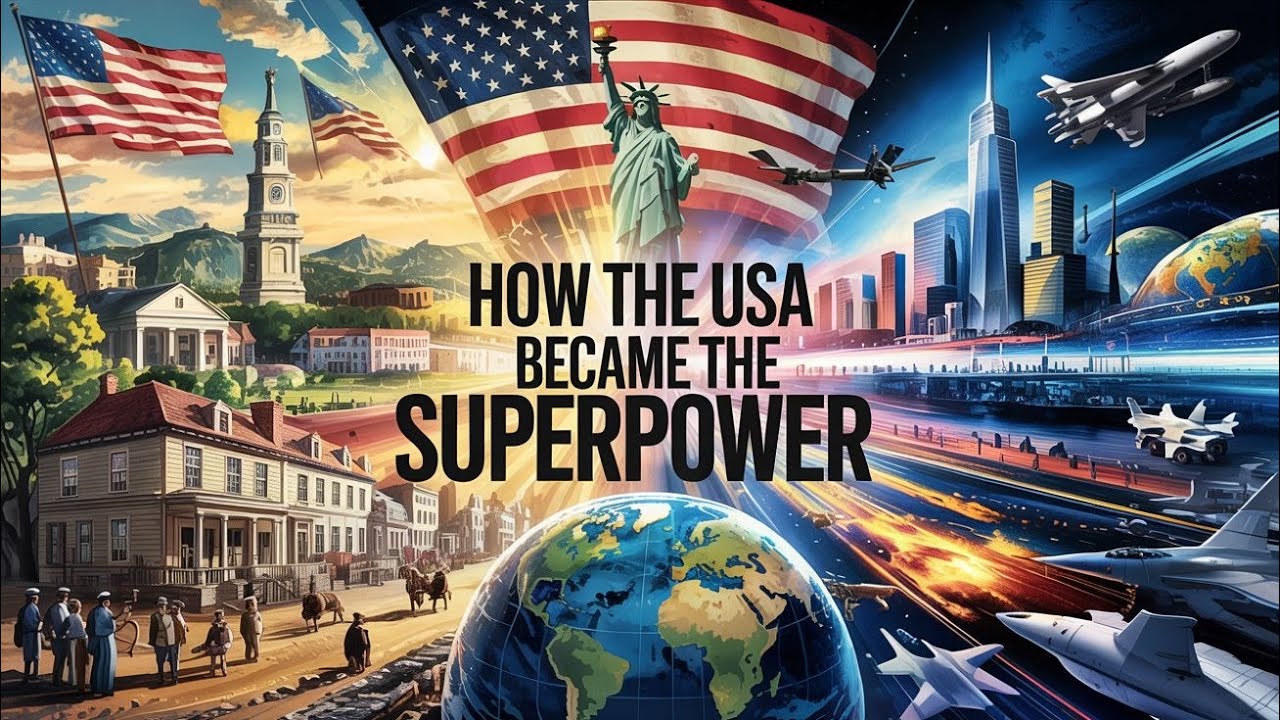
The United States’ position as a global leader—often referred to in geopolitical discourse as “G1″—remains a central topic of analysis for international policy experts and economic observers. While the term is frequently used in casual media to describe the nation’s singular influence in economic, military, and diplomatic spheres, academic and governmental bodies, such as the U.S. Department of State, focus on the complexities of maintaining this role through strategic alliances and multilateral cooperation.
As of mid-2024, the U.S. continues to hold the world’s largest nominal GDP, a primary indicator of its sustained economic prominence. According to data from the International Monetary Fund (IMF), the United States accounts for roughly 25% of global GDP, a figure that reinforces its status as a cornerstone of the international financial system. This economic standing is supported by a robust internal market and high levels of innovation in technology and energy sectors.
The Evolution of Global Leadership
The concept of a “G1” status is not a formal designation but a shorthand for the United States’ unique position following the end of the Cold War. Historians and policy analysts at the Council on Foreign Relations have noted that this role has transitioned from one of absolute hegemony to a model of “leading among peers.” The current international landscape is characterized by a shift toward multipolarity, where emerging economies play an increasingly significant role in shaping global trade regulations and environmental policies.

Maintaining this leadership requires addressing domestic challenges, including infrastructure modernization and education reform, which are frequently cited in White House policy briefings as essential for long-term competitiveness. The ability to remain the world’s most influential nation is no longer solely about military reach, but increasingly about soft power, technological standards, and the capacity to foster stable trade environments.
Digital Media and Cultural Exchange
The intersection of American cultural influence and global digital platforms often highlights the reach of U.S.-based media. Content creators and digital platforms, such as those hosting viral entertainment, contribute to the global visibility of American culture. While social media trends—ranging from viral wedding dances to independent content creation—often appear disconnected from high-level policy, they represent the “soft power” that characterizes the global cultural footprint of the United States.
Digital engagement metrics, tracked by platforms like YouTube, show that American-produced content remains the most consumed globally. This digital dominance serves as a conduit for American values, linguistic influence, and commercial interests, which in turn supports the perception of the U.S. as a central node in the global information network.
What Happens Next for Global Economic Standing
The next major checkpoint for assessing global economic health will be the release of the World Bank’s Global Economic Prospects report, which monitors development trends and the Federal Reserve’s upcoming policy adjustments. These official documents provide the verified data necessary to understand shifts in the global order. For observers, the focus remains on how the U.S. balances its domestic economic priorities with its international commitments to ensure stability in an interconnected world.

Readers interested in tracking these developments are encouraged to consult official portals for the most accurate, real-time data. We invite you to share your thoughts on the evolving nature of global leadership in the comments section below.