
Defense Secretary Pete Hegseth faced a grueling six-hour interrogation during his first appearance before Congress since the United States entered into a conflict with Iran. Appearing before the House Committee on Armed Services on Wednesday, April 29, 2026, Hegseth was pressed by skeptical lawmakers over the mounting financial and human costs of a war waged without formal congressional approval.
Whereas the hearing was ostensibly scheduled to discuss the Department of Defense’s Fiscal Year 2027 budget proposal, the proceedings were dominated by the realities of the ongoing war. The tension in the room mirrored the volatility of the conflict itself, as Democratic lawmakers grilled the Secretary and General Dan Caine, chairman of the Joint Chiefs of Staff, on the strategic direction and the ballooning expenses of the military operation.
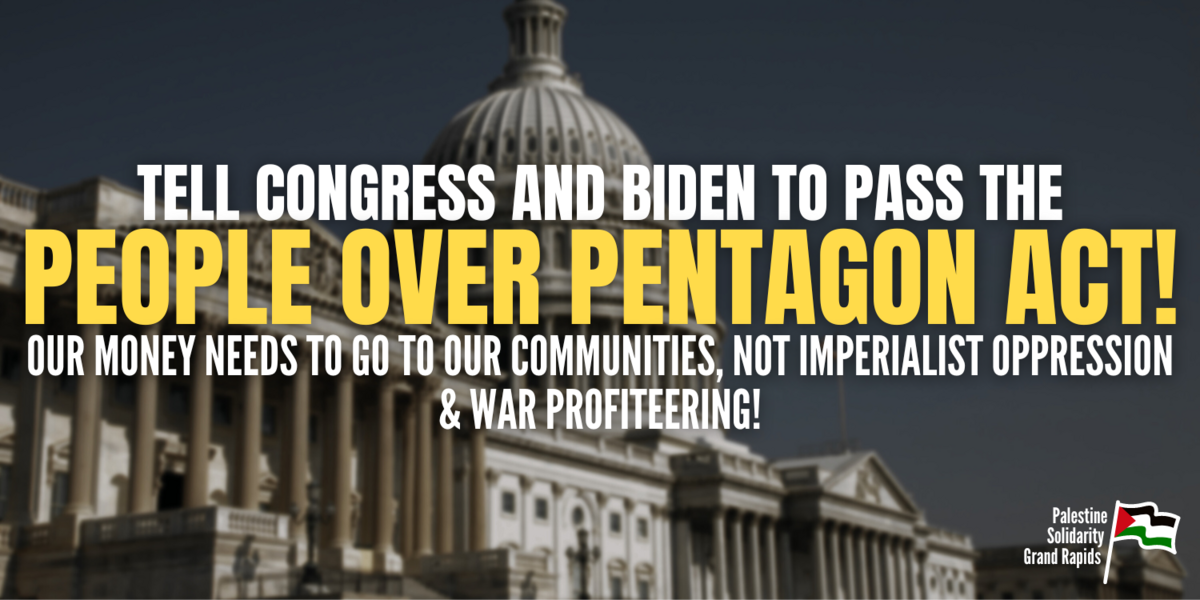
At the center of the dispute is a staggering financial toll. According to figures presented by the Pentagon’s comptroller during the hearing, the war against Iran has already cost approximately $25 billion, with the largest portion of those expenditures attributed to munitions. This spending comes as the administration seeks a historic increase in overall defense spending, proposing a military budget of $1.5 trillion for the 2027 fiscal year.
The Financial and Material Cost of Conflict
The revelation of the $25 billion price tag sparked immediate backlash from committee members who questioned the sustainability of the operation. Lawmakers expressed particular concern over the “huge drawdown” of critical U.S. Munitions, suggesting that the intensity of the conflict may be depleting stockpiles necessary for other global security commitments.
The economic impact extends beyond the U.S. Treasury. The conflict has triggered global economic turmoil, largely since Iran has choked vessel traffic through the Strait of Hormuz since the beginning of the war. This strategic bottleneck is vital for global energy markets and the disruption has added a layer of international economic pressure to the domestic budgetary debate.
Republicans on the committee largely voiced their support for the Iran operation, focusing their inquiries on the technical details of the military budgeting process. However, the divide between the two parties became stark as the hearing progressed, shifting from a discussion of numbers to a debate over the legitimacy and morality of the war.
Strategic Justifications vs. Human Toll
Secretary Hegseth defended the mission as a necessity for national security. In his opening remarks, he characterized the conflict as an “existential fight for the safety of the American people,” asserting that “Iran cannot have a nuclear bomb” and stating that the administration is “proud of this undertaking.”
However, this strategic justification was met with sharp criticism regarding the war’s execution. Democratic lawmakers pressed Hegseth for answers regarding the bombing of a school that resulted in the deaths of children. The incident has become a focal point for critics who argue that the administration’s military strategy lacks sufficient oversight and precision.
The timeline of the conflict has also arrive under scrutiny. At the onset of the war, President Donald Trump claimed the conflict would be resolved within a matter of weeks. By the time of the April 29 hearing, Hegseth noted the U.S. Was “two months in,” highlighting a growing gap between the administration’s initial projections and the reality of a protracted engagement.
Political Friction and the ‘Defeatist’ Rhetoric
The hearing was marked by high levels of animosity, with Hegseth frequently dismissing the concerns of his interrogators as purely political. In one of the most contentious exchanges of the day, Hegseth rebuked lawmakers who pushed for specific answers regarding the war’s costs and the ouster of several top military leaders.
Hegseth did not mince words when describing his critics, stating, “The biggest challenge, the biggest adversary we face at this point are the reckless, feckless and defeatist words of congressional Democrats and some Republicans.”
This combative tone underscored a deeper constitutional tension: the administration’s decision to wage a costly war without explicit congressional approval. Lawmakers questioned not only the costs but also the shifting justifications provided for the conflict and the nature of President Trump’s dealings with international allies during the crisis.
Key Takeaways from the House Armed Services Hearing
- Financial Expenditure: The war with Iran has cost the U.S. Approximately $25 billion to date, primarily driven by munitions costs.
- Budget Proposal: The Pentagon is requesting a historic $1.5 trillion for the Fiscal Year 2027 military budget.
- Strategic Impact: Iran’s restriction of vessel traffic in the Strait of Hormuz has caused significant global economic instability.
- Humanitarian Concerns: Lawmakers raised alarms over the bombing of a school and the resulting child casualties.
- Political Divide: Secretary Hegseth characterized congressional skepticism as “reckless” and “defeatist,” while Democrats questioned the lack of congressional approval for the war.
As the Department of Defense moves forward with its $1.5 trillion budget request, the fallout from the Iran conflict is likely to remain the primary point of contention in Capitol Hill. The tension between the executive branch’s pursuit of a nuclear-free Iran and the legislative branch’s concern over “ballooning costs” suggests a challenging road ahead for the 2027 budget approval process.
The next major checkpoint for the administration will be the continued deliberations of the House Committee on Armed Services regarding the FY2027 budget request and potential follow-up hearings on the munitions drawdown.
Do you believe the current defense budget accurately reflects the needs of U.S. Global security? Share your thoughts in the comments below or share this article to join the conversation.
Worth a look