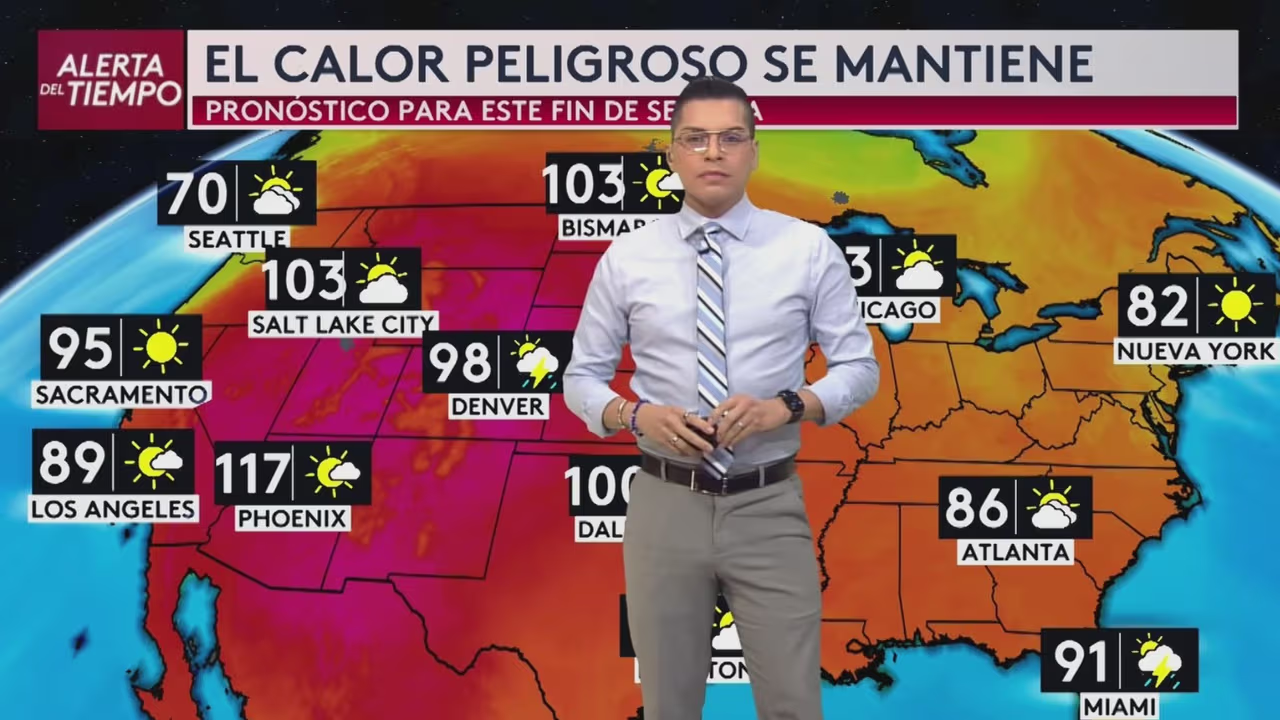
A dangerous heat wave is currently gripping vast portions of the United States, threatening more than 100 million residents with extreme temperatures reaching triple digits in major metropolitan areas like Phoenix. According to the National Weather Service, persistent high-pressure ridges have trapped hot air over the southwestern and central plains regions, prompting widespread excessive heat warnings and advisories across multiple states. Meteorologists report that daytime highs are climbing well past normal seasonal averages, creating hazardous conditions for outdoor workers, vulnerable populations, and local power grids.
The severe weather event has forced local municipal governments to open emergency cooling centers and issue strict public health alerts. Public health officials urge residents to limit outdoor activities during peak afternoon hours, stay hydrated, and check on elderly neighbors who face heightened risks of heat-related illnesses. Transportation authorities have also warned of potential rail warping and asphalt degradation as pavement temperatures soar significantly higher than air temperatures.
As the dome of high pressure remains entrenched, forecasters anticipate that the oppressive conditions will persist through the end of the week. Emergency management agencies continue to monitor power consumption metrics closely to prevent rolling blackouts driven by surging air conditioning demand. Residents in affected zones are advised to consult local emergency management portals for real-time updates on cooling shelter locations and safety guidelines.
Understanding the Mechanics of the Extreme Heat Dome
The current meteorological phenomenon is driven by a sprawling ridge of high pressure, often referred to by climatologists as a heat dome. This atmospheric trap forces sinking air downward, which compresses and heats up significantly while blocking cloud formation and precipitation. According to data from the National Oceanic and Atmospheric Administration, these persistent atmospheric blocking patterns allow solar radiation to bake the underlying terrain day after day without relief.
Urban centers face amplified dangers due to the urban heat island effect, where concrete, asphalt, and buildings absorb solar radiation during the day and slowly release it at night. In cities like Phoenix and Las Vegas, overnight low temperatures are failing to drop below dangerous thresholds, depriving bodies of the necessary recovery time during sleep. Public health experts note that consecutive days of high heat without overnight cooling dramatically increase hospital admissions for heat stroke and exhaustion.
Infrastructure systems across the affected corridor are operating under extreme strain. Electric utilities have reported record-breaking electricity demand as residents run cooling units at maximum capacity. Grid operators maintain that sufficient reserves are currently available, but they have requested voluntary energy conservation during peak evening hours to stabilize regional power transmission networks.
Public Health Impacts and Emergency Response Measures
State and local health departments have mobilized emergency response protocols to protect vulnerable communities, including low-income households without reliable air conditioning and unhoused populations. Municipalities have designated public libraries, community centers, and specialized facilities as air-conditioned sanctuaries during daytime hours. Transit authorities in several major cities have offered free or discounted rides for residents traveling to designated cooling locations.
Emergency medical services report a notable spike in call volumes related to heat exhaustion and dehydration. Medical professionals emphasize that high humidity levels in certain sub-regions exacerbate the danger by preventing human sweat from evaporating efficiently. Occupational safety regulators have stepped up workplace inspections to ensure that agricultural, construction, and delivery employers comply with mandatory rest breaks and hydration requirements.
Local authorities continue to provide round-the-clock updates through official municipal channels. Residents seeking shelter locations or emergency assistance can access real-time advisories via the Federal Emergency Management Agency and local public safety websites.
Next Steps and Official Monitoring
Meteorological models indicate that the high-pressure system will begin a slow eastward shift by the weekend, potentially bringing slight temperature relief to the Southwest while intensifying conditions in the central plains. The National Weather Service will issue updated regional forecasts and severe weather advisories as the atmospheric pattern evolves.
We invite our readers to share their local observations or questions in the comments section below. For ongoing updates and official safety bulletins, please monitor local municipal announcements and emergency management portals.
Related reading