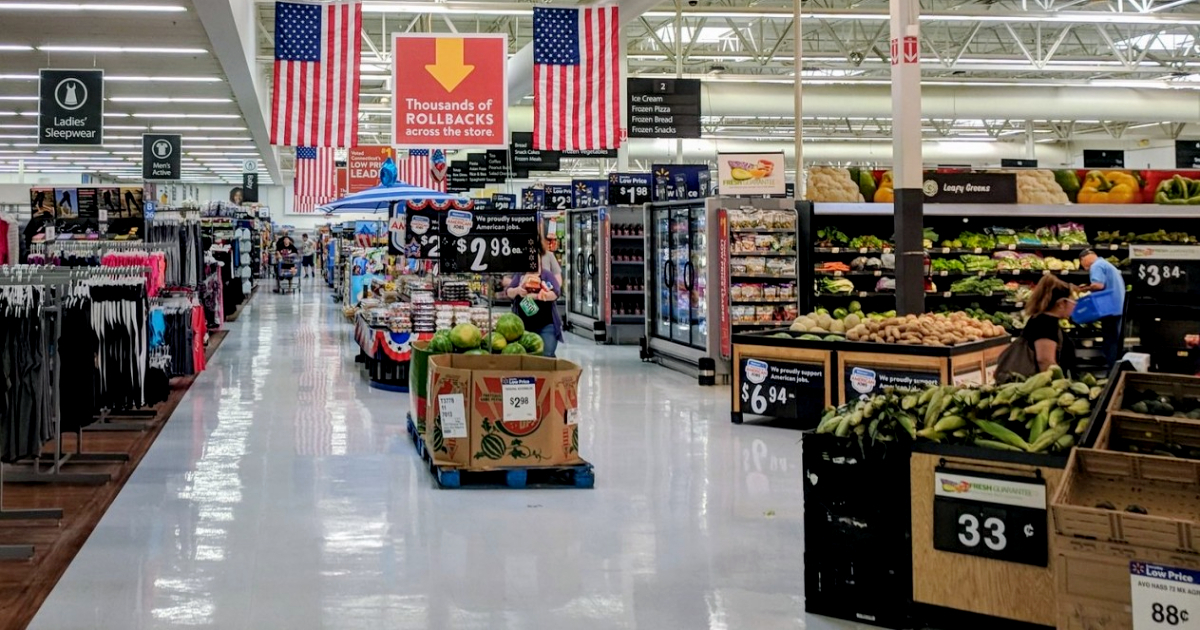
Food inflation across the United States has reached historic milestones, driving households to stretch grocery budgets and rely increasingly on credit to cover basic nutritional needs. According to data tracked by the U.S. Bureau of Labor Statistics (BLS), surging costs for everyday staples like meat, dairy, eggs, and produce have placed severe financial pressure on millions of American families. While headline inflation has cooled from its post-pandemic peaks, the cumulative toll of sustained high food prices continues to reshape household spending patterns nationwide.
The persistent escalation in grocery bills forces many consumers to make difficult tradeoffs between buying nutritious food and paying down mounting debt. Financial counselors and consumer advocacy groups report a sharp uptick in clients falling behind on credit card payments as grocery expenses consume a larger share of take-home pay. For families juggling multiple dependents, the rising cost of feeding a household leaves little room for unexpected expenses or emergency savings.
Economists point to a complex mix of supply chain disruptions, elevated labor costs, transportation expenses, and global commodity pressures as drivers of the sustained price increases. Although wholesale agricultural markets have shown intermittent periods of stabilization, retail prices have largely remained elevated. This disconnect between farm-gate prices and supermarket checkouts continues to draw scrutiny from policymakers and consumer watchdogs tracking the economic health of working-class households.
Drivers Behind Sustained Grocery Price Pressures
The structural shifts in food pricing stem from a combination of production and distribution bottlenecks that have accumulated over recent years. According to federal economic reports, agricultural producers face higher expenses for feed, fertilizer, machinery, and farm labor. These upstream costs inevitably filter down to food processors and distributors, who pass the increases on to grocery retailers and ultimately consumers.
Climate factors and weather anomalies in major agricultural regions have also disrupted harvests for key produce categories, reducing supply and pushing up market prices. Water scarcity in the American West and severe weather events across the Midwest have impacted crop yields for fruits, vegetables, and grain production. These environmental pressures add another layer of volatility to food supply chains that are already operating under heightened strain.
Energy and transportation costs remain a vital component of food pricing. Moving goods from farms and manufacturing plants to supermarket shelves requires vast amounts of fuel. Fluctuations in diesel prices and freight hauling rates directly influence the final cost paid by shoppers at the cash register, linking grocery inflation closely to broader energy market trends.
Household Financial Strain and Credit Reliance
As grocery bills claim a larger portion of household income, consumer borrowing has risen markedly. Federal Reserve data on revolving consumer credit indicates that many families rely on credit cards to bridge the gap between paychecks and essential living expenses. Carrying balances month-to-month incurs substantial interest charges, compounding long-term financial distress for vulnerable borrowers.
Low- and middle-income households bear the heaviest burden of food inflation because groceries represent a much larger percentage of their overall monthly budget compared to higher-income earners. Community food banks and charitable pantries report sustained high demand across the country, reflecting ongoing economic strain even as broader macroeconomic indicators show job growth and wage gains.
Financial advisors recommend that consumers facing severe budget crunches review spending patterns, prioritize high-interest debt payments, and utilize local community resources such as food pantries or nutritional assistance programs when necessary. For official updates on consumer price trends and economic data releases, visitors can consult the U.S. Bureau of Labor Statistics.
Official Data and Economic Outlook
The Bureau of Labor Statistics releases monthly updates on the Consumer Price Index (CPI), detailing price movements across major spending categories including food at home and food away from home. Analysts use these figures to gauge the purchasing power of consumers and anticipate monetary policy adjustments by the Federal Reserve.
While some categories have experienced price moderation, structural expenses in the food sector suggest that relief for consumers may materialize gradually. Monitoring future CPI reports and agricultural outlook projections issued by the U.S. Department of Agriculture provides a clearer picture of market trajectories.
The next Consumer Price Index report from the Bureau of Labor статистики is scheduled for release on the upcoming monthly reporting date. Readers are encouraged to share their perspectives on managing household budgets amid rising costs in the comments below.
Keep reading