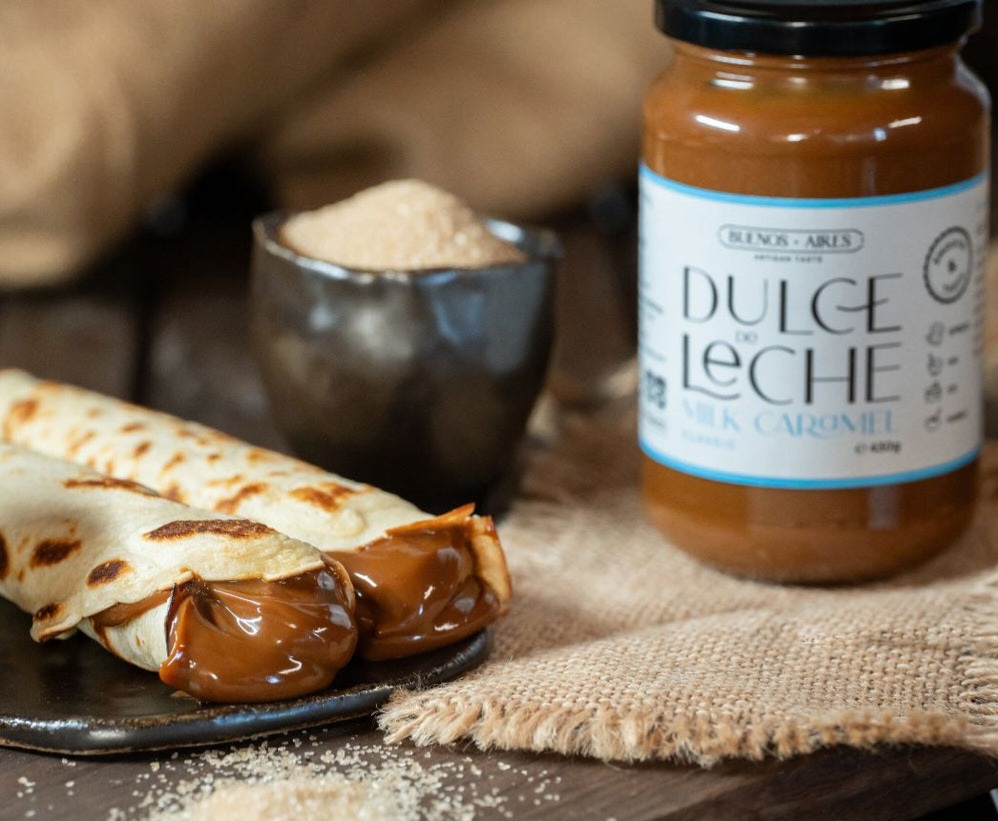
In the rolling grasslands of the western Buenos Aires province, where the agricultural heartland of Argentina meets a deep-seated tradition of livestock farming, the town of Salliqueló serves as a quiet bastion of artisanal quality. Here, the intersection of fertile soil and generational expertise has fostered a dairy culture that prioritizes flavor and texture over the industrial scale of mass production.
Among the local producers, Lácteos San Francisco Salliqueló has emerged as a representative of this commitment to traditional craftsmanship. By focusing on the meticulous selection of raw materials and artisanal processing, the creamery produces staples that are deeply embedded in the Argentine culinary identity—most notably its cheeses and the iconic dulce de leche.
For global observers of the “slow food” movement and artisanal agriculture, the operations in Salliqueló offer a glimpse into how regional producers maintain competitiveness against global conglomerates. By positioning their products as a premium choice for families, Lácteos San Francisco leverages the reputation of the Buenos Aires province’s dairy belt to ensure a standard of quality that transcends the local market.
The Geographic Advantage of Salliqueló
The success of any dairy operation begins with the quality of the milk, and the location of Salliqueló provides a significant strategic advantage. Situated in the western reaches of the Province of Buenos Aires, the region is characterized by vast pastures that support healthy cattle and high-quality milk production.

This geographic positioning allows Lácteos San Francisco to source raw materials that are essential for the production of high-fat, rich dairy products. In the world of artisanal cheese and sweets, the purity and freshness of the milk directly impact the final consistency and taste profile. By operating within this agricultural hub, the creamery minimizes the distance between the farm and the production facility, preserving the integrity of the ingredients.
The local economy of Salliqueló is intrinsically linked to these land-based industries. The synergy between local farmers and artisanal processors creates a sustainable loop that supports regional employment and preserves the traditional landscape of the Argentine pampas.
Artisanal Craftsmanship: Cheese and Dulce de Leche
At the core of the Lácteos San Francisco catalog are two pillars of Argentine gastronomy: artisanal cheeses and dulce de leche. While industrial versions of these products are available in every supermarket across Latin America, the artisanal approach used in Salliqueló focuses on “unmistakable flavor” and a “perfect texture.”
The production of dulce de leche—a thick, caramel-like milk jam—requires a delicate balance of heat and time. The artisanal method involves slow-cooking milk and sugar, a process that allows for a deeper caramelization and a smoother mouthfeel than the rapid-heating methods used in large-scale factories. According to the company’s own specifications, this process results in a product ideal for breakfasts, cakes, and various sweet dishes via Lácteos San Francisco.
Similarly, the cheese production at Lácteos San Francisco is designed to compete among the best in the country. By avoiding the heavy use of additives and focusing on traditional coagulation and aging processes, the creamery produces cheeses that retain the natural nuances of the pasture-fed milk. This focus on “selected raw materials” ensures that the final product meets the expectations of consumers seeking a gourmet experience over a commercial one.
The Role of Family-Centric Quality in Modern Markets
In an era of highly processed foods, Lácteos San Francisco has carved out a niche by appealing to the family unit. The company’s branding emphasizes the idea of choosing “the best for the family,” a strategy that aligns with a growing global trend toward transparency in food sourcing and a return to traditional eating habits.
This shift is not merely a marketing tactic but a response to a change in consumer behavior. Today’s buyers are increasingly interested in the “story” behind their food—where it comes from, who made it, and how it was produced. By highlighting their roots in Salliqueló and their artisanal methods, Lácteos San Francisco transforms a simple dairy product into a cultural artifact of the Buenos Aires province.
The impact of this approach extends beyond the consumer. It validates the role of the small-scale producer in the global supply chain, proving that quality and authenticity can serve as powerful differentiators in a crowded marketplace. The commitment to “artisanal and quality production” allows the brand to maintain a loyal customer base that values taste and tradition over the convenience of mass-market alternatives.
Key Product Characteristics
| Product | Primary Attribute | Recommended Use |
|---|---|---|
| Dulce de Leche | Unmistakable flavor and smoothness | Breakfasts, cakes, and desserts |
| Artisanal Cheeses | Selected raw materials, high quality | Gourmet platters, family meals |
As the dairy industry continues to evolve, the balance between technological efficiency and traditional taste remains a central challenge. For producers like those in Salliqueló, the path forward involves embracing the “artisanal” label not as a limitation, but as a premium standard. By maintaining the integrity of their processes, they ensure that the culinary heritage of western Buenos Aires remains vibrant and accessible.

The next milestone for regional producers in the area will be the continued expansion of distribution channels to bring these artisanal products to a wider international audience, potentially through specialized gourmet exports.
We invite our readers to share their experiences with artisanal Argentine products in the comments below or share this story with those passionate about global food traditions.
Keep reading