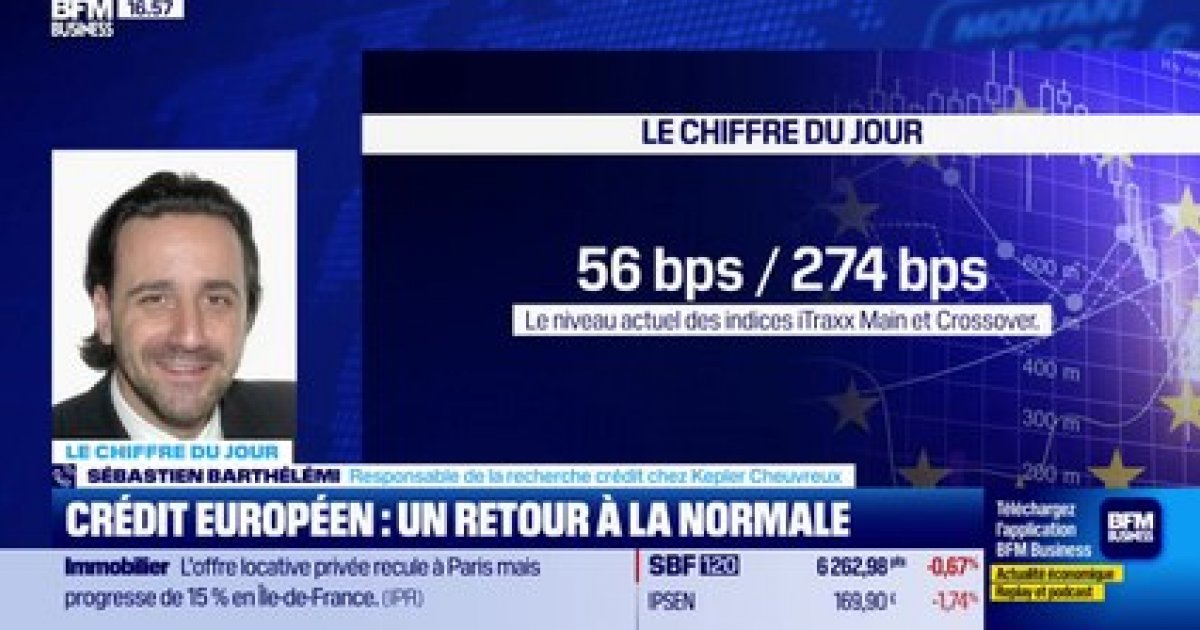
The European credit landscape is witnessing a pivotal transition. After a period of aggressive monetary tightening designed to curb runaway inflation, the Eurozone is seeing a gradual “return to normal” in credit conditions. This stabilization marks a shift from the volatility of the early 2020s toward a more predictable borrowing environment for both households and corporations.
For the past several years, the European Central Bank (ECB) maintained a rigorous stance, raising interest rates to historic levels to stabilize prices across the member states. While these measures were necessary to combat inflation, they created a restrictive credit environment that dampened investment and increased the cost of debt servicing for millions. Today, the narrative is shifting toward normalization—a process where credit rates align more closely with long-term economic growth targets rather than emergency inflation control.
This normalization is not a return to the “zero-interest” era of the previous decade, but rather a movement toward a sustainable equilibrium. For businesses and consumers, this means a reduction in the uncertainty that has plagued financial planning since 2022. As lending standards stabilize, the focus is shifting from survival and debt management to strategic growth and sustainable investment.
The Mechanics of European Credit Normalization
The “return to normal” in European credit is primarily driven by the European Central Bank’s (ECB) monetary policy pivot. After a cycle of rapid rate hikes, the ECB has begun to calibrate its policy to balance inflation targets with the need to support economic activity. When the central bank signals a pause or a reduction in the main refinancing operations rate, commercial banks typically follow suit by adjusting their lending rates.
Credit normalization occurs in stages. First, the market anticipates a peak in rates, which stabilizes long-term bond yields. Second, commercial banks begin to ease the stringent lending criteria that were implemented during the period of high volatility. Finally, the actual cost of borrowing—the interest rates offered to the end consumer—begins to plateau or decline. This sequence reduces the “risk premium” that banks previously added to loans to protect themselves against unpredictable market swings.
This process is essential for the Eurozone’s economic health. High borrowing costs act as a brake on the economy; by normalizing these rates, the ECB allows for a more natural flow of capital into productive sectors. This is particularly critical for the transition to a green economy, where massive capital expenditures are required for energy infrastructure and sustainable technology.
Impact on Mortgage Markets and Household Debt
For the average European citizen, the return to normalcy is most visible in the housing market. The surge in mortgage rates over the last few years led to a significant cooling of real estate prices and a drop in new loan applications across major markets, including France, Germany, and Spain.
As credit conditions normalize, several key developments are emerging:
- Stabilization of Fixed-Rate Mortgages: Homebuyers are seeing more consistent offers from lenders, reducing the “rate shock” experienced during the peak of the tightening cycle.
- Increased Refinancing Activity: As rates dip from their peaks, homeowners who took out high-interest loans during the transition period are beginning to explore refinancing options to lower their monthly payments.
- Improved Loan Accessibility: Banks are slightly relaxing the loan-to-value (LTV) requirements that became overly restrictive during the inflation crisis, allowing a broader segment of the population to enter the property market.
However, the “new normal” remains higher than the historic lows of 2015–2021. This means that while the volatility has subsided, affordability remains a challenge. Households are now operating in an environment where debt must be managed with greater discipline, as the era of “free money” has effectively ended.
Corporate Borrowing and the SME Recovery
Modest and Medium Enterprises (SMEs), which form the backbone of the European economy, were among the hardest hit by the restrictive credit phase. Unlike large corporations, which can issue corporate bonds to raise capital, SMEs rely heavily on bank loans. High interest rates increased their operational costs and limited their ability to invest in innovation.
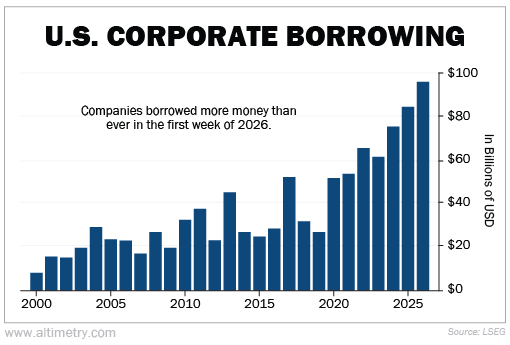
The current trend toward credit normalization is providing a much-needed lifeline for these businesses. With borrowing costs stabilizing, SMEs are finding it easier to secure working capital and investment loans. This is crucial for maintaining employment levels and fostering competitiveness within the Single Market.
the normalization of credit is encouraging a shift in corporate strategy. During the high-rate period, many companies focused exclusively on cost-cutting and debt reduction. With the return of predictable credit rates, there is a renewed appetite for capital expenditure (CapEx), particularly in digitalization and automation. This shift is vital for the Eurozone to close the productivity gap with other global economic powers.
Key Indicators of Credit Stabilization
| Indicator | Restrictive Phase (Peak) | Normalization Phase (Current) | Economic Impact |
|---|---|---|---|
| Lending Standards | Highly stringent; high rejection rates | Moderating; focused on risk-based pricing | Increased credit flow to SMEs |
| Interest Rate Volatility | Rapid, unpredictable monthly hikes | Plateauing with gradual adjustments | Better long-term financial planning |
| Mortgage Demand | Sharp decline in new applications | Gradual recovery in volume | Stabilization of real estate prices |
| Corporate Investment | Focused on debt servicing/survival | Return to strategic CapEx | Enhanced long-term productivity |
Risks to the Normalization Process
While the trajectory suggests a return to stability, the path to normalization is rarely linear. Several systemic risks could disrupt this trend and push credit conditions back into restrictive territory.

The primary risk remains “sticky” inflation. If inflation in the Eurozone fails to settle at the ECB’s 2% target, the central bank may be forced to maintain higher rates for longer than the market expects. This would prevent credit rates from falling and could potentially lead to a new round of tightening, erasing the gains made in normalization.

Geopolitical instability also plays a significant role. Energy price shocks—driven by conflicts or trade disruptions—can trigger sudden inflationary spikes. Because the Eurozone is heavily dependent on imported energy, any volatility in global commodity markets directly impacts the ECB’s decision-making process, which in turn affects the cost of credit for every borrower in the region.
Finally, there is the risk of financial instability within the banking sector itself. If a significant number of loans become non-performing (NPLs) due to the lagged effects of previous rate hikes, banks may respond by tightening lending standards again to protect their balance sheets, regardless of what the ECB does with its base rates.
What This Means for the Future of the Eurozone
The return to normal in European credit is more than just a change in percentages; it is a psychological shift for the economy. For years, the overarching theme has been one of caution, restriction, and inflation-fighting. The shift toward normalization signals a return to a growth-oriented mindset.
For investors, this environment is more attractive. Predictable credit costs allow for more accurate valuation of assets and a more stable environment for Foreign Direct Investment (FDI). For the general public, it provides a sense of financial predictability that had been missing since the onset of the global pandemic and the subsequent inflation crisis.
As we move forward, the definition of “normal” will continue to evolve. The Eurozone is moving toward a structural model where credit is available and stable, but not artificially cheap. This transition is healthy for the long-term economy, as it encourages more efficient capital allocation and reduces the risk of asset bubbles in the housing market.
The next confirmed checkpoint for the European credit market will be the next scheduled monetary policy meeting of the European Central Bank, where updates on interest rate trajectories and inflation forecasts will be released. These decisions will determine whether the current normalization trend continues or if further adjustments are required.
Do you believe the current credit stabilization is sufficient to spark a broader economic recovery in Europe? Share your thoughts in the comments below or share this analysis with your professional network.
Related reading