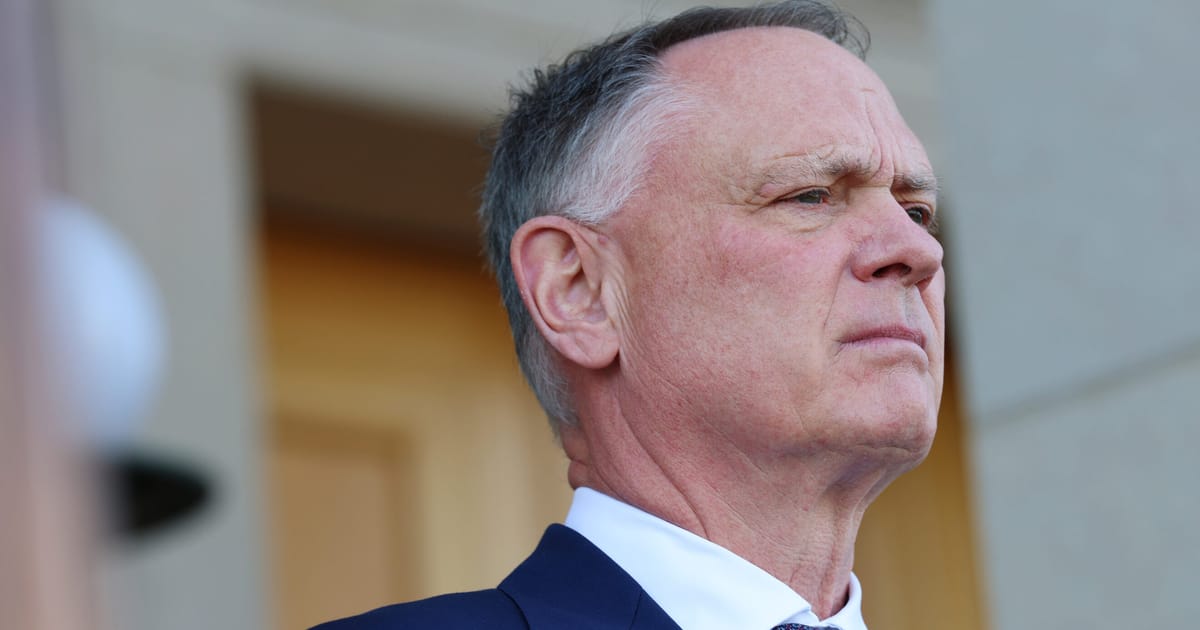
Prime Minister Andy Burnham kickstarted his programme to ease the cost of living for millions of Britons by removing value-added tax from household electricity bills. The policy, taking effect October 1, is estimated to cost the government about £850 million ($1.143 billion) in the current UK financial year, according to government statements.
John Healey Takes the Treasury After Defence Resignation
The appointment of John Healey as chancellor surprised financial markets, which were largely steady following the cabinet announcement. Official data from the Office for National Statistics showed public sector net borrowing at £16 billion in June, down one third from a year earlier.
Reacting to the data, Healey said fiscal control is the first duty of any finance minister, emphasizing that credibility serves as the bedrock for economic stability and national security.
Wes Streeting Takes Defence Brief as Spending Pressures Mount
Wes Streeting has assumed the role of Secretary of State for Defence, stepping into a department three weeks into delivering its Defence Investment Plan.

Discussing funding targets during international meetings, Streeting said that he feels like a firm friend is now stationed in His Majesty’s Treasury. He stressed the necessity of proving that public funds are spent wisely.
“to show that we understand the sacrifices that involves from other Government departments, in terms of opportunity costs of other things we might fund.”
Wes Streeting, Defence Secretary, via Briefs
Canada Pushes UK to Join Global Defence Bank
With roughly £4.7 billion of the previously announced defence spending plan remaining unfunded, attention has turned to alternative financing mechanisms. Former defence secretaries have backed using defence bonds to raise funds, an approach previously considered under Healey.
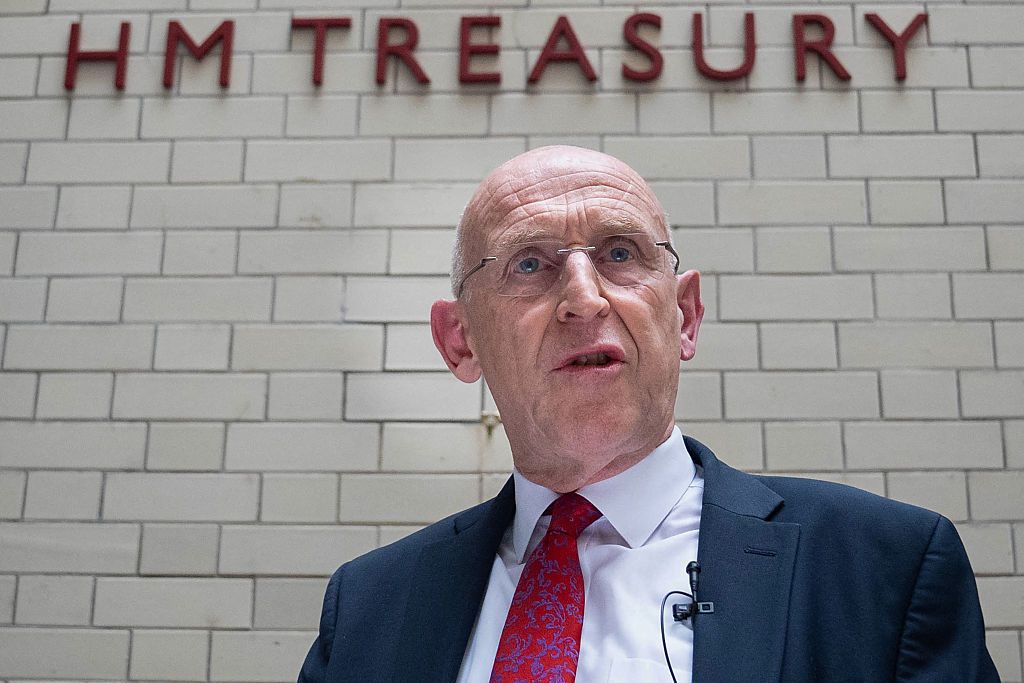
Proponents have also revived a push for Britain to join Canada’s Defence, Security and Resilience Bank, a global banking scheme designed to raise £100 billion through AAA-rated capital and loans. Former Chancellor Rachel Reeves had previously resisted UK membership due to borrowing rules, but the departure of Reeves from No. 11 leaves the proposal open to reconsideration under Healey.
Canadian officials have advocated for alignment between British and Canadian funding schemes. David McGuinty argued that combining the efforts of both nations represents smart public finance for supporting small and medium enterprises in the defense sector.
“Personally, I don’t think it’s as productive having two separate mechanisms, and I think this is a wonderful opportunity for the U.K. and Canada to align on this front. So, I’m hopeful.”
David McGuinty, via POLITICO
Market Response and Wider Cabinet Shifts
Defence shares in London rose following the cabinet changes, with Babcock shares climbing 7.8 percent, BAE Systems lifting 3.25 percent, and Qinetiq moving 4 percent higher on investor hopes for increased sector investment. Dan Coatsworth, head of markets at AJ Bell, noted that defense stocks motored higher given Healey’s history of pushing for higher military spending.
Alongside the Treasury and Defence appointments, Prime Minister Burnham restructured parts of Whitehall by abolishing the Department for Science, Innovation and Technology, merging its responsibilities into the business department and appointing an attending AI minister, Kanishka Narayan.
Worth a look