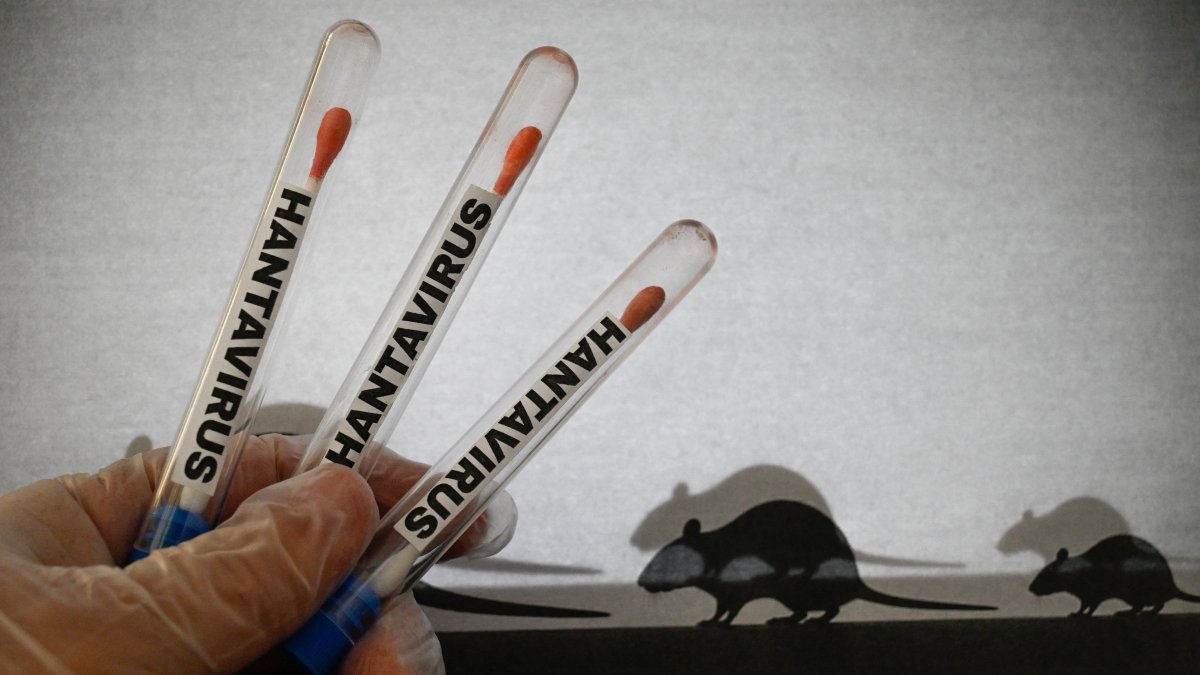
Texas health officials are currently monitoring two residents who were passengers aboard the MV Hondius, a cruise ship that experienced an outbreak of hantavirus while traveling in the Atlantic Ocean. The notification came via the Centers for Disease Control and Prevention (CDC), prompting the Texas Department of State Health Services (DSHS) to establish contact with the individuals to assess their health status.
The two residents returned to the United States before the outbreak on the vessel was officially identified. According to a statement released on Thursday, May 7, 2026, public health workers have confirmed that both individuals are currently asymptomatic and reported no direct contact with any sick persons during their time on the ship via KBTX.
While the situation in Texas remains stable, the incident has triggered a broader international public health effort. The outbreak on the MV Hondius has led to the tracking of passengers across at least four continents, as health authorities scramble to conduct contact tracing for those who disembarked before the risks were fully understood.
Global Tracking and the Scope of the Outbreak
The scale of the potential exposure is significant. More than two dozen passengers originating from at least 12 different countries left the MV Hondius without initial contact tracing, occurring nearly two weeks after the first passenger died on board via KBTX. These passengers disembarked on April 24, creating a window of time where potentially exposed individuals entered various global populations undetected.
The monitoring effort is not limited to Texas. Health authorities in Georgia are also monitoring two residents who were on the ship, according to reports from affiliate WTOC. The coordinated response involves multiple national health agencies working to identify anyone who may have come into contact with infected passengers since the April disembarkation.
Understanding the Andes Virus
The specific strain identified in the MV Hondius outbreak is the Andes virus. While most hantaviruses are typically spread through contact with the droppings, urine, or saliva of wild rodents, the Andes virus is notable for its rare ability to spread from person to person. This transmission, however, is limited and typically requires close and prolonged contact with an individual who is actively sick with the disease via KBTX.
Because of this specific transmission capability, the World Health Organization (WHO) and the Centers for Disease Control and Prevention (CDC) treat such outbreaks with heightened caution. The ability for a rodent-borne virus to jump between humans, even in limited circumstances, increases the complexity of containment and the necessity of rigorous contact tracing.
“This is not the next COVID, but it is a serious infectious disease,” said Maria Van Kerkhove, director of epidemic and pandemic preparedness at the World Health Organization. “Most people will never be exposed to this.”
Public Health Protocol and Monitoring
To ensure the safety of the public and the affected residents, the Texas Department of State Health Services has implemented a self-monitoring protocol. The two Texas residents have agreed to perform daily temperature checks and have been instructed to contact public health officials immediately upon the appearance of any symptoms of illness via KBTX.
DSHS has emphasized that it will not release further personal details regarding the passengers to protect their privacy. This approach follows standard medical privacy protocols during infectious disease monitoring, focusing on the clinical status of the individuals rather than their identities.
Key Takeaways of the MV Hondius Incident
- Current Status: Two Texas residents are being monitored; both are currently asymptomatic.
- The Pathogen: The outbreak involves the Andes virus, a strain of hantavirus capable of limited person-to-person transmission.
- Global Impact: Passengers from 12 countries are involved, with tracking efforts spanning four continents.
- Critical Timeline: Passengers disembarked on April 24, nearly two weeks after the first onboard fatality.
- Preventative Action: Affected individuals are conducting daily temperature checks under the guidance of DSHS.
Public health officials continue to monitor the situation as more data becomes available regarding the passengers who disembarked in April. The next confirmed checkpoint will be the continued daily health reports from the monitored residents and further updates from the CDC regarding the global contact tracing effort.

Do you have questions about travel health protocols or international disease monitoring? Share your thoughts in the comments below.
Related reading