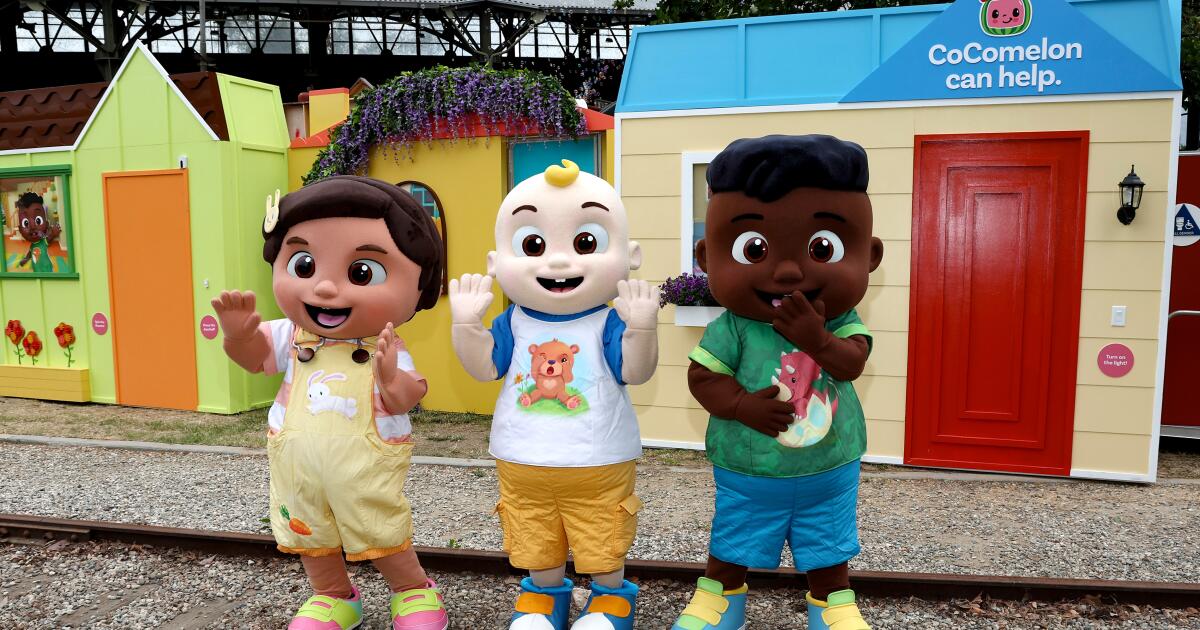
A labor dispute has disrupted the production of the live-action series “CoComelon: The Melon Patch,” as crew members have walked off the set to protest wages and working conditions. The strike, led by the International Alliance of Theatrical Stage Employees (IATSE), marks a significant escalation in tensions between the production’s management and the behind-the-scenes staff.
The walkout involves a crew of 22 workers who are currently picketing outside the Stage This studio in Sun Valley. According to the union, the workers are protesting a lack of adequate staffing and the prevalence of overwork coupled with wages that fall below industry standards.
This conflict highlights a growing friction point in the modern entertainment landscape: the intersection of massive digital-first brands and the traditional labor requirements of live-action production. “CoComelon: The Melon Patch,” which first launched in 2025 as a spinoff of the original YouTube phenomenon, represents the franchise’s move into physical production—a transition that brings with it the complexities of crew management and collective bargaining.
Labor Conditions and the Push for Collective Bargaining
The current strike is the culmination of an effort by the crew to secure formal representation. The 22 workers involved recently signed authorization cards requesting that IATSE represent them in collective bargaining negotiations. However, reports indicate that the production’s management refused to enter into these negotiations, prompting the union to take direct action.
The decision to strike began on Wednesday, May 6, 2026, occurring halfway through the series’ current shoot. IATSE has been vocal about the disparities between the conditions on this set and those found in unionized productions.
“The crew on this project experienced firsthand what working conditions can be like on a non-union production and organized for fair wages and industry-standard benefits after they started the second season,” IATSE said in a statement.
Beyond the issues of wages and staffing, further allegations have surfaced regarding the production’s attempt to maintain operations during the walkout. Reports indicate that the producer has attempted to hire replacement workers, often referred to as scabs, to continue filming at the Sun Valley location.
Moonbug Entertainment and the ‘Digital-to-Live’ Transition
The production is overseen by Moonbug Entertainment, the company responsible for the global “CoComelon” brand. As of May 7, Moonbug Entertainment has declined to comment on the strike or the specific allegations regarding understaffing and wage disputes.
From an economic perspective, the transition from animation—where the original CoComelon thrived—to live-action production introduces a different set of overheads and labor risks. While digital animation allows for a different scale of scalability, live-action shoots require a physical crew, strict safety protocols and adherence to hours-of-service regulations to prevent burnout, and accidents.
When productions operate as non-union entities, they often lack the standardized pay scales and benefit packages that IATSE negotiates for its members. For a crew of 22, the difference between a non-union contract and a collective bargaining agreement can be substantial, affecting everything from health insurance to overtime pay.
The Role of IATSE in Modern Entertainment
IATSE is one of the most influential labor organizations in the entertainment industry, representing more than 170,000 behind-the-scenes workers across the United States and Canada. Their membership spans a wide array of disciplines, including motion picture and television production, broadcast, live events, and animation.
The union’s involvement in “The Melon Patch” reflects a broader strategic push to ensure that as content creation shifts toward YouTube and other digital platforms, the workers providing the technical expertise are not left behind by a “gig economy” approach to filmmaking. IATSE’s mission focuses on winning better wages, comprehensive training, and sustainable working conditions for those who operate the cameras, manage the lighting, and handle the wardrobe and sound.
Key Impacts of the Strike
- Production Delays: With the strike occurring mid-shoot, the production timeline for the second season is likely to be pushed back.
- Reputational Risk: For a brand like CoComelon, which is aimed at families and children, public disputes over labor conditions can create negative brand associations.
- Industry Precedent: The outcome of this dispute may signal whether digital-first production companies will be more open to unionization as they expand into live-action content.
What Happens Next?
The resolution of the strike depends on whether Moonbug Entertainment or the production management agrees to sit down with IATSE representatives to negotiate a contract. If the company continues to refuse to bargain, the picket lines in Sun Valley are expected to persist, potentially leading to further delays in the release of the new season.
The entertainment industry has seen a wave of labor unrest in recent years, with various guilds and unions fighting for protections against AI and for fair compensation in the streaming era. While this specific dispute is localized to a smaller crew, it mirrors the larger global conversation regarding the value of human labor in an increasingly automated and digital media environment.
We are monitoring this situation for any official statements from Moonbug Entertainment or updates on collective bargaining progress. We encourage our readers to share their thoughts on the balance between digital production efficiency and labor rights in the comments below.