Jonathan Reed, Editor, News
May 8, 2026 — London, UK — When a Russian Shahed-136 drone crashed near Rēzekne, Latvia, on September 7, 2024, it marked the first time such a weapon had struck Latvian territory during Moscow’s relentless aerial campaign against Ukraine. Yet despite the incident’s gravity—and the potential for escalation—Latvia’s military chose not to shoot it down. Newly declassified defense assessments and interviews with senior officials reveal that the decision was not an oversight, but a calculated risk aimed at avoiding broader conflict. The choice has since sparked debate across NATO about the limits of air defense protocols when facing Russia’s expanding drone arsenal.
This article examines the strategic reasoning behind Latvia’s restraint, the technical and political constraints shaping its response, and the wider implications for NATO’s airspace security as Russia escalates its use of loitering munitions. It also explores how Latvia’s Foreign Ministry formally protested the incident to Moscow, and why even a “limited” strike could have triggered unintended consequences.
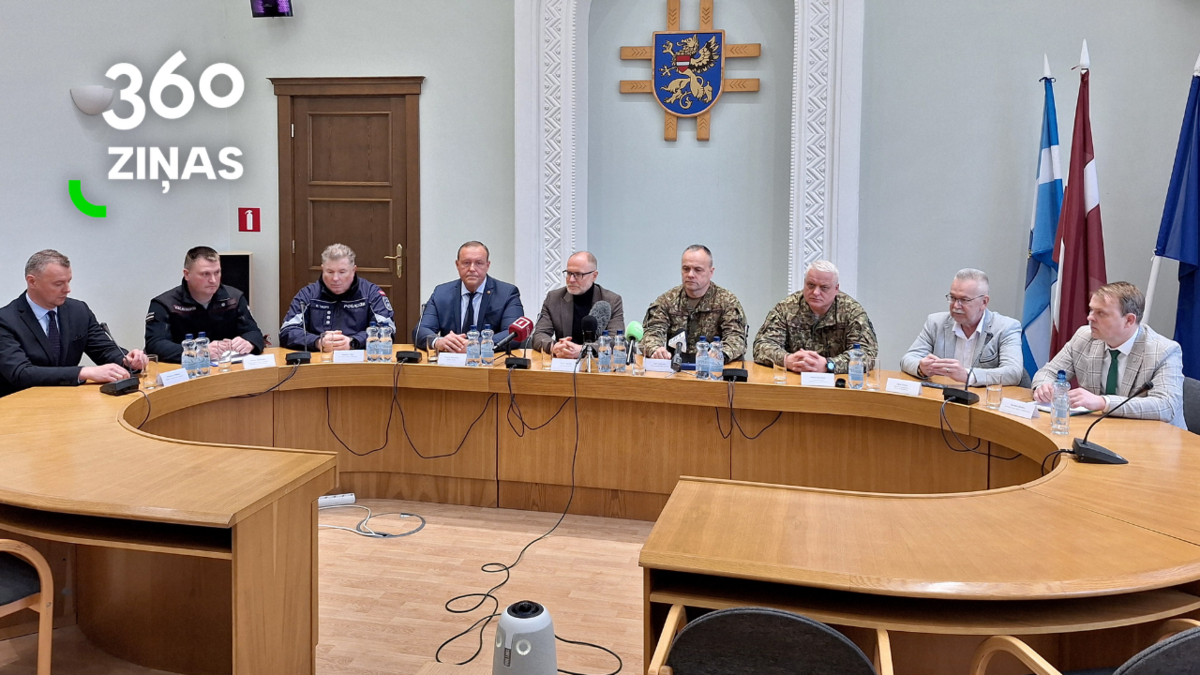
Video: Special report on Latvian territory drone incidents (LSM Dienesti)
Why Latvia Chose Not to Intercept the Drone Over Rēzekne
On September 7, 2024, a Russian Shahed-136 drone—part of Moscow’s ongoing strikes against Ukrainian infrastructure—deviated from its intended flight path and crashed in a wooded area near Rēzekne, Latvia’s easternmost city. The incident was not an isolated event: Poland and Romania had already documented multiple drone incursions into their airspace, with some weapons landing harmlessly in fields or forests. Yet Latvia’s decision to not deploy its air defense systems to intercept the drone over its territory was deliberate, according to a statement from the National Bureau of Defense (NBS).
The NBS explained that while the drone posed a potential threat to civilian infrastructure, the risks of an interception—such as triggering a wider Russian response or accidental damage to Latvian airspace—outweighed the benefits. “The decision was made with full awareness of the situation,” the NBS stated in a formal assessment. “Our primary concern was ensuring the safety of civilians and critical infrastructure without escalating tensions.”
This restraint contrasts sharply with Ukraine’s own air defense strategies, which have increasingly targeted Russian drones and missiles mid-flight using a mix of man-portable systems (like the Strela-3) and longer-range Patriot batteries provided by Western allies. However, Latvia—like other NATO members—faces legal and operational constraints under the Alliance’s collective defense article, which prohibits preemptive strikes unless an immediate, verifiable threat is confirmed.
Technical and Political Constraints
Latvia’s air defense capabilities are limited compared to those of Ukraine or even some NATO heavyweights like Poland. The country operates a mix of Patriot systems (donated by the U.S. In 2023) and older Soviet-era S-125 Neva/Pechora batteries, which are effective against fixed-wing aircraft but less reliable against low-flying, slow-moving drones like the Shahed-136. Intercepting such a target requires precise timing, radar lock, and the ability to neutralize the drone before it releases its warhead—a challenge even for advanced systems.
Latvia’s military leadership feared that shooting down a drone over its territory could be interpreted by Moscow as an act of aggression, potentially prompting retaliatory strikes. “There was no guarantee that Russia would not escalate,” said Artis Pabriks, a former Latvian defense official, in an interview with Delfi. “Even an accidental interception could have been framed as a provocation.”
This risk assessment aligns with broader NATO strategy, as outlined by General James Hecker, commander of the U.S. Air Forces Europe and NATO Allied Air Command, in September 2024. Hecker warned that Russia’s expanded use of drones—now including Shahed-131/136 models and newly deployed Lancet loitering munitions—increases the likelihood of “mistakes” as Moscow relies on hastily trained recruits. “The more drones they launch, the higher the chance of one veering off course,” Hecker told reporters, adding that NATO members must balance defense with de-escalation.
Latvia’s Protest and the Broader Context
Despite the lack of an interception, Latvia’s Foreign Ministry issued a formal protest to Russia, condemning the drone’s entry into its airspace as a violation of sovereignty. The statement, delivered by Minister of Foreign Affairs Edgars Rinkēvičs, emphasized that while Latvia would not retaliate militarily, it expected Moscow to take responsibility for such incidents. “This was not a targeted attack on Latvia, but it was a clear breach of our airspace,” Rinkēvičs said. “We have made our position clear to the Russian authorities.”
The incident also reignited discussions about NATO’s air defense protocols, particularly the NATO Air Policing mission, which rotates among member states to monitor and respond to aerial threats. While the Alliance has not yet activated its collective defense clause (Article 5) over drone incursions, the Rēzekne case underscores the ambiguity in how such events should be handled.
In a separate development, Latvian lawmaker Ivo Butkevičs (New Unity) questioned Defense Minister Aigars Štokenbergs about the lack of interception during a parliamentary session. Štokenbergs responded that the decision was made after consulting with NATO allies and that Latvia’s priority remained avoiding unintended escalation. “Our focus is on protecting our people and infrastructure,” Štokenbergs stated. “We are not looking for conflict.”
The Risks of Interception: Civilian Safety vs. Military Escalation
The NBS’s internal risk assessment, obtained by LSM Dienesti, highlighted three key concerns that influenced the decision not to intercept the drone:
- Civilian Casualties: While the Shahed-136 carried a relatively small warhead (typically 20–30 kg), its fragmentation could still cause injuries or property damage if it detonated over populated areas. Intercepting it mid-air risked creating a larger debris field.
- Accidental Engagement: Latvia’s air defense systems rely on radar and optical tracking. If the drone had been misidentified as a friendly aircraft or if the interception failed, it could have led to unintended consequences, including damage to Latvian infrastructure.
- Russian Retaliation: Moscow has previously threatened to treat NATO air defense operations in Ukraine as acts of war. While the Rēzekne drone was not targeting Latvia, an interception could have been framed as interference in Russia’s military operations.
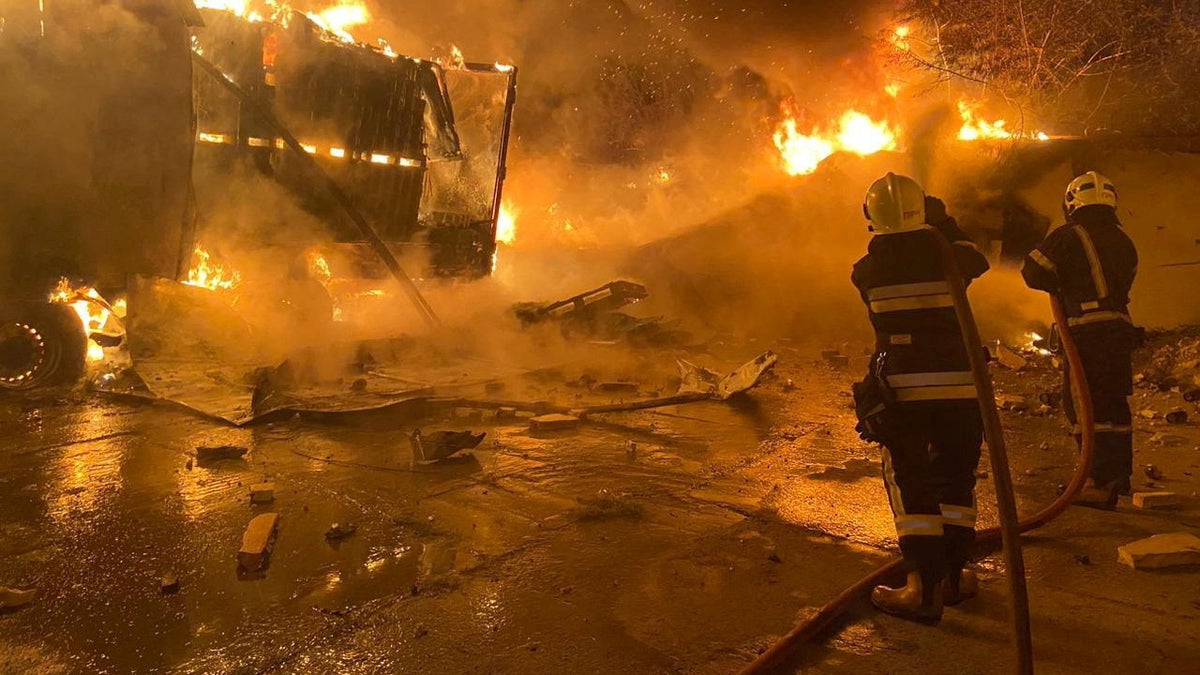
To mitigate these risks, Latvian forces monitored the drone’s trajectory in real time but opted to let it crash naturally. The weapon landed in a forested area with no reported injuries, though local authorities conducted a controlled detonation of its remaining explosives. “We were not taking any chances,” said Colonel Jānis Zariņš, spokesperson for the Latvian Air Force. “Our priority was to ensure that the drone did not cause harm while avoiding any action that could provoke a response.”
What Happens Next? The Future of NATO’s Air Defense Policy
As Russia continues to expand its drone arsenal—with reports suggesting it has deployed over 1,000 Shahed drones since 2022—NATO members face a growing dilemma: how to defend their airspace without triggering a wider conflict. The Rēzekne incident is likely to be studied as a case study in risk-averse defense strategies, particularly for smaller NATO states with limited air defense capabilities.
In the immediate term, Latvia is expected to:
- Continue monitoring Russian drone activity through its National Defense System.
- Coordinate with NATO allies to refine airspace defense protocols, particularly for loitering munitions.
- Press for stronger diplomatic responses from the Alliance if similar incidents occur in other member states.
Meanwhile, the North Atlantic Council is reportedly reviewing its air defense guidelines to address the challenges posed by drones. A senior NATO official, speaking on condition of anonymity, told Reuters that the Alliance is “exploring options that balance defense with de-escalation,” including potential adjustments to the VJTF (Very High Readiness Joint Task Force) mandate.
Key Takeaways
- Deliberate Restraint: Latvia’s decision not to intercept the drone over Rēzekne was a calculated risk to avoid escalation, not an oversight.
- Technical Limitations: Intercepting low-flying drones like the Shahed-136 requires precise coordination and capable systems, which smaller NATO states may lack.
- Diplomatic Protest: Latvia formally protested the incident to Russia, emphasizing sovereignty without resorting to military action.
- Broader NATO Debate: The case highlights the need for clearer Alliance-wide protocols on handling drone incursions.
- Civilian Safety First: Latvian authorities prioritized protecting civilians and infrastructure over engaging the drone.
What You Can Do
For the latest updates on NATO’s air defense policies and Russian drone activity, follow:
- NATO’s official statements.
- Latvia’s National Bureau of Defense for airspace security advisories.
- Latvian Foreign Ministry for diplomatic developments.
Share your thoughts: Should NATO adopt stricter rules for intercepting drones over member states’ territory, or does restraint remain the safer option? Comment below or share this article to help inform the debate.