The United States has announced a sweeping series of financial measures targeting Iran’s economic infrastructure, seeking to choke off revenue streams that Washington and its allies say fund regional proxy networks amid escalating Middle East tensions. The latest sanctions package, implemented by the U.S. Department of the Treasury and the Department of State, directly strikes at key maritime shipping networks, energy trade, and international front companies accused of moving billions of dollars for the Iranian government.
According to the U.S. Treasury Department, these coordinated designations are designed to isolate Tehran from the international financial system and degrade its capacity to support armed groups across the region. The move comes as international diplomats grapple with a volatile geopolitical climate, marked by persistent maritime security threats and stalled diplomatic channels regarding Iran’s nuclear program.
Financial analysts note that while previous rounds of sanctions have successfully restricted Iran’s formal oil exports, enforcement gaps involving shadow fleets and illicit ship-to-ship transfers have allowed Tehran to maintain vital cash flows. The newly unveiled restrictions specifically target vessels, operators, and maritime registries facilitating these clandestine transactions, marking a tactical shift toward disrupting logistics rather than solely penalizing state entities.
Targeting Maritime Networks and Illicit Oil Shippers
At the core of the new U.S. strategy is an aggressive crackdown on the shadow fleet of oil tankers moving Iranian petroleum to buyers in Asia and the Middle East. According to official Treasury notices, the sanctions freeze all U.S.-based assets of dozens of designated vessels and corporate entities registered in multiple jurisdictions, including Hong Kong, the United Arab Emirates, and the Marshall Islands.
Maritime intelligence firms have tracked a complex web of shell companies used to obscure the true ownership and flag states of ships carrying sanctioned crude. By targeting these intermediaries, Washington aims to raise the operational costs for buyers and shipping agents willing to handle Iranian cargo. The restrictions also prohibit American citizens and businesses from engaging in financial transactions with the designated entities, effectively locking them out of the U.S. dollar-denominated banking network.
Energy market observers point out that previous enforcement actions created temporary supply tightness, though resourceful smuggling networks often adapted quickly. Whether these latest measures will sustainably reduce export volumes depends heavily on the willingness of regional port authorities and secondary consumer nations to comply with American secondary sanctions.
Regional Ramifications and Diplomatic Fallout
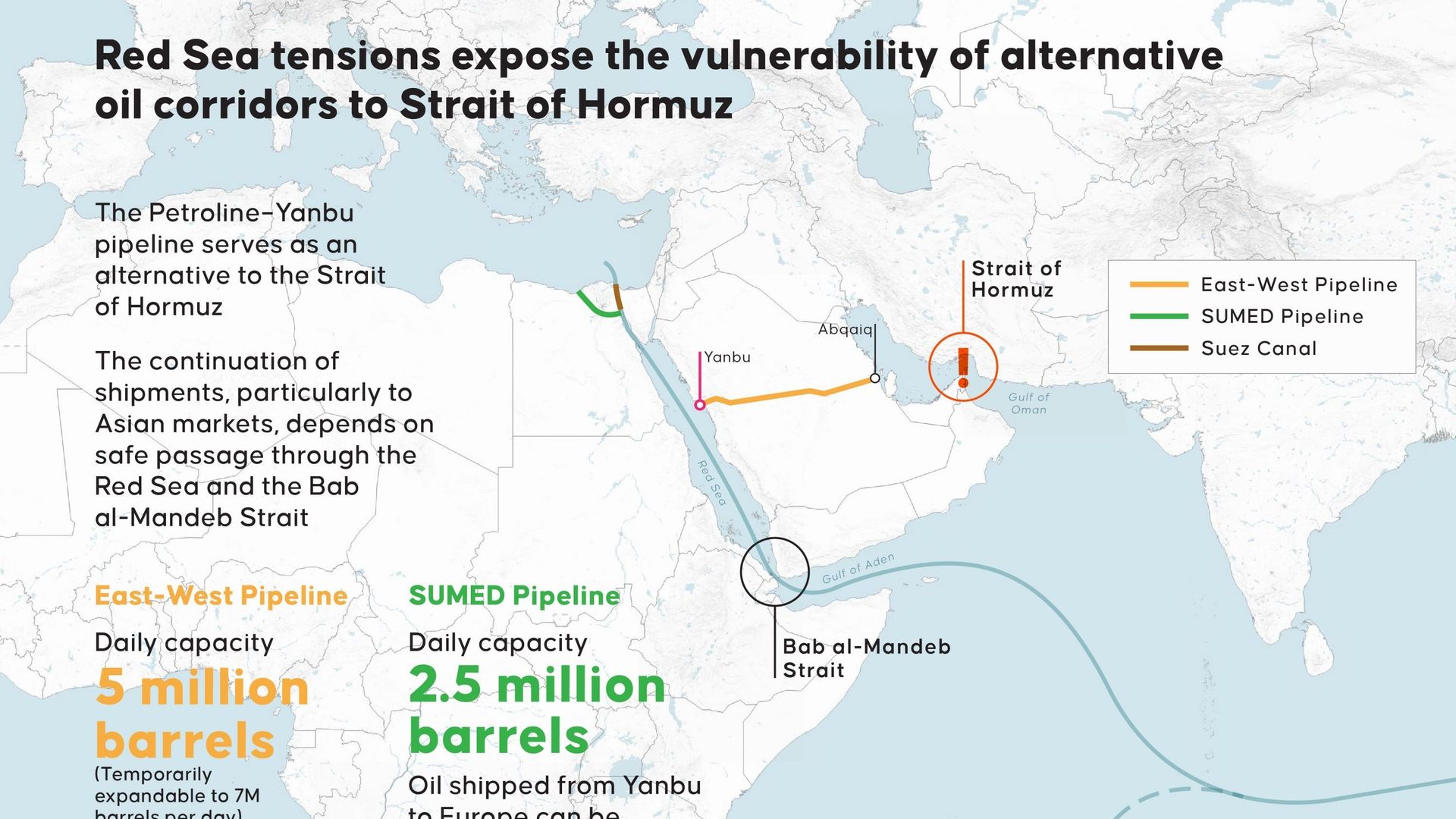
The intensification of economic pressure carries profound implications for regional stability in the Middle East. Regional governments have expressed growing concern that prolonged financial warfare could provoke asymmetric responses, including heightened risks to commercial shipping in the Strait of Hormuz and the Bab el-Mandeb strait.
European allies have maintained a complex stance, balancing support for non-proliferation and regional security with the realities of extraterritorial U.S. financial reach. While European capitals share Washington’s concerns regarding regional security, diplomats frequently caution that unilateral maximum-pressure campaigns risk closing off avenues for future diplomatic engagement.
Meanwhile, Iranian officials have consistently condemned Western sanctions as economic warfare aimed at the civilian population. Tehran has increasingly sought to deepen bilateral trade and energy agreements with major non-Western partners to cushion the blow of international isolation, blunting the immediate impact of financial restrictions through alternative payment channels and barter arrangements.
Next Steps and Enforcement Mechanisms
Implementation of the sanctions will be monitored closely by the Financial Crimes Enforcement Network (FinCEN) and international maritime oversight bodies. Compliance officers worldwide are currently reviewing updated asset-freezing lists to screen existing shipping contracts and trade finance portfolios for exposure to the newly penalized entities.
The U.S. administration has indicated that additional designations will follow if Iran continues its current regional trajectory and advances its nuclear capabilities. Further updates, official entity lists, and compliance advisories are accessible directly through the U.S. Department of the Treasury website. Readers are encouraged to share their thoughts or join the discussion in the comments section below.
Related reading