Every person has an origin story—a narrative of where they came from and the events that shaped them. In the world of global security, researchers are discovering that nuclear materials have origin stories too. While a piece of intercepted uranium or plutonium may appear identical to the naked eye, it carries a hidden “biography” written in its atomic structure.
This field, known as nuclear forensics, allows scientists to look past the surface of radioactive materials to determine where they were mined, how they were processed, and potentially which facility produced them. By illuminating these origin stories, international investigators can transform a piece of seized contraband from a dangerous mystery into a roadmap leading back to the source of a leak or a clandestine operation.
For the global community, the ability to attribute nuclear material to a specific origin is not merely a scientific curiosity; it is a cornerstone of nuclear non-proliferation. When illicit materials are intercepted, the primary question is rarely “what is this?”—as radiation detectors answer that quickly—but rather “where did this come from?” The answer to that question is the difference between a localized theft and a systemic failure in a nation’s nuclear safeguards.
As the International Atomic Energy Agency (IAEA) continues to refine these techniques, the “fingerprints” left behind during the enrichment and fabrication processes are becoming increasingly legible. This technological leap is providing security agencies with an unprecedented tool to combat the illicit trafficking of nuclear materials and hold bad actors accountable.
The Chemistry of Attribution: How Nuclear Fingerprints Work
Nuclear forensics relies on the premise that no two nuclear production processes are exactly alike. Whether it is the geological composition of the original ore or the specific temperature and pressure settings of a centrifuge, every step of the nuclear fuel cycle leaves a distinct chemical and isotopic signature.
The first layer of the “origin story” is the isotopic signature. In nature, uranium consists primarily of two isotopes: U-238 and U-235. However, the ratio of these isotopes changes depending on whether the material has been enriched for power generation or weapons-grade use. Researchers use high-precision mass spectrometry to measure these ratios with extreme accuracy. By comparing these ratios against known standards, scientists can determine if the material was produced using gaseous diffusion or centrifuge technology.
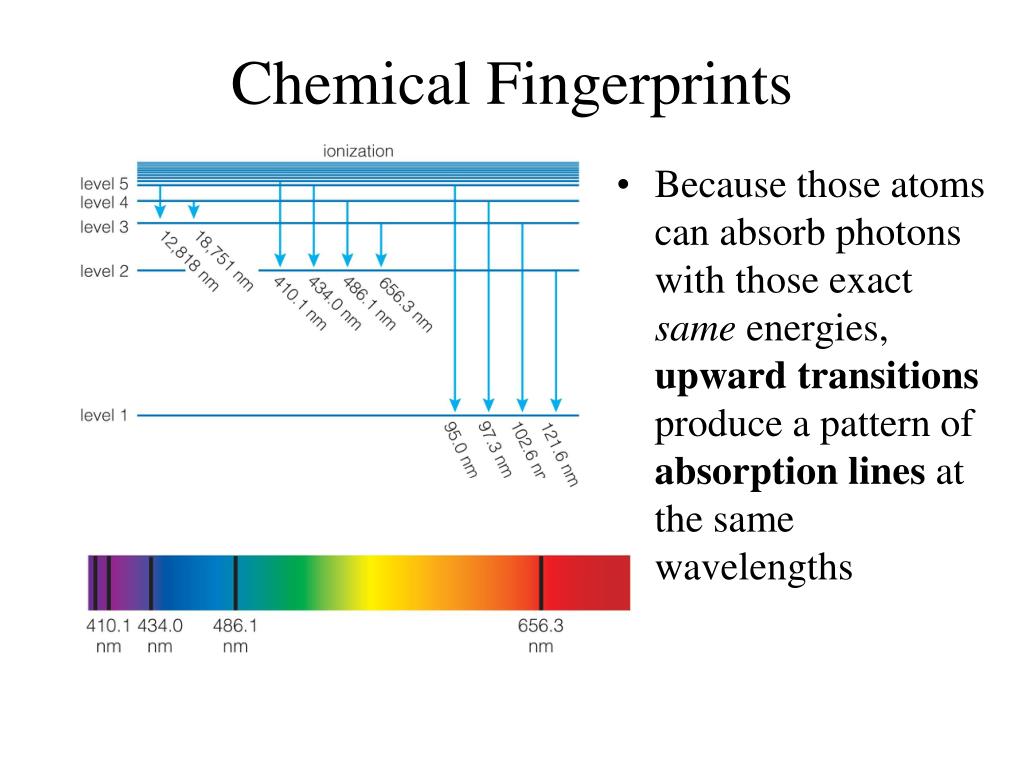
Beyond the isotopes, trace element analysis provides a deeper level of detail. Every mine in the world has a unique chemical “flavor” based on the surrounding rock and soil. Elements like molybdenum, niobium, or rare earth metals often hitch a ride with the uranium during the mining process. Even after chemical purification, minute amounts of these impurities remain. These trace elements act as a geographic marker, allowing researchers to narrow down the origin of the material to specific regions or even specific mines.
Finally, there is the morphological analysis. Using scanning electron microscopy, researchers examine the physical shape, size, and surface texture of the nuclear particles. The way a powder is crystallized or the way a metal is sintered is often a signature of the specific equipment and chemical reagents used in a particular facility. When isotopic data, trace elements, and morphology are combined, they create a comprehensive forensic profile that is nearly impossible to forge.
Global Security and the Fight Against Illicit Trafficking
The practical application of these “origin stories” is most critical in the context of nuclear non-proliferation and the prevention of nuclear terrorism. The illicit trafficking of nuclear materials is a persistent threat to global stability, and the ability to perform rapid attribution is the primary deterrent against such activity.
When a shipment of nuclear material is intercepted by customs or intelligence agencies, nuclear forensics allows the international community to perform a “reverse search.” If the material’s signature matches the known output of a specific state-run facility, it triggers a diplomatic and security crisis that forces the originating state to account for the missing material. This creates a powerful incentive for nations to tighten their physical protection and accounting systems.
nuclear forensics helps distinguish between “legacy” materials and newly produced materials. Some radioactive isotopes decay at known rates (half-lives), acting as a nuclear clock. By measuring the ratio of parent isotopes to their decay products, researchers can determine the “age” of the material—specifically, the last time it was chemically purified. If a piece of plutonium is found to have been processed only months ago, it signals an active, potentially undeclared production program, rather than a leak from a Cold War-era stockpile.
This capability is essential for enforcing international treaties and safeguards. The ability to prove that a country is enriching uranium beyond declared levels, or using a specific type of reactor to produce plutonium, provides the evidence needed for the United Nations and other governing bodies to implement sanctions or demand inspections.
The IAEA and the International Framework for Forensics
Because nuclear forensics requires highly specialized equipment and massive databases of known signatures, it cannot be performed by every country. The IAEA plays a central role in coordinating this effort through the development of international standards and the promotion of cooperation between member states.
The IAEA does not typically act as the primary forensic laboratory; instead, it facilitates a network of national laboratories that share data and methodologies. This collaborative approach is vital because no single nation possesses a complete library of every nuclear signature in existence. By sharing “fingerprints” of materials from different regions, the global community builds a more comprehensive map of nuclear production.
One of the primary goals of this international framework is the standardization of sampling and analysis. For forensic evidence to hold up in a legal or diplomatic setting, the “chain of custody” must be impeccable. The IAEA provides guidelines on how to collect samples without contaminating them and how to document the process so that the results are scientifically defensible.
The agency also focuses on capacity building, helping smaller nations develop the ability to detect and report the presence of nuclear materials. While they may not have the mass spectrometers needed for full attribution, their ability to provide the initial “alert” is what allows the forensic experts to step in and begin the investigation into the material’s origin story.
The Future of Nuclear Material Tracking
As technology evolves, the “resolution” of nuclear origin stories is improving. Researchers are now exploring the use of artificial intelligence and machine learning to analyze complex datasets. AI can identify subtle patterns in isotopic and chemical data that might be invisible to a human analyst, allowing for even more precise attribution.
There is also a move toward creating more comprehensive “nuclear libraries.” Just as traditional forensics relies on DNA databases, nuclear forensics relies on a library of known signatures from legitimate nuclear facilities. The more signatures that are documented, the easier it becomes to identify the “outliers”—the materials that come from undeclared or clandestine sites.
However, challenges remain. Some sophisticated actors may attempt to “mask” the origin of their materials by mixing isotopes from different sources or using chemical additives to confuse trace element analysis. This creates a technological arms race between those trying to hide the origin of nuclear materials and the scientists working to illuminate them.
Despite these challenges, the trajectory of the field is clear: the “dark” areas of the nuclear fuel cycle are shrinking. The ability to read the atomic biography of nuclear material is turning the world’s radioactive substances into witnesses that can testify about their own history, providing a critical layer of transparency in an era of high geopolitical tension.
Key Takeaways: Nuclear Forensics at a Glance
- Isotopic Signatures: Measuring the ratio of isotopes (like U-235 to U-238) to determine the enrichment method and intended use of the material.
- Chemical Fingerprints: Analyzing trace impurities from the original ore to pinpoint the geographic location of the mine.
- Nuclear Chronometry: Using isotopic decay to determine the “age” of the material and when it was last processed.
- Global Attribution: Enabling the IAEA and member states to trace illicit materials back to their source, thereby deterring theft and clandestine production.
- Morphological Analysis: Studying the physical structure of particles to identify the specific equipment and processes used in production.
Frequently Asked Questions
What is the difference between nuclear safeguards and nuclear forensics?
Nuclear safeguards are proactive measures—such as cameras, seals, and inspections—designed to ensure that nuclear material is not diverted from peaceful uses. Nuclear forensics is reactive; it is the scientific analysis performed after material has been diverted or intercepted to determine its origin.
Can nuclear forensics identify a specific person who stole the material?
Generally, no. Nuclear forensics identifies the source facility or the geographic region of the material. Identifying a specific individual requires traditional forensic evidence, such as fingerprints, DNA, or digital footprints found at the scene of the crime.
Is it possible to “fake” a nuclear signature?
While an actor could attempt to mix materials to blur the signature, creating a perfectly fake, consistent signature that mimics a specific facility’s output across isotopes, trace elements, and morphology is extremely difficult and requires a level of technical sophistication that few possess.
Why is the IAEA involved if they aren’t the ones doing all the testing?
The IAEA provides the international legitimacy and the standardized framework. Because nuclear attribution can lead to severe diplomatic consequences, having a neutral international body coordinate the standards ensures that the findings are accepted globally.
The next major milestone in this effort will be the continued expansion of the International Nuclear Forensics Network, as more member states contribute to the global library of nuclear signatures. This ongoing collaboration remains the most effective tool for ensuring that any attempt to move nuclear materials in the shadows will eventually be brought to light.
Do you think increased transparency in nuclear signatures will lead to greater global stability, or will it accelerate the “arms race” of forensic masking? Share your thoughts in the comments below.
Keep reading