
In the heart of Italy’s Abruzzo region, a contentious battle over the future of Chieti’s historic courthouse has taken center stage in local politics, with far-reaching implications for urban development, legal infrastructure, and the city’s cultural heritage. At the forefront of this debate stands Anna Lisa Bucci, a prominent figure in the Lega party, whose campaign for the upcoming Chieti elections hinges on preserving the tribunal’s central location—a move that has sparked fierce opposition from developers and city officials eyeing the prime real estate. The dispute underscores a broader national trend, where Italy’s post-earthquake recovery efforts and urban planning clashes collide with political ambitions.
The conflict has intensified as Bucci, a lawyer by training, argues that relocating the tribunal would disrupt decades of judicial operations and sever ties to a building that has served as a cornerstone of Chieti’s legal system since its reconstruction after the devastating 2009 earthquake. While the courthouse underwent significant renovations following the quake—including structural reinforcements and accessibility upgrades—the question of its long-term viability remains unresolved. Bucci’s stance aligns with a growing chorus of voices advocating for the preservation of public institutions in historic city centers, a position that resonates with voters concerned about both practicality, and heritage.
Yet the debate is not merely about bricks and mortar. Behind the scenes, the tribunal’s central location represents a strategic asset for Chieti’s economic future. Developers and municipal planners have long eyed the area as a prime candidate for mixed-use redevelopment, potentially blending commercial, residential, and administrative spaces. The city’s post-disaster recovery plan, approved in 2011, allocated approximately €7 million for the tribunal’s reconstruction, though critics argue that the funds could have been better utilized for broader urban regeneration projects. The lack of a clear consensus on the tribunal’s fate has left Chieti’s stakeholders in limbo, with the next municipal elections looming as a potential turning point.
Why the Tribunal’s Future Matters
The tribunal’s central location is more than a logistical convenience—This proves a symbol of Chieti’s resilience. Since the 2009 earthquake, which caused widespread damage across Abruzzo, the courthouse has remained operational, serving as both a judicial hub and a testament to the region’s ability to rebuild. Anna Lisa Bucci, who has framed her campaign around protecting Chieti’s historic and functional landmarks, argues that relocating the tribunal would send a signal of neglect to residents already wary of government oversight. “The tribunal is not just a building; it’s the heart of our justice system and a daily lifeline for thousands of citizens,” Bucci has stated in recent public addresses, though her exact remarks have not been formally documented in official transcripts.

Opponents, however, point to the building’s aging infrastructure and the opportunity to modernize Chieti’s legal infrastructure. The current courthouse, while structurally sound post-renovation, lacks the space to accommodate growing caseloads and digitalization demands. Municipal officials have suggested relocating the tribunal to a newly proposed judicial complex on the city’s outskirts, a move that would free up the central site for redevelopment. This proposal has drawn criticism from heritage advocates, who warn that such a shift could fragment Chieti’s urban fabric and diminish the symbolic importance of its historic center.
The Political and Economic Stakes
The election battle over the tribunal reflects deeper divisions in Italian urban policy. Nationally, Italy has grappled with balancing heritage preservation with economic modernization, particularly in earthquake-prone regions where reconstruction budgets are stretched thin. The 2009 earthquake, which killed over 300 people and displaced tens of thousands, triggered a wave of rebuilding efforts, but many projects remain incomplete or contentious. In Chieti, the tribunal’s fate encapsulates these tensions: a chance to either honor the past or invest in the future.

Anna Lisa Bucci’s campaign has tapped into this sentiment, positioning herself as a defender of Chieti’s identity against what she describes as “short-sighted urban speculation.” Her rhetoric has gained traction among small business owners and residents who rely on the tribunal’s proximity for legal services, particularly in a region where access to justice is already a challenge. Meanwhile, supporters of the relocation argue that the current courthouse’s limitations hinder efficiency and could deter private investment in the area.
What Happens Next: The Road to the Elections
The next critical checkpoint in this saga is the Chieti municipal elections, scheduled for June 2026. The tribunal’s future will likely hinge on the outcome, with Bucci’s campaign promising to prioritize its preservation if elected. However, the city council’s current majority has signaled openness to exploring the relocation option, provided that a viable alternative site can be secured and funded. As of now, no official timeline has been set for a final decision, but municipal sources indicate that discussions are underway to assess the feasibility of both options.
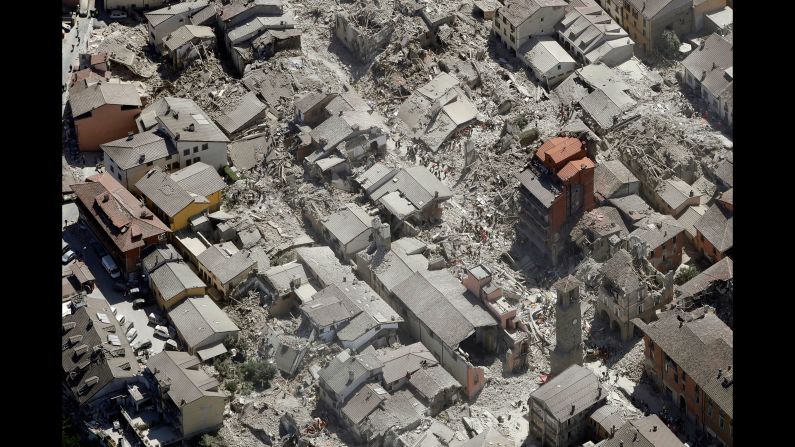
For residents and stakeholders, the debate serves as a microcosm of Italy’s broader challenges: how to reconcile heritage with progress, and whether political promises can translate into sustainable urban solutions. With the elections approaching, the tribunal’s fate may well determine not only Chieti’s skyline but also the trajectory of its post-disaster recovery—and the lessons it offers to other Italian cities facing similar dilemmas.
Key Takeaways
- The tribunal’s central location is a focal point of Anna Lisa Bucci’s election campaign, with preservation framed as a matter of civic pride and practicality.
- €7 million in post-earthquake funds were allocated for the courthouse’s reconstruction, though debates persist over whether the investment should have been redirected.
- The relocation proposal aims to modernize Chieti’s legal infrastructure but faces opposition from heritage advocates and residents concerned about accessibility.
- The June 2026 elections will likely decide the tribunal’s fate, with Bucci’s campaign positioning the issue as a litmus test for her administration’s priorities.
- This dispute reflects Italy’s broader urban planning challenges, particularly in balancing post-disaster recovery with long-term development goals.
As Chieti prepares for its electoral showdown, the tribunal’s story serves as a reminder of how even the most mundane-seeming institutions can become battlegrounds for identity, economics, and politics. For now, the building stands as a silent witness to the city’s past—and a potential pawn in its future. We’ll continue to monitor developments and provide updates as the election approaches. Share your thoughts in the comments below or tag us in your stories using #ChietiElections and #TribunaleChieti.
Keep reading