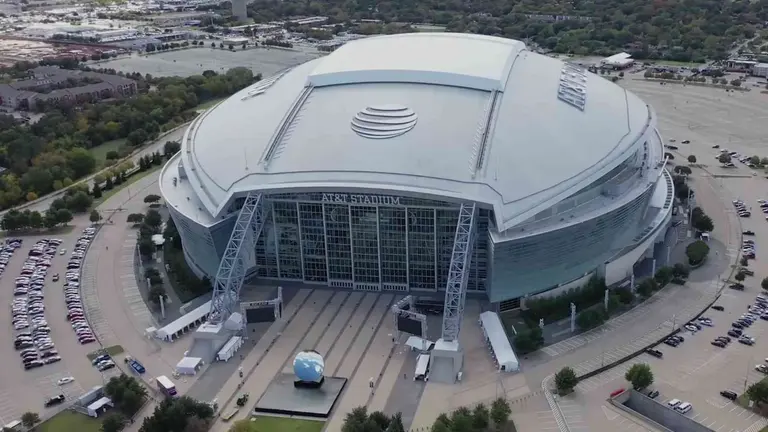
As the countdown to the 2026 FIFA World Cup reaches its final weeks, the Dallas-Fort Worth Metroplex is transforming into a global hub for millions of football fans. However, local municipalities are issuing a stern warning to aspiring entrepreneurs: the surge in foot traffic does not grant a license to sell without legal authorization. Cities across the region are intensifying their campaigns to ensure that street vending, food sales, and merchandise distribution comply with strict local ordinances.
The drive for regulation comes as city officials anticipate unprecedented crowds around key venues, most notably AT&T Stadium in Arlington. To prevent sidewalk congestion and ensure public health standards, officials from Dallas, Fort Worth, and Arlington have clarified that “pop-up” vending without the proper permits will not be tolerated. The crackdown is designed to balance the economic opportunities of the tournament with the necessity of maintaining public order and safety in some of the busiest corridors in North Texas.
For many local residents, the World Cup represents a once-in-a-generation opportunity to generate income. Yet, the legal requirements for operating a temporary business are rigorous. Vendors are being reminded that a business license is often only the first step; depending on the product—particularly food and beverages—additional health department certifications and fire marshal approvals are mandatory. Failure to secure these documents can lead to immediate shutdowns, heavy fines, and the confiscation of goods.
Navigating the Permit Maze in the Metroplex
Securing the right to sell during a global event is a multi-tiered process that varies by city. In the Dallas-Fort Worth area, vendors must navigate a combination of municipal codes and event-specific restrictions. For those planning to operate within the city limits of Dallas, the City of Dallas requires specific temporary vendor permits that designate where and when selling is permitted. Operating outside these designated zones is considered a violation of city ordinance.
In Arlington, where the bulk of the match-day intensity will be centered, the regulations are even more stringent. Because the World Cup is a FIFA-sanctioned event, You’ll see often “exclusion zones” where only official FIFA partners and licensed vendors are permitted to operate. Local vendors attempting to set up shop too close to the stadium gates may find themselves in conflict not only with city code enforcement but also with FIFA’s strict commercial protections.
The permit process generally requires the following documentation:
- General Business License: A basic registration ensuring the business is legally recognized.
- Temporary Use Permit: A short-term authorization specifically for the duration of the tournament.
- Health Department Permit: Mandatory for any vendor selling perishable goods, requiring proof of food handler certification and equipment inspections.
- Liability Insurance: Many cities require vendors to carry a minimum amount of general liability insurance to protect the city from claims resulting from vendor operations.
Public Safety and the Cost of Non-Compliance
The primary motivation behind these warnings is public safety. City planners have expressed concerns that unauthorized vendors clustering on narrow sidewalks could obstruct emergency evacuation routes or impede the flow of pedestrians, creating dangerous “bottlenecks” during peak hours. The sale of unregulated food products poses a significant public health risk, especially when dealing with the massive volume of international tourists expected to visit the region.

Law enforcement and code enforcement officers have been briefed to increase patrols in high-traffic areas. According to municipal guidelines, the penalties for unauthorized vending typically begin with a formal warning or a citation. However, repeat offenders or those operating without any form of documentation may face significant fines. In some jurisdictions, the seizure of equipment—such as grills, tents, and tables—is a standard procedure to clear public rights-of-way.
The tension between “informal economies” and municipal regulation is a common theme in host cities during the World Cup. While street food and local crafts add to the cultural vibrancy of the event, officials argue that without oversight, the quality and safety of these offerings cannot be guaranteed. This is particularly critical for the Metroplex, which aims to project an image of seamless organization and high safety standards to the rest of the world.
The FIFA Factor: Official vs. Unofficial Vending
One of the most complex aspects of selling during the World Cup is the distinction between city permits and FIFA licenses. While a city permit allows a person to legally sell on a public sidewalk, it does not grant them the right to use FIFA trademarks, logos, or the official World Cup branding. The sale of “bootleg” or counterfeit merchandise—such as jerseys or scarves featuring the official tournament logo—is a violation of intellectual property laws and is aggressively policed by both FIFA and federal authorities.
Vendors are advised to stick to generic sports apparel or local Texas-themed merchandise to avoid legal disputes. The “official” vending landscape is heavily controlled, with FIFA managing the primary commercial rights within and immediately surrounding the stadiums. This creates a challenging environment for small-scale local vendors who may find themselves pushed further away from the primary crowds to avoid infringing on these exclusive zones.
Key Takeaways for Potential Vendors
| Requirement | Purpose | Risk of Omission |
|---|---|---|
| City Vendor Permit | Legal authorization to use public space | Fines and immediate shutdown |
| Health Permit | Food safety and sanitation check | Confiscation of food products |
| Liability Insurance | Risk management for the city | Permit denial |
| Trademark Compliance | Avoidance of counterfeit goods | Legal action from FIFA/Federal authorities |
Strategic Advice for Local Entrepreneurs
For those still hoping to capitalize on the tournament, experts suggest focusing on “satellite” locations. While the areas immediately surrounding AT&T Stadium will be the most heavily policed, other parts of the Metroplex—such as downtown Dallas, the Fort Worth Stockyards, and popular shopping districts—will still see a massive influx of visitors. These areas may offer a more flexible environment for permitted vendors to operate without the extreme pressure of the stadium’s exclusive zones.

partnering with established local businesses may be a viable alternative. Some restaurants and shops are looking for temporary partners to help manage the overflow of customers. By operating under the umbrella of an existing licensed business, individual entrepreneurs can avoid the bureaucratic hurdle of applying for their own temporary permits while still benefiting from the increased demand.
As the tournament approaches, the City of Arlington and other local governments are expected to release final maps of designated “Fan Zones” and approved vending areas. These maps will be the definitive guide for where selling is legal and where it is prohibited.
The next confirmed checkpoint for vendors will be the release of the final “Event Operations Guide” by the host city committees, expected in the coming weeks. This document will provide the final coordinates for authorized vendor placements and the deadline for last-minute permit applications.
Do you think city regulations on street vending are too strict for global events, or are they necessary for safety? Share your thoughts in the comments below.
Keep reading