
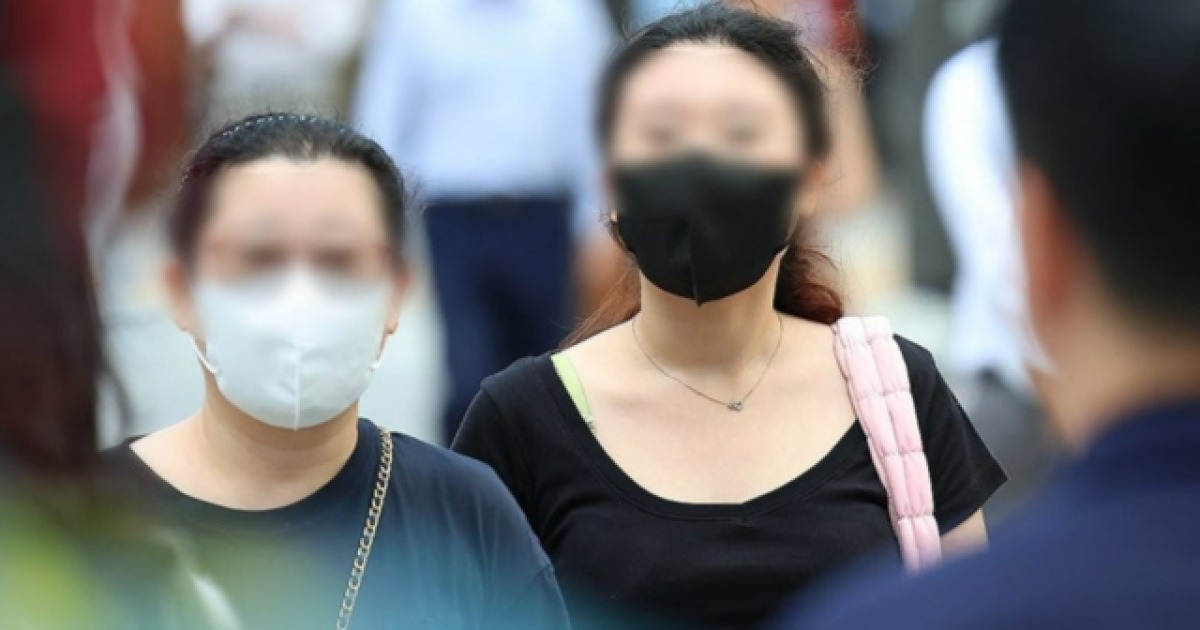
Three years after Japan officially transitioned its management of COVID-19 to align with seasonal influenza, the nation continues to grapple with a complex public health paradox. While the social and economic restrictions of the pandemic era have long since vanished, the virus remains a persistent and lethal presence, particularly among the most vulnerable segments of the population.
The shift in classification was intended to normalize life and reduce the immense burden on the healthcare system. However, current data suggests that treating COVID-19 in Japan as a routine seasonal illness may overlook the ongoing risk posed by evolving variants and a demographic profile that is uniquely susceptible to respiratory complications.
As a physician and health journalist, I have watched this transition closely. The move toward “normalization” is a necessary step for any society, but in the context of Japan’s aging population, the line between “seasonal flu level” and a public health crisis remains perilously thin. The challenge now is not about returning to lockdowns, but about sustaining a high level of vigilance in an era of pandemic fatigue.
The Transition to Class 5 Designation
On May 8, 2023, the Japanese government officially downgraded the legal status of COVID-19 to “Class 5” under the Infectious Diseases Control Law. This move placed the virus in the same category as seasonal influenza, fundamentally altering how the disease is tracked, treated, and funded across the archipelago.

Under the Class 5 designation, the government ceased the mandatory reporting of every single positive case, shifting instead to “sentinel surveillance”—a method where only a designated group of clinics reports case numbers. This change was designed to alleviate the administrative burden on medical providers and signal to the public that the acute phase of the pandemic had ended. It also meant that the government stopped providing free testing and treatment for the general population, transitioning these costs to the standard national health insurance system.
While this transition allowed the economy to fully reopen and tourism to surge, it created a significant gap in real-time data. By moving away from universal reporting, the true scale of community transmission became harder to quantify, making it more difficult for health authorities to predict surges before they hit hospital wards.
The Persistence of Mortality and the “Flu” Label
The central tension in Japan’s current strategy is the discrepancy between the “seasonal flu” label and the actual mortality rates. While the government frames the virus as manageable, the death toll remains substantial. Reports indicate that despite the downgrade, COVID-19 continues to claim thousands of lives annually, often exceeding the mortality rates seen during typical influenza seasons.
The danger of the “seasonal flu” framing is that it may inadvertently encourage a decrease in preventative behaviors. For a healthy young adult, COVID-19 may indeed feel like a severe cold or flu. However, for Japan’s elderly, the virus remains a high-risk pathogen. Japan has one of the oldest populations in the world, and for those in nursing homes or with underlying comorbidities, the distinction between a “Class 5” disease and a deadly respiratory infection is irrelevant.
Public health experts have noted that the continued mortality is driven by a combination of factors: the emergence of highly transmissible subvariants, a decline in booster vaccine uptake, and the inherent vulnerability of an aging society. When a virus is labeled as “seasonal,” there is a psychological tendency to underestimate its lethality, which can lead to delayed treatment and a decrease in the use of masks in high-risk settings.
The Threat of New Variants and Immune Evasion
The evolutionary trajectory of SARS-CoV-2 continues to challenge global health efforts, and Japan is no exception. The virus has demonstrated a remarkable ability to mutate, producing subvariants that can bypass previous immunity gained from either vaccination or prior infection.
The primary concern for health authorities is “immune evasion.” As new variants emerge, the effectiveness of older vaccines diminishes. While the World Health Organization (WHO) continues to monitor global trends, the localized impact in Japan is often seen in “waves” of infection that coincide with seasonal shifts and holiday travel. These waves are frequently driven by variants that are more efficient at infecting the upper respiratory tract, leading to rapid spread even among those who believe they are protected.
The strategy of seasonal vaccination—similar to the annual flu shot—is the primary tool Japan now uses to combat these variants. However, the effectiveness of this approach depends entirely on the match between the vaccine strain and the circulating variant. If a significant “drift” occurs, the population may face a surge in severe cases despite high vaccination rates among the elderly.
Healthcare System Strain and Accessibility
One of the primary goals of the Class 5 downgrade was to prevent the total collapse of the healthcare system, which had been pushed to its limits during the Omicron waves. By removing mandatory isolation and universal testing, the government reduced the immediate pressure on clinics.
However, a new problem has emerged: the “fragmentation” of care. With the end of government-funded centralized COVID-19 clinics, patients are now returning to their primary care physicians. In many regions, this has led to bottlenecks in care, as small clinics struggle to manage both routine patients and those with acute respiratory infections.
the shift in funding means that lower-income individuals may be more hesitant to seek testing or treatment due to out-of-pocket costs. This can lead to “hidden” outbreaks within households and care facilities, where the virus spreads unchecked until a patient reaches a critical state requiring hospitalization.
Key Takeaways for Public Health Management
- Classification vs. Reality: While legally a “Class 5” disease, COVID-19 remains more lethal than seasonal influenza for high-risk groups.
- Demographic Risk: Japan’s aging population necessitates a more nuanced approach than a blanket “seasonal” designation.
- Vaccine Fatigue: A decline in booster uptake increases the risk of severe outcomes as new variants emerge.
- Surveillance Gaps: Sentinel surveillance provides a general trend but may miss localized clusters of high-risk variants.
Moving Forward: A Strategy of Balanced Vigilance
The path forward for Japan is not a return to the restrictive measures of 2020, but the implementation of “balanced vigilance.” This means maintaining a robust surveillance system that can quickly identify new variants while providing clear, targeted guidance to the elderly and immunocompromised.
From a medical perspective, the focus must shift toward integrated respiratory care. Rather than treating COVID-19, influenza, and RSV (Respiratory Syncytial Virus) as separate crises, healthcare providers should adopt a unified approach to “winter respiratory viruses.” This includes promoting co-administration of vaccines and improving ventilation in public spaces and care facilities.
For the general public, the message should be one of personal responsibility. Masks, while no longer mandated, remain a highly effective tool in crowded spaces, especially during peak winter months. The goal is to protect the community’s most vulnerable members without compromising the functioning of society.
The experience of the last three years teaches us that a virus does not follow legal classifications. Whether It’s labeled “Class 1” or “Class 5,” the biological reality of the pathogen remains the same. The success of Japan’s health strategy will depend on its ability to remain flexible, updating its guidance as the virus evolves and ensuring that the “normalization” of the disease does not lead to the normalization of preventable deaths.
The next significant checkpoint for public health officials will be the release of the autumn/winter vaccination guidelines and the updated variant surveillance report from the Ministry of Health, Labour and Welfare. These documents will determine the composition of the next round of boosters and provide a clearer picture of the variants currently circulating in the region.
Do you believe the “seasonal flu” approach to COVID-19 is sustainable for aging populations? Share your thoughts in the comments below or share this article with your network to join the conversation on global public health.