
In a significant shift for regional security dynamics, Saudi Arabia and Kuwait have lifted restrictions on United States military access to their military bases and airspace. The decision removes a critical operational hurdle for the U.S. Government as it seeks to secure commercial shipping lanes in one of the world’s most strategically vital waterways.
The move comes as the administration of President Donald Trump intensifies efforts to reopen the Strait of Hormuz, where commercial transit has been severely limited due to a conflict that has been raging since late February 2026. By restoring access to these Gulf assets, the U.S. Is now positioned to more effectively deploy its naval and aerial capabilities to protect global trade from ongoing regional instability.
According to reports from the Wall Street Journal, the restoration of access follows a period of diplomatic tension and operational pauses. The U.S. Military had previously faced constraints from Saudi and Kuwaiti authorities following the initial launch of operations intended to clear the Strait. The current resolution signals a renewed alignment between Washington and its Gulf allies in the face of escalating maritime threats.
The strategic importance of this development cannot be overstated. The Strait of Hormuz serves as the primary artery for global oil exports, and any prolonged disruption to its traffic carries the risk of severe global economic shocks. The ability of the U.S. Navy and Air Force to operate out of regional hubs is essential for the logistical sustainment of escort missions required to keep these lanes open.
Securing the Strait of Hormuz: The Strategic Imperative
The Strait of Hormuz is a narrow waterway connecting the Persian Gulf with the Gulf of Oman and the Arabian Sea. Because a vast majority of the world’s liquefied natural gas and oil passes through this chokepoint, it is frequently a focal point of geopolitical tension. In the current conflict, which began in late February, the restriction of movement through these waters has created a volatile environment for commercial shipping.

President Donald Trump has emphasized the necessity of securing these commercial shipping lanes to prevent a wider economic crisis. The U.S. Strategy involves the implementation of escort operations, where warships and aircraft provide a protective umbrella for commercial tankers and cargo vessels. However, these operations are resource-intensive and require reliable access to land-based support and airspace for refueling, staging, and rapid response.
The previous restrictions imposed by Saudi Arabia and Kuwait created significant gaps in the U.S. Military’s operational reach. Without full access to these bases and the ability to move aircraft through sovereign airspace without delay, the U.S. Military’s capacity to respond to threats in real-time was hampered. The lifting of these barriers allows for a more seamless integration of the U.S. Department of Defense assets across the region.
The Operational Pause and the Path to Resumption
The road to this agreement was not without friction. Earlier this week, U.S. Military escort missions were temporarily halted after a brief period of operation lasting only 36 hours. This pause occurred as Washington navigated the complexities of regional permissions and the specific concerns of its Gulf partners regarding the scope of the military operations.

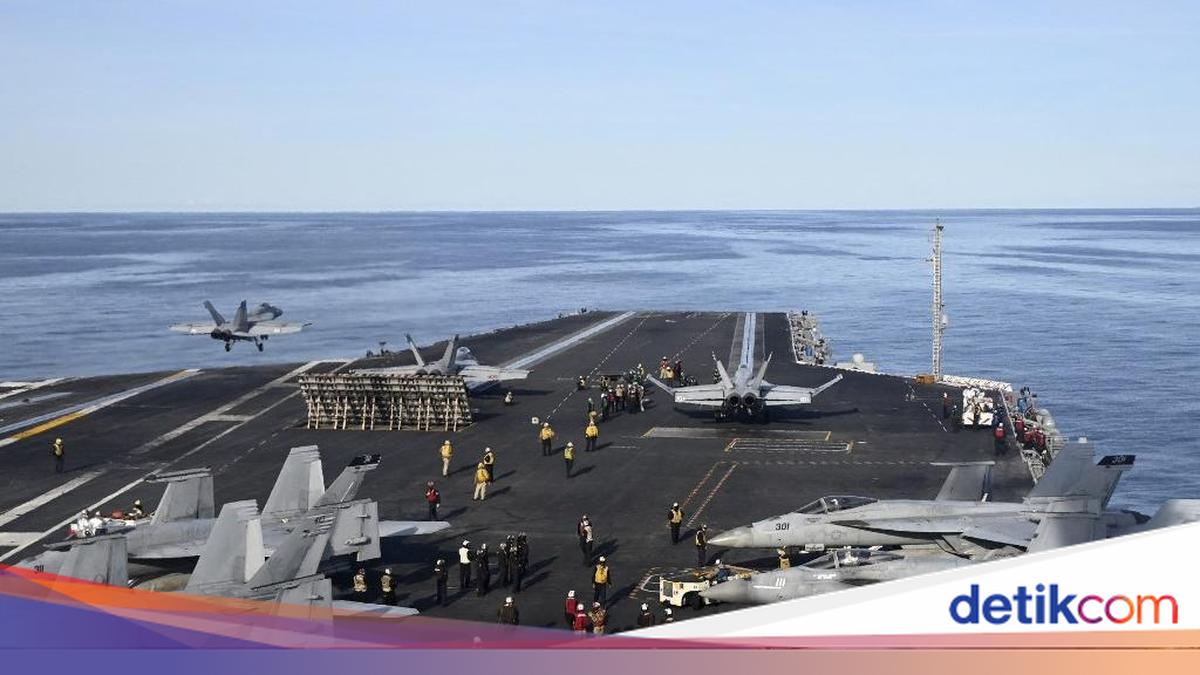
The deployment of the USS Gerald R. Ford aircraft carrier to the Middle East underscores the scale of the U.S. Commitment to the region. The carrier strike group provides the primary offensive and defensive punch for the U.S. In the Gulf, but the efficiency of its operations is heavily dependent on the cooperation of regional allies for logistical support and airspace coordination.
With the restrictions now removed, the Pentagon is in the process of assessing the optimal timeframe to resume these escort operations. U.S. Officials have indicated that activity could restart as early as this week. The focus will be on coordinating the U.S. Navy and Air Force to ensure a continuous and visible presence that deters interference with commercial traffic.
What This Means for Regional Stability
The decision by Riyadh and Kuwait City to reopen their bases suggests a calculated move to balance regional autonomy with the necessity of U.S. Security guarantees. For Saudi Arabia and Kuwait, the stability of the Strait of Hormuz is not just a global concern but a domestic economic necessity, as their own exports rely on the same waterways.
The coordination between the U.S. And these Gulf states is critical for maintaining a unified front against the forces driving the conflict. By allowing U.S. Forces to operate more freely, Saudi Arabia and Kuwait are effectively endorsing the U.S.-led effort to normalize transit in the Strait, potentially signaling a shift toward a more aggressive posture in ensuring the freedom of navigation.
However, the situation remains fluid. The conflict that began in February continues to cast a shadow over the region, and the resumption of U.S. Escort missions may provoke further reactions from opposing forces. The success of these operations will depend not only on the availability of bases but on the ability of the Wall Street Journal reported diplomatic agreements to hold under the pressure of active combat operations.
Key Takeaways: US-Gulf Military Access
- Access Restored: Saudi Arabia and Kuwait have revoked restrictions on U.S. Military access to their bases and airspace.
- Primary Goal: The move is designed to support U.S. Efforts to secure and reopen the Strait of Hormuz for commercial shipping.
- Operational Context: This follows a conflict that began in late February 2026 and a brief, 36-hour U.S. Mission that was temporarily paused.
- Next Steps: The Pentagon is currently determining the timeline to resume escort operations, with potential restarts occurring as early as this week.
- Strategic Impact: The removal of these barriers allows the U.S. Navy and Air Force to operate more effectively in a critical global energy chokepoint.
The Role of the Pentagon in the Coming Days
As the U.S. Military prepares to return to active escort duties, the Pentagon’s planners are focusing on the “framework of resumption.” This involves not only the physical movement of assets but the establishment of new rules of engagement and communication protocols with Saudi and Kuwaiti military commands to avoid the frictions that led to the previous restrictions.

The logistics of these missions are complex. Escorting commercial vessels requires a constant rotation of aircraft and ships to maintain a persistent presence. The ability to use regional bases for maintenance and refueling significantly reduces the strain on the USS Gerald R. Ford and other carrier-based assets, allowing them to remain on station longer and respond more quickly to emerging threats.
Military analysts suggest that the visibility of U.S. Forces operating from these bases will serve as a psychological deterrent. The message to regional adversaries is clear: the U.S. Has the full logistical backing of its primary Gulf allies to ensure that the Strait of Hormuz remains open to international commerce.
The coming days will be critical in determining whether this diplomatic breakthrough translates into a stable operational environment. If the U.S. Can successfully resume and sustain its escort missions without further interruptions from regional partners, it will mark a significant victory for the Trump administration’s strategy in the Middle East.
The next confirmed checkpoint for this development will be the official announcement from the Pentagon regarding the exact date and scale of the resumed escort operations in the Strait of Hormuz.
We invite our readers to share their perspectives on this developing story in the comments below. How do you see this shift affecting global energy prices and regional stability? Share this article to keep others informed on the latest geopolitical developments.