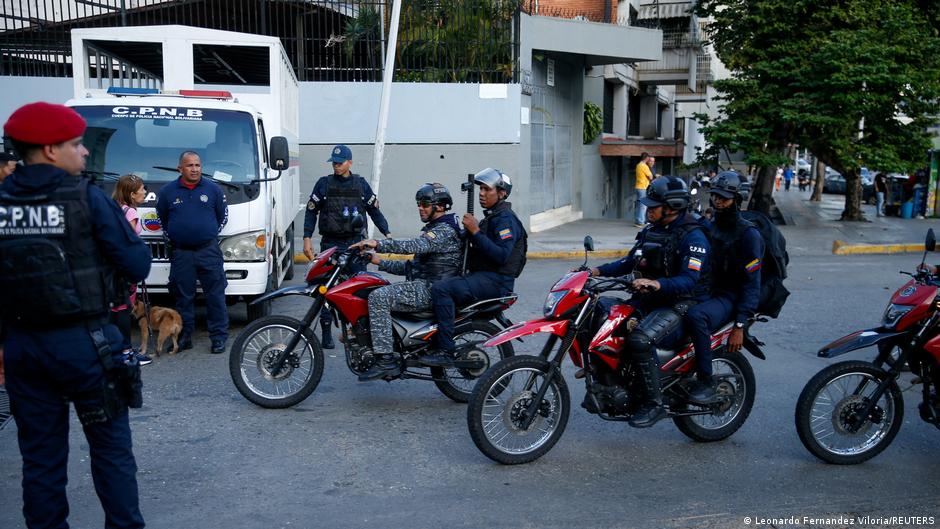
The agonizing wait for a family searching for a loved up in state custody has ended in tragedy, and controversy. After nearly ten months of silence and uncertainty, the Venezuelan government has finally acknowledged a Venezuela political prisoner death, confirming that Víctor Hugo Quero Navas died while detained in July 2025.
For the 82-year-old mother of Quero Navas, the resolution came not through a formal notification or a respectful handover of remains, but through a grueling search that ended at a grave marked only by a scrap of paper. The delayed admission of death has reignited international concerns regarding the treatment of detainees and the lack of transparency surrounding those held in state custody within the country.
The confirmation of Quero Navas’ death arrives amid a backdrop of severe political tension and longstanding allegations of human rights abuses. The case has become a focal point for advocates demanding accountability for “silent executions” and the systemic failure of due process for those accused of political crimes.
A Mother’s Search and the State’s Silence
The narrative of Víctor Hugo Quero Navas is defined by a void of information. For months, his family was left in the dark regarding his whereabouts and health, a situation that human rights monitors often categorize as a forced disappearance. The state’s failure to notify the next of kin immediately upon a prisoner’s death is a violation of basic international legal standards and humanitarian protocols.
The search culminated in a harrowing discovery by Quero Navas’ elderly mother, who eventually located her son’s burial site. Reports indicate the grave was unmarked, save for a piece of paper, suggesting a clandestine burial intended to avoid public or familial scrutiny. This lack of transparency has led critics to argue that the state sought to erase the evidence of the prisoner’s final days.
According to official statements released in May 2026, the government cited a death certificate indicating that Quero Navas succumbed to acute respiratory failure resulting from pulmonary complications in July 2025. However, the nine-month gap between the date of death and the official notification has cast deep suspicion on the validity of the medical findings.
The “Foreign Agent” Narrative and Allegations of Torture
The circumstances leading to the detention of Quero Navas were steeped in the Venezuelan government’s frequent use of “foreign interference” narratives. Authorities accused him of being an agent for the CNI (Centro Nacional de Inteligencia), the Spanish intelligence service. Such accusations are common in high-profile political cases in Venezuela, often used to justify prolonged detention without trial and the restriction of consular access.
Beyond the espionage charges, grave allegations of torture have surfaced. Advocates for the prisoner claim that Quero Navas was subjected to physical and psychological abuse during his incarceration. The accusation of being a foreign spy often serves as a catalyst for more aggressive interrogation techniques, as the state attempts to extract “confessions” or intelligence regarding international conspiracies.
This pattern of labeling political dissidents as foreign agents is a documented strategy used to delegitimize opposition and isolate prisoners from international support. By framing the detainee as a threat to national security, the state creates a legal shield that allows it to bypass standard judicial protections, effectively placing the individual in a legal vacuum.
Legal Recourse: The Order for Exhumation
In response to the outcry from the family and human rights organizations, the Venezuelan Prosecutor’s Office (Ministerio Público) has taken a significant, albeit belated, step. The office has officially ordered the exhumation of Víctor Hugo Quero Navas’ body to determine the actual cause of death.
The exhumation is seen as a critical move toward establishing whether the “acute respiratory failure” cited by the state was a natural occurrence or the result of neglect, torture, or direct violence. Forensic experts will be tasked with examining the remains for signs of trauma or chemical markers that could contradict the official death certificate.
For the family, the exhumation is not merely a legal procedure but a quest for dignity. The ability to properly identify the body and conduct a transparent autopsy is the only way to counter the state’s narrative. However, there are concerns regarding the independence of the forensic examiners, as the Prosecutor’s Office operates under the broader influence of the executive branch.
The Broader Pattern of State Custody Risks
The case of Quero Navas is not an isolated incident but part of a broader, systemic issue regarding the safety of political detainees in Venezuela. Human rights organizations, including the Office of the United Nations High Commissioner for Human Rights (OHCHR), have repeatedly warned about the risks of torture and extrajudicial killings within the prison system.
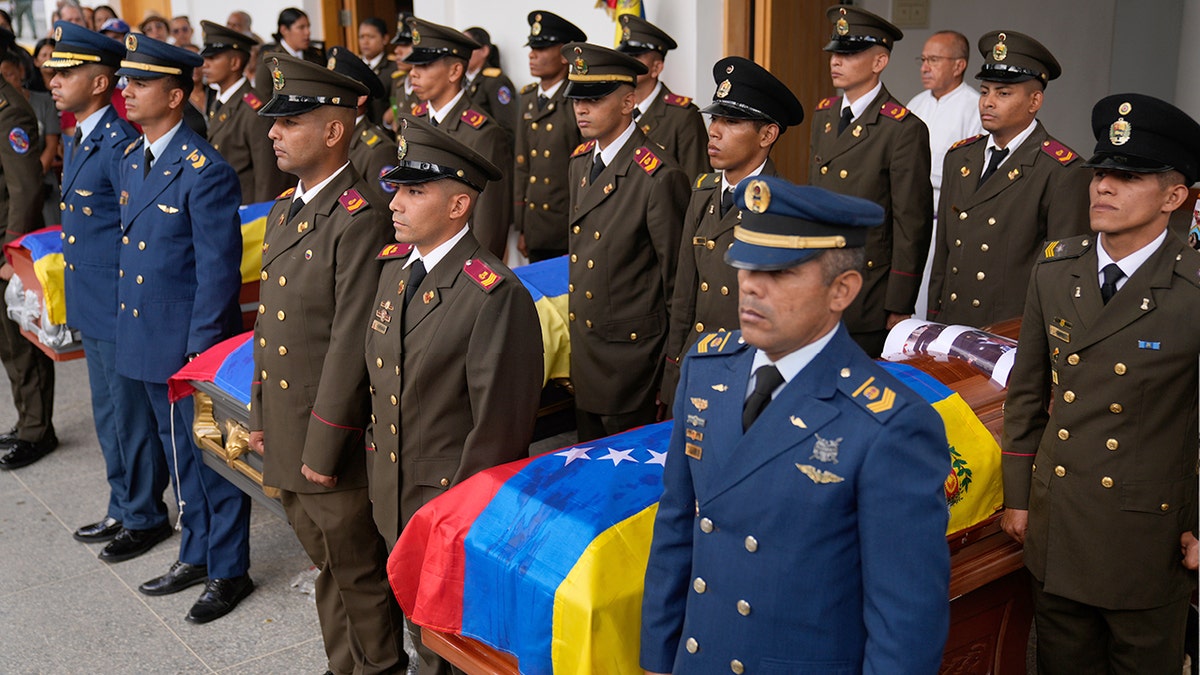
The “silent execution” pattern involves a sequence of events: an arrest often devoid of a warrant, a period of incommunicado detention, a death occurring under mysterious circumstances, and a delayed or denied notification to the family. This cycle ensures that by the time the death is acknowledged, the physical evidence of abuse may have decayed or been obscured.
Key risks identified in state custody include:
- Medical Neglect: The intentional withholding of medication or treatment for chronic conditions to weaken the prisoner.
- Psychological Warfare: Isolation and threats against family members to coerce cooperation.
- Lack of Judicial Oversight: The absence of habeas corpus petitions and the failure of courts to visit detention centers.
The impact of these practices extends beyond the individual victims. It creates a climate of fear among the general population and the political opposition, signaling that the state can remove individuals from society without consequence or accountability.
Accountability and the Path Forward
The international community continues to monitor the situation in Venezuela, with several nations and international bodies calling for independent investigations into deaths in custody. The use of the Spanish CNI accusation in this case may bring additional diplomatic pressure from Madrid, as the implication of a foreign intelligence agency adds a layer of international friction to the human rights crisis.
For the family of Víctor Hugo Quero Navas, the legal battle is now focused on the integrity of the exhumation process. They are seeking international observers to ensure that the forensic evidence is not tampered with and that the findings are reported accurately to the public.
The broader question remains: will the Venezuelan state move toward a system of accountability, or will the exhumation be a performative gesture to quiet international criticism? The answer will likely depend on whether the findings of the autopsy lead to the prosecution of the officials responsible for the prisoner’s care and the subsequent cover-up of his death.
Next Confirmed Checkpoint: The results of the forensic exhumation ordered by the Venezuelan Prosecutor’s Office are expected to be the next critical update in this case. The family and their legal representatives are awaiting the scheduling of the procedure and the appointment of the medical examiners.
World Today Journal encourages readers to share this story to keep international attention on the rights of political prisoners. We welcome your comments and reflections on the importance of state transparency in the comments section below.