
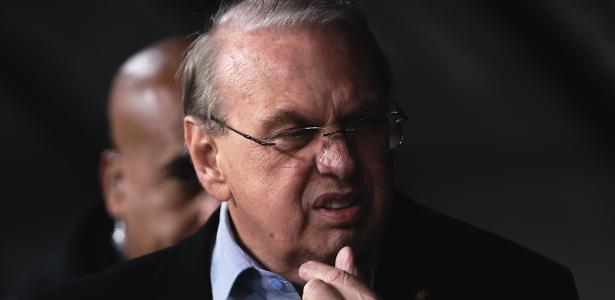
Sport Club Corinthians Paulista, one of the most storied and supported institutions in global football, is currently grappling with a critical internal crisis. Reports have emerged that the club has fallen behind on salary payments for its professional squad and technical commission, signaling a deepening of the financial instability that has haunted the São Paulo-based giant for several seasons.
For a club of Corinthians’ stature, salary arrears are more than just an accounting failure; they represent a significant risk to sporting stability. In the high-stakes environment of the Brazilian Série A and international competitions, the delay of wages can lead to fractured locker room morale, potential legal disputes via FIFA or the National Labor Court, and a diminished ability to attract and retain top-tier talent.
This latest development arrives as the club’s administration attempts to navigate a complex web of legacy debts and operational deficits. While the “Timão” continues to command a massive global following and significant commercial revenue, the gap between its earnings and its obligations has created a precarious financial ceiling that now threatens the daily operations of the first team.
The Mechanics of the Financial Crisis
The current struggle to meet payroll is not an isolated incident but rather a symptom of a systemic financial crisis. Corinthians has long struggled with a debt burden that has reached staggering levels, complicated by the financing and management of the Neo Química Arena. The interplay between the club’s sporting ambitions and its fiscal reality has often led to a cycle of borrowing and delayed payments to cover immediate operational costs.

Financial instability in Brazilian football often stems from a misalignment between aggressive player acquisitions and sustainable revenue growth. When a club prioritizes short-term sporting success through high-salary contracts without a corresponding increase in liquid assets, the result is often a liquidity crisis. For Corinthians, this has manifested in a recurring struggle to maintain a consistent payment schedule for its employees, including the coaching staff and the professional athletes.
The impact of these delays is amplified by the stringent regulations governing professional contracts. Under FIFA’s Regulations on the Status and Transfer of Players, athletes may have grounds to terminate their contracts for “just cause” if salaries are overdue for a specific period. While the club typically resolves these arrears before they reach a legal breaking point, the recurring nature of these delays creates an environment of uncertainty that can distract players from their performance on the pitch.
Impact on the Professional Squad and Technical Staff
The technical commission—comprising the head coach, assistants, and medical staff—is often the first to feel the pressure of financial mismanagement. These professionals are responsible for the tactical and physical preparation of the team, and their ability to lead effectively is tied to the stability of the environment. When the administration fails to meet its financial commitments, it erodes the trust between the sporting department and the executive board.
Within the professional squad, the reaction to salary delays varies. Established veterans may be more patient, trusting the club’s history and eventual ability to pay, while newer signings or foreign players may view such delays as a red flag regarding the club’s professional standards. This disparity can create internal friction, potentially dividing the locker room at a time when unity is essential for competitive success.
the psychological toll of financial uncertainty cannot be overlooked. Professional athletes operate on relatively short career timelines, and the security of their income is paramount. When wages are delayed, the focus often shifts from tactical execution and training intensity to financial anxiety, which can manifest as a dip in on-field performance.
A Comparative Look at the Brazilian Landscape
The financial disparity within the Brazilian league has become more pronounced in recent years. While some clubs have adopted more conservative, sustainable models of growth, others have leaned into high-risk spending to keep pace with the evolving market. The contrast is most evident when comparing Corinthians to its local rivals, such as Palmeiras, who have maintained a more stable financial trajectory through a combination of disciplined management and strategic partnerships.
This “financial gap” is not merely about the total amount of money spent on the payroll, but rather the consistency and reliability of those payments. A club that can guarantee its payroll on the first of every month possesses a competitive advantage that transcends the actual dollar amount of the salaries. It fosters a culture of professionalism and trust that allows the coaching staff to focus entirely on sporting results rather than administrative firefighting.
For Corinthians to bridge this gap, a fundamental restructuring of its debt management is required. This includes not only negotiating longer terms for its existing liabilities but also diversifying its revenue streams beyond traditional match-day income and broadcasting rights. The club’s massive fan base remains its greatest asset, providing a foundation for commercial growth that few other clubs in the world can match.
The Path Toward Fiscal Stabilization
Stabilizing the accounts of Sport Club Corinthians Paulista will require a multi-pronged approach. The board must balance the immediate need to satisfy current creditors and employees with the long-term goal of reducing the overall debt load. This often involves a painful process of austerity, which may include selling key assets or reducing the overall wage bill—moves that are often unpopular with the fanbase but necessary for survival.
One of the primary challenges is the management of the “floating debt”—the short-term obligations that create the liquidity crises leading to salary delays. By securing more stable lines of credit or implementing more rigorous budget controls, the club can avoid the cycle of “patchwork” financing that has characterized its recent history.
the implementation of more transparent financial reporting would help restore confidence among investors, and partners. When a club is open about its challenges and presents a clear, actionable plan for recovery, it is more likely to find the support needed to navigate its way out of a crisis. The goal is to move from a state of crisis management to one of strategic financial planning.
Key Takeaways: The Corinthians Financial Crisis
- Immediate Issue: The club has reported delays in paying salaries for the professional squad and technical staff.
- Root Cause: A systemic financial crisis driven by massive legacy debts and operational deficits.
- Sporting Risk: Salary arrears can lead to player dissatisfaction, decreased morale, and potential legal actions under FIFA regulations.
- Competitive Gap: The financial instability creates a disadvantage compared to rivals who maintain sustainable payment models.
- Necessary Action: Long-term stability requires debt restructuring, austerity measures, and more transparent fiscal management.
What Happens Next?
The immediate focus for the Corinthians administration is to settle the outstanding wages to prevent further escalation within the locker room. The club’s board is expected to provide updates on the payment schedule in the coming days, as they seek to reassure the squad and the technical commission of their commitment to resolving the arrears.
Beyond the immediate payments, the broader conversation will center on the club’s upcoming financial audits and the presentation of a revised budget for the next fiscal period. These milestones will be critical in determining whether the club is making genuine progress toward stability or merely delaying an inevitable reckoning.
As an editor who has covered the fluctuations of South American football for over a decade, I have seen many giants stumble under the weight of their own ambitions. However, the resilience of Corinthians’ supporters and the sheer scale of the institution provide a pathway to recovery, provided the leadership prioritizes fiscal sanity over short-term optics.
We want to hear from you. Do you believe the current board can steer Corinthians back to financial health, or is a total structural overhaul required? Share your thoughts in the comments below and share this story with other football enthusiasts.