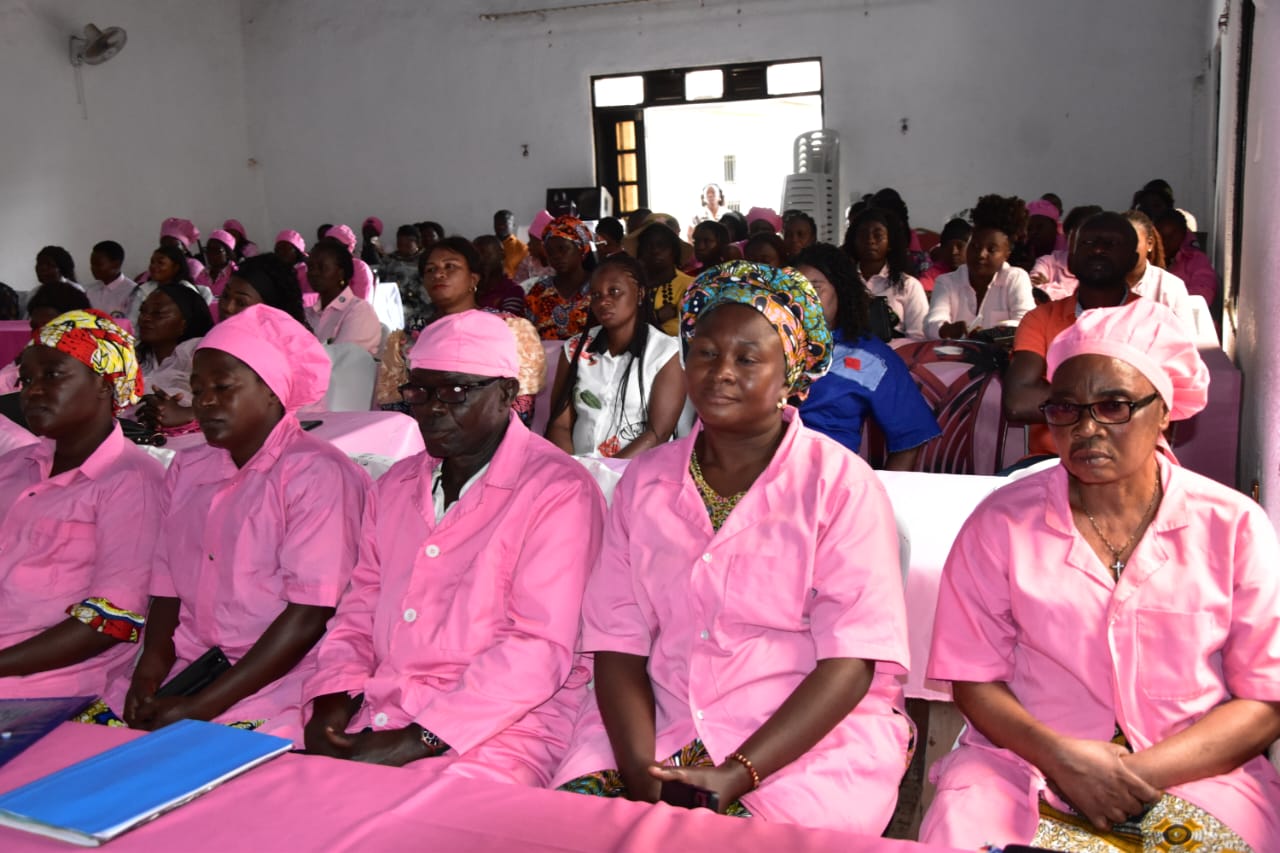
In the volatile landscapes of the eastern Democratic Republic of the Congo (DRC), the act of bringing new life into the world has become a perilous gamble. For thousands of women in North Kivu, the intersection of violent conflict and a collapsing healthcare system has turned pregnancy into a high-stakes struggle for survival, where the lack of a skilled attendant or a functioning clinic often marks the difference between life and death.
The crisis has reached a breaking point. Local health advocates and professional bodies are now sounding a desperate alarm over a surge in preventable deaths. Reports from the region indicate a harrowing trend: in the first four months of the year, more than 80 maternal deaths have been recorded in North Kivu. This spike is not merely a statistical anomaly but a reflection of a systemic failure driven by the escalation of hostilities between national forces and rebel groups, which has severed the lifeline between expectant mothers and the care they urgently require.
As a senior editor who has spent over a decade documenting the resilience of the human spirit through sports and international reporting, I have seen how infrastructure can sustain or fail a population. In North Kivu, the infrastructure is not just failing—it is being dismantled by war. When hospitals close and roads become battlefields, the most vulnerable are left to navigate the complexities of childbirth in overcrowded displacement camps or in the silence of isolated villages, far from the reach of emergency obstetric care.
The current situation is a stark reminder that maternal health is not just a medical issue; it is a fundamental human rights crisis. In a region where the “unmet need” for family planning and safe delivery services is staggering, the loss of 80 mothers in a single quarter is a tragedy that demands immediate global attention and a coordinated humanitarian response.
The Conflict-Health Nexus: Why Maternal Mortality is Spiking
The surge in maternal mortality in North Kivu is inextricably linked to the security vacuum created by the ongoing M23 insurgency. The conflict has triggered massive population displacements, forcing hundreds of thousands of women into informal camps where sanitation is poor and medical facilities are virtually non-existent. For a pregnant woman, displacement means the loss of prenatal care—the critical window where complications like pre-eclampsia or gestational diabetes are identified and managed.
When labor begins in a war zone, the obstacles are manifold. Many women are forced to travel through “red zones”—areas of active fighting—to reach the nearest functioning health center. The risk of encountering armed groups or being caught in crossfire often outweighs the perceived risk of delivering without medical assistance. Many women attempt home births without the support of skilled birth attendants, leaving them defenseless against postpartum hemorrhage or obstructed labor, the leading causes of maternal death globally.
the psychological toll of living under constant threat of violence cannot be overstated. Chronic stress and trauma associated with conflict are known to complicate pregnancies, increasing the likelihood of premature births and low birth weights. The collapse of the social fabric in North Kivu means that the traditional support systems—families and community elders—are also displaced, leaving women to face the perils of childbirth in profound isolation.
The Alarm from the Frontlines: The Role of Midwives
The warning issued by the Order of Midwives in North Kivu is a critical intervention. Midwives are the backbone of maternal health, particularly in rural and conflict-affected areas. They are often the only trained professionals capable of managing a delivery or recognizing the early signs of a life-threatening complication. However, the midwives themselves are working under impossible conditions.

Many health centers have been looted or occupied by armed factions, leaving midwives without the basic tools of their trade—sterile gloves, oxytocin to prevent bleeding, or clean surgical instruments. The “alarm” being raised is not only about the number of deaths but about the professional desperation of health workers who are forced to watch patients die from conditions that are easily treatable in any stable environment.
The shortage of skilled personnel is exacerbated by the “brain drain” caused by insecurity. Many trained nurses and doctors have fled the region, leaving the remaining staff overwhelmed and exhausted. The Order of Midwives is calling for urgent reinforcements and the establishment of “safe corridors” that would allow pregnant women to reach clinics without fear of violence, and allow medical supplies to reach the interior of the province.
The Infrastructure Gap and the Necessity of Mobile Care
In North Kivu, the traditional model of hospital-based care has largely collapsed. In some areas, only a small fraction of hospitals and health centers remain operational. This vacuum has made mobile health clinics a vital, albeit insufficient, alternative. These units, often supported by international agencies like the UNFPA (United Nations Population Fund), provide the only access to reproductive health services for women in displacement camps.
Mobile clinics offer a glimmer of hope, providing prenatal screenings, delivery assistance, and basic postnatal care. However, they are limited by their capacity. They cannot perform emergency C-sections or manage severe sepsis, which require a fully equipped operating theater and a stable power supply. When a mobile team identifies a high-risk pregnancy, the challenge then becomes transporting the patient to a functioning hospital—a journey that, in the current climate, can be a death sentence.
The systemic failure is further compounded by a lack of basic resources. Clean water, electricity, and a reliable supply of blood for transfusions are luxuries in the heart of the conflict. Without these, even the most skilled midwife cannot stop a fatal hemorrhage. The gap between the need for emergency obstetric care and the available resources is where the 80+ deaths mentioned in recent reports occur.
Broader Implications for the Democratic Republic of the Congo
While North Kivu is currently the epicenter of this crisis, the challenges are reflective of a broader national struggle. The DRC consistently ranks among the countries with the highest maternal mortality ratios in the world. According to data from the World Health Organization (WHO), the lack of access to skilled care and the prevalence of poverty and conflict create a “perfect storm” for maternal death.
The crisis in the east serves as a warning for other conflict-affected regions. When healthcare is weaponized or neglected during war, the impact lasts for generations. The death of a mother often leads to increased mortality for her children and destabilizes the economic and social viability of the entire family unit. In the context of the DRC, where women are the primary drivers of agricultural productivity and household management, these losses are catastrophic.
To address this, a shift in strategy is required. The international community must move beyond short-term emergency aid and invest in “resilient health systems.” This includes training more local midwives, securing health facilities as neutral zones under international law, and integrating maternal health into the broader peace-building agenda. Peace is not merely the absence of war; it is the presence of the conditions necessary for a mother to give birth without fearing for her life.
Key Takeaways: The Maternal Health Crisis in North Kivu
- Death Toll: Reports indicate over 80 maternal deaths in the first four months of the year in North Kivu alone.
- Primary Drivers: The escalation of the M23 conflict, massive population displacement, and the collapse of health infrastructure.
- Critical Gaps: A severe lack of skilled birth attendants, functioning hospitals, and safe transport to emergency care.
- Lifeline Services: Mobile health clinics are currently the primary source of care for displaced women, though they cannot handle complex surgical emergencies.
- Urgent Needs: Establishment of safe corridors for patients and the provision of essential medical supplies to remaining health centers.
What Happens Next?
The immediate priority is the stabilization of the security situation around Goma and the surrounding territories to allow for the reopening of closed health centers. Humanitarian organizations are continuing to lobby for increased funding to expand mobile clinic coverage, but these are stopgap measures. The long-term solution requires a political settlement that ends the hostilities in the east.

The next critical checkpoint will be the upcoming quarterly health review by the provincial health ministry and its international partners, where updated mortality figures and resource gaps will be analyzed. This data will be essential for determining the scale of the emergency response needed for the remainder of the year.
The tragedy in North Kivu is a call to action for the global community. We cannot allow the silence of a war zone to mask the screams of women dying from preventable causes. The survival of mothers in the DRC should not be a matter of chance, but a guaranteed right.
Do you believe the international community is doing enough to protect healthcare workers in conflict zones? Share your thoughts in the comments below or share this article to raise awareness about the crisis in North Kivu.