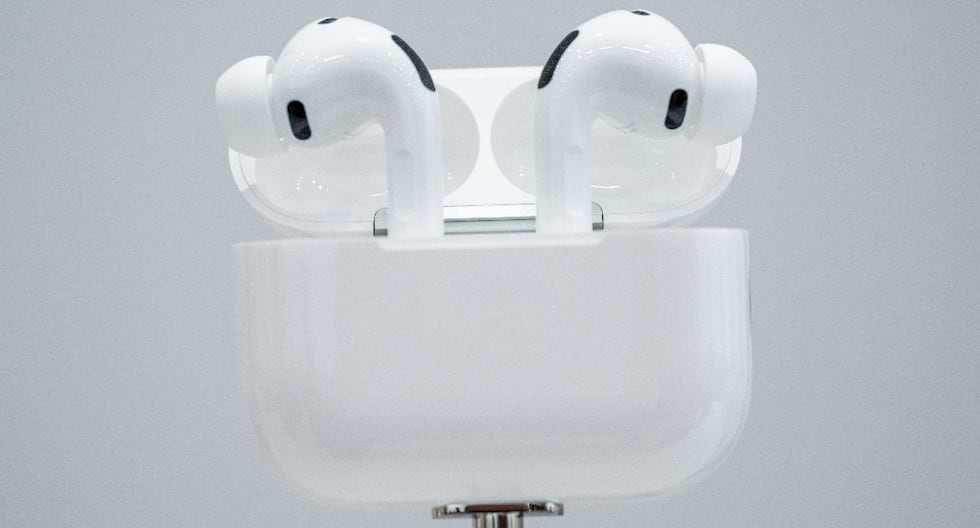
The boundary between our digital assistants and the physical world is thinning. For years, Apple has positioned Siri as a voice-activated companion, but the next evolution of the company’s wearable strategy may give the AI something it has always lacked: a set of eyes.
Reports indicate that Apple is in the late stages of developing AirPods equipped with integrated cameras, a move that would shift the earbuds from simple audio peripherals to sophisticated sensory devices. This development signals a pivot toward “Visual Intelligence,” allowing the device to interpret a user’s surroundings in real-time to provide context-aware assistance.
According to reporting from Bloomberg, these camera-equipped AirPods are currently undergoing late-stage testing. Unlike traditional cameras designed for photography or videography, these sensors are intended to power computer vision, enabling Siri to “see” what the user sees and answer questions about the immediate environment.
For the global tech community, this represents a significant leap in ambient computing. By integrating visual sensors into a form factor as unobtrusive as an earbud, Apple is attempting to solve the “context problem” that has long plagued virtual assistants—the gap between a user’s request and the AI’s understanding of the user’s current physical reality.
Beyond Audio: The Era of Visual Intelligence
The core of this new hardware is not the camera itself, but the artificial intelligence driving it. Apple is reportedly focusing on computer vision—which the company refers to as Visual Intelligence—rather than traditional image capture. This distinction is critical; the goal is not to replace the iPhone camera, but to provide a constant, low-power stream of environmental data to the AI.
In practical terms, this capability could transform how users interact with their surroundings. Instead of holding up a phone to translate a sign or identify a landmark, a user could simply ask Siri for information about what they are looking at. Potential applications include landmark-based navigation, where the AI provides directions based on visual cues, or the ability to identify objects and text in real-time without the need for a screen.
this visual awareness could enable a new tier of proactive notifications. Reports suggest Apple is working on features that can surface reminders based on geographic and visual cues. For example, the AirPods could recognize when a user has entered a specific store or is looking at a particular household item, prompting a reminder to buy a specific product or perform a task.
Hardware Adjustments and Design Challenges
Integrating cameras into a device as little as an earbud presents significant engineering hurdles. To accommodate the necessary sensors and processing hardware, the design of these new AirPods is expected to deviate from current models. Reports suggest the devices may resemble the AirPods Pro line but feature longer stems to house the camera modules and associated circuitry.
The transition to a camera-enabled design also requires a delicate balance of power consumption and thermal management. Constant visual processing is energy-intensive, meaning Apple must optimize its silicon to ensure that “Visual Intelligence” does not drastically reduce the battery life of the earbuds. This likely involves a tight integration with the Apple Neural Engine (ANE) found in the paired iPhone, offloading the heavy computational lifting to the phone while the AirPods handle the initial data capture.
While the hardware is reportedly in a “near-final” design phase, the software remains a variable. The release of these devices is closely tied to the rollout of Apple’s next-generation Siri and broader AI initiatives. Any delays in the refinement of the AI’s ability to accurately interpret visual data could potentially push back the commercial launch of the hardware.
Addressing the Privacy Paradox
The introduction of cameras into a device worn in the ear inevitably raises significant privacy concerns. The potential for “incidental capture”—recording people or private spaces without their knowledge—is a primary hurdle for consumer adoption and regulatory approval.
To mitigate these concerns, Apple is reportedly implementing a physical privacy indicator. A small LED light on the wireless earbuds will illuminate whenever the camera is actively capturing visual information. This design choice mirrors the privacy lights found on other smart wearables, providing a clear visual signal to bystanders that the device is operational.
Apple’s approach to data handling will also be under scrutiny. The company has historically emphasized on-device processing to protect user privacy. For these AirPods to be successful, Apple will likely need to demonstrate that the visual data used for “Visual Intelligence” is processed locally on the device or the paired iPhone, rather than being uploaded to the cloud for analysis.
The Competitive Landscape of Wearable AI
Apple is not alone in the pursuit of visually-aware wearables. The industry has seen a surge in “smart glasses” and AI-integrated eyewear, most notably the Ray-Ban Meta glasses, which allow users to ask AI questions about their environment. However, Apple’s approach differs by utilizing the earbud form factor, which is already a ubiquitous part of the modern consumer’s daily routine.
By leveraging the existing AirPods ecosystem, Apple can introduce AI vision to millions of users who may be hesitant to wear glasses but are already comfortable with earbuds. This strategy positions the AirPods not just as an audio accessory, but as the primary interface for a hands-free, screen-less AI experience.
This shift reflects a broader trend in the technology sector: the move toward “invisible” computing. The goal is to remove the friction of the screen, allowing the AI to blend into the background of the user’s life and provide information exactly when and where it is needed, without requiring the user to break their gaze from the world around them.
Key Takeaways for Consumers
- Purpose: The cameras are designed for “Visual Intelligence” (computer vision) to help Siri understand the user’s environment, not for taking photos.
- Design: Expect a design similar to AirPods Pro but with longer stems to accommodate the camera hardware.
- Privacy: A dedicated LED light will signal when the camera is active to alert others.
- Capabilities: Potential features include real-time object identification, landmark-based navigation, and visual-cue reminders.
- Status: The hardware is reportedly in late-stage testing, though the final release depends on the readiness of Apple’s AI software.
As Apple continues to refine its AI strategy, the integration of vision into its audio lineup marks a pivotal moment in the evolution of the Siri ecosystem. While the hardware is nearly ready, the true test will be whether the AI can provide enough utility to justify the addition of cameras to our ears.
The next major checkpoint for this technology will likely be Apple’s upcoming hardware events or developer conferences, where the company typically unveils its latest iterations of the AirPods lineup and AI capabilities. We will continue to monitor official filings and announcements for a confirmed release date.
Do you think camera-equipped earbuds are a step forward for productivity or a step too far for privacy? Let us know your thoughts in the comments below.
Worth a look