
Football in China is undergoing a grassroots transformation, and few regions are embracing this shift as comprehensively as the north. The Inner Mongolia Autonomous Region Football Super League, colloquially known as “Meng Chao,” is set to kick off on May 15, 2026, marking a strategic intersection of professional sports, regional tourism, and agricultural commerce.
While the competition on the pitch will be fierce, the 2026 edition of the league is designed to function as a multi-sector economic engine. By synchronizing the tournament schedule with the region’s peak travel seasons, local authorities are leveraging the “sports plus” model to drive visibility for Inner Mongolia’s cultural landmarks and rural industries.
For the global sports community, the “Meng Chao” represents a growing trend in Asian football: the transition from top-down professional structures to community-driven, regional leagues that prioritize local identity and economic sustainability. The upcoming season is not merely a quest for a trophy, but a concerted effort to integrate athletic excellence with the broader livelihood of the autonomous region.
A Strategic Kickoff: The May 15 Launch
The 2026 Inner Mongolia Autonomous Region Football Super League will officially begin on May 15, bringing together clubs from across the region to compete in a high-stakes grassroots environment. The timing of the launch is intentional, aligning the start of the football season with the onset of the region’s most favorable weather and tourism windows.
This league serves as a critical pillar for football development in Northern China. By providing a structured, competitive platform for local athletes, the “Meng Chao” bridges the gap between amateur play and the professional tiers. The focus remains on expanding the footprint of the sport in areas where football has historically struggled to find a permanent foothold, utilizing the passion of local supporters to build a sustainable sporting culture.
The integration of the league into the regional calendar suggests a broader ambition. Rather than treating the tournament as an isolated sporting event, the organizers have framed it as a regional festival. This approach is intended to attract not only football enthusiasts but also domestic and international visitors interested in the unique geography and culture of the Inner Mongolian grasslands.
Beyond the Pitch: The ‘Green Channel’ for Agriculture
One of the most innovative aspects of the 2026 league is its direct link to the region’s agricultural sector. In a move to support local farmers and producers, a dedicated “green channel” has been established to facilitate the rapid transport of agricultural and livestock products during the tournament period.
This logistics initiative aims to ensure that fresh produce and livestock products can reach markets and consumers within a 48-hour window. By utilizing the increased foot traffic and logistical mobilization associated with the football league, the region is effectively using sports as a catalyst for supply-chain efficiency. This synergy allows local producers to capitalize on the influx of visitors and the heightened regional attention generated by the matches.
This model of “Sports + Agriculture” is a departure from traditional league management. It recognizes that in vast regions like Inner Mongolia, the primary challenge is often logistics rather than production. By aligning the “green channel” with the league’s schedule, the autonomous region is transforming a sporting event into a viable commercial corridor for rural goods.
Synergizing Sports and the ‘Golden Season’ of Tourism
The 2026 season coincides with what is locally termed the “most beautiful golden season,” a period when the landscapes of Inner Mongolia are at their most visually stunning. To maximize this, the region has launched a series of cultural and tourism initiatives designed to work in tandem with the football schedule.

The strategy involves a “whole-region linkage,” where match venues are integrated with tourism circuits. Fans traveling to support their teams are encouraged to explore local scenic spots, experience traditional Mongolian culture, and utilize specialized tourism benefits introduced specifically for the “Meng Chao” season. This holistic approach aims to extend the average stay of visitors, thereby increasing the economic impact on local hospitality and service industries.
By positioning the league as a gateway to the region’s natural beauty, Inner Mongolia is attempting to redefine the “sports tourist.” The goal is to move beyond the traditional spectator model and create an experience where the football match is the centerpiece of a broader cultural exploration. This strategy is expected to boost regional visibility and promote sustainable tourism in the grasslands.
The Broader Context: Grassroots Growth in Northeast China
The rise of the Inner Mongolia Autonomous Region Football Super League does not happen in a vacuum. This proves part of a wider resurgence of grassroots football across Northeast China. Recent developments indicate a growing appetite for urban and regional leagues that emphasize community ownership and local pride over the volatility of high-spending professional franchises.
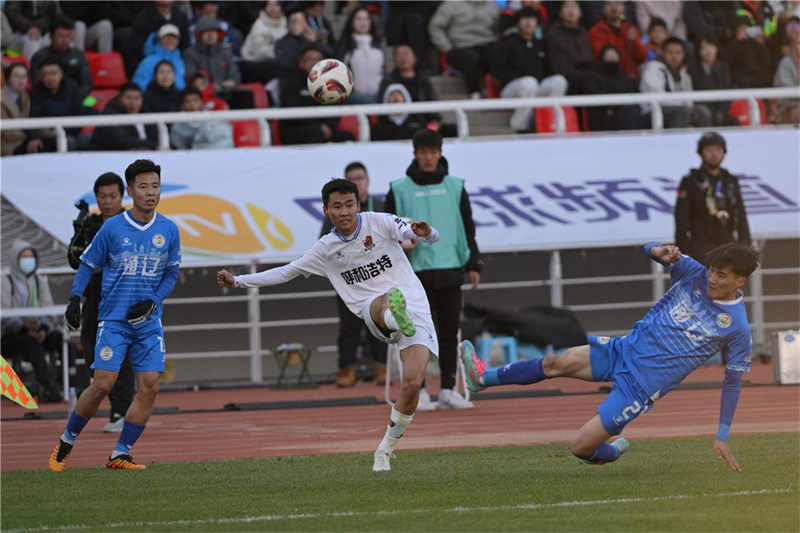
The “Meng Chao” mirrors similar efforts seen in neighboring provinces, where urban football leagues are being used to revitalize city centers and foster social cohesion. The emphasis on “grassroots” is key; by lowering the barrier to entry and focusing on regional identity, these leagues are building a more resilient foundation for the sport in China.
For analysts and sports journalists, this shift is significant. It suggests a move toward a more organic growth model for football in Asia—one where the sport is woven into the social and economic fabric of the community. The success of the Inner Mongolia model, particularly its integration with agriculture and tourism, could serve as a blueprint for other regional leagues across the continent.
Key Logistics and Integration Summary
- Tournament Start: May 15, 2026.
- Economic Focus: Integration of sports, tourism, and agricultural logistics.
- Logistics Milestone: 48-hour “green channel” for fresh agricultural and livestock delivery.
- Tourism Strategy: Coordination with the “golden season” for maximum regional visibility.
- Development Goal: Strengthening grassroots football infrastructure in Northern China.
As the May 15 kickoff approaches, the focus will shift from planning to execution. The success of the 2026 Inner Mongolia Autonomous Region Football Super League will be measured not only by the quality of the football but by the measurable increase in agricultural trade and tourism revenue for the region.
For the latest official updates on match schedules, venue information, and tourism advisories, interested parties should monitor the Inner Mongolia Government Portal or the official announcements from regional sports bureaus.
World Today Journal will continue to track the progress of the “Meng Chao” and its impact on the regional economy. We invite our readers to share their thoughts on the “sports plus” model in the comments below.
Worth a look