
For decades, the clinical approach to treating depression has largely focused on a process of subtraction. The goal has been to diminish the “negative”—to reduce the crushing weight of sadness, the grip of anxiety, and the persistence of hopelessness. While this strategy has helped millions, many patients find that even after their symptoms of distress fade, a hollow space remains. They are no longer profoundly sad, but they are not yet happy.
This gap in care highlights a critical distinction in mental health: the difference between the absence of negative emotions and the presence of positive ones. Emerging research suggests that targeting “low positive affect”—the inability to experience joy, interest, or pleasure—may be the key to a more complete recovery. This shift in focus is central to a burgeoning approach known as positive affect treatment for depression.
A recent randomized clinical trial, published on April 24, 2026, in JAMA Network Open, explores this paradigm. The study assesses whether a treatment specifically designed to boost positive affect engages the brain’s reward systems more effectively than traditional treatments that focus on mitigating negative affect. By shifting the therapeutic lens from “stopping the pain” to “starting the joy,” researchers are investigating a new pathway toward emotional resilience.
As a physician and journalist, I have seen how traditional protocols can sometimes leave patients in a state of emotional neutrality—a “flatness” that persists long after the acute crisis of depression has passed. The move toward positive affect treatment represents a sophisticated evolution in our understanding of the human reward system and the complex architecture of mood disorders.
The Challenge of Anhedonia and Low Positive Affect
To understand why this approach is necessary, we must first address the symptom of anhedonia. Anhedonia is the reduced ability to experience pleasure from activities that were previously enjoyable. In the context of depression, It’s often the most stubborn symptom to treat. While an antidepressant or a course of cognitive behavioral therapy may successfully lift a patient out of a deep depressive episode, it does not always restore their capacity for joy.
Psychologically, negative affect (distress, anger, fear) and positive affect (enthusiasm, excitement, contentment) are not two ends of a single spectrum. Instead, they operate as two distinct emotional systems. It is entirely possible for a person to have low negative affect (feeling no distress) while simultaneously suffering from low positive affect (feeling no joy). This state of emotional void can be just as debilitating as active sadness, often contributing to a lack of motivation and a sense of disconnection from the world.
By treating these as separate targets, clinicians can move beyond the goal of “symptom reduction” and toward “functional restoration.” The objective is not merely to make the patient feel “less bad,” but to actively cultivate the skills and neurological responses required to feel “good.”
How Positive Affect Treatment Targets the Reward System
The core of positive affect treatment for depression lies in its engagement with the brain’s reward systems. Most traditional therapies for depression target the systems that regulate stress and emotional pain. In contrast, PAT is designed to “turn on” the mechanisms responsible for reward processing—the pathways that allow us to anticipate pleasure and feel satisfaction when we achieve a goal or connect with others.
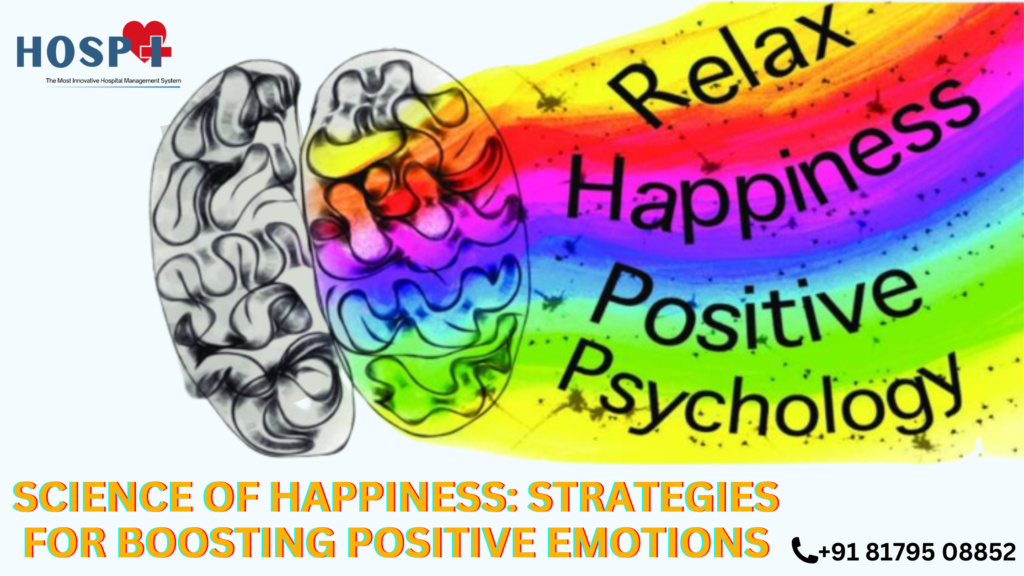
The JAMA Network Open trial specifically examines whether this targeted intervention can activate these reward systems more robustly than negative affect treatment. When the reward system is dormant, patients often experience a lack of drive, as the “payoff” for effort—the feeling of pleasure—is missing. By focusing on positive affect, the therapy aims to re-sensitize the brain to reward, effectively jump-starting the patient’s internal motivation.
This approach often involves specific skill-building exercises designed to increase a patient’s awareness of positive moments, however small, and to encourage behaviors that trigger reward responses. Rather than spending the entire therapeutic hour analyzing the roots of sadness, the focus shifts toward identifying and amplifying the triggers of positive emotion.
Comparing Positive and Negative Affect Interventions
The distinction between these two therapeutic paths is fundamental to how we view mental health recovery. While both are valuable, they serve different purposes in the healing process.
Negative affect treatment is essentially a defensive strategy. It builds walls against distress, provides tools to manage anxiety, and helps patients dismantle the cognitive distortions that lead to despair. It is often the necessary first step in crisis intervention, ensuring that a patient is stable and safe.
Positive affect treatment, however, is an offensive strategy. It is about growth, engagement, and the active pursuit of wellbeing. Instead of asking “What is making you sad?” the clinician might ask “What makes you feel alive?” or “When was the last time you felt a flicker of genuine interest?” By focusing on these prompts, the therapy seeks to rebuild the emotional infrastructure that depression has eroded.
The randomized clinical trial mentioned above provides a rigorous framework to test if this “offensive” strategy yields different neurological and psychological results than the “defensive” one. If the data confirms that PAT more effectively engages reward systems, it could lead to a significant change in how treatment plans are sequenced—perhaps introducing positive affect interventions earlier in the recovery process.
What This Means for the Future of Mental Health Care
The implications of this research extend beyond the clinic. If One can successfully target positive affect as a primary symptom, we may see a decrease in treatment-resistant depression. Many patients who are labeled “non-responsive” to medication or therapy may simply be responding to the reduction of negative affect while remaining trapped in a state of low positive affect.
For the global healthcare community, this suggests a need for more nuanced diagnostic tools. Currently, many depression screenings focus heavily on the presence of negative symptoms (insomnia, sadness, fatigue). Integrating specific metrics for positive affect—such as the capacity for joy and reward anticipation—would allow for more personalized treatment plans.
this shift encourages a more holistic view of mental health. It moves the conversation away from the medical model of “curing a disease” and toward a psychological model of “enhancing human flourishing.” It acknowledges that health is not merely the absence of illness, but the presence of vitality.
Key Considerations for Patients and Caregivers
- Consultation: If you or a loved one feels “flat” or unable to experience pleasure despite a reduction in sadness, discuss the concept of anhedonia and positive affect with a licensed mental health professional.
- Integrated Care: Positive affect interventions are often most effective when used alongside established treatments, rather than as a total replacement for them.
- Patience in Recovery: Rebuilding the reward system takes time. The process of “re-learning” joy is a gradual one that requires consistent effort and professional guidance.
As we continue to analyze the findings from the JAMA Network Open study and similar research, the medical community is moving toward a more comprehensive understanding of the human mind. We are learning that it is not enough to simply extinguish the darkness; we must also find a way to bring back the light.
The next major checkpoint for this field will be the wider dissemination of the results from these clinical trials and the potential integration of PAT into standard clinical guidelines for major depressive disorder. As more data becomes available, we can expect to see more specialized protocols that address the specific needs of patients suffering from reward-system dysfunction.
Do you believe the current approach to depression focuses too much on the negative? We invite you to share your thoughts and experiences in the comments below.
Related reading