
Public health authorities in the state of Paraná, Brazil, are currently managing a localized cluster of hantavirus infections, confirming two cases while investigating 11 additional suspected instances. The State Health Department (SESA) has moved to clarify the nature of these infections, explicitly stating that there is no connection between the cases in Paraná and a separate, highly publicized hantavirus outbreak occurring aboard a cruise ship in the Atlantic Ocean.
As a physician and journalist, I have seen how quickly health anxieties can scale in the digital age, often blurring the lines between different strains of a virus or unrelated geographical events. In this instance, the distinction is critical. The cases in Paraná appear to follow the typical zoonotic pattern—transmission from rodents to humans—whereas the cruise ship incident has raised rare questions about potential human-to-human transmission.
Hantavirus Pulmonary Syndrome (HPS) is a severe respiratory disease that remains rare but carries a high fatality rate if not treated early. For residents of Paraná and international travelers, understanding the specific risks and the mechanisms of spread is the most effective way to prevent infection and avoid unnecessary panic.
The Situation in Paraná: Surveillance and Investigation
The health authorities in Paraná are maintaining a state of rigorous surveillance following the confirmation of two hantavirus cases. According to the Secretaria de Saúde do Paraná (SESA), the department is currently conducting epidemiological investigations into 11 other suspected cases to determine if they are linked or isolated incidents of rodent exposure.
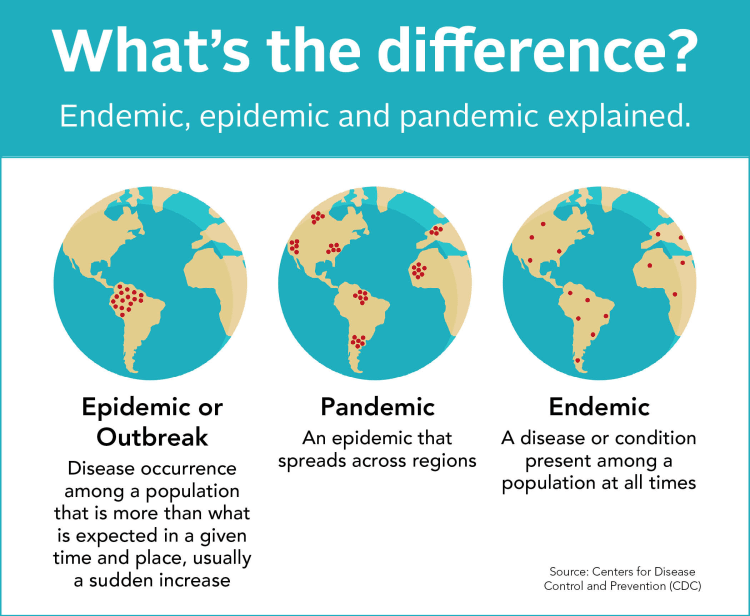
SESA has emphasized that the current cases in the region are consistent with the endemic behavior of the virus in certain rural or semi-rural areas of Brazil, where contact with infected rodent excreta is the primary driver of infection. By decoupling these local cases from the international cruise ship news, officials hope to maintain a focused public health response centered on environmental hygiene and rodent control.
The investigation into the 11 suspected cases involves clinical screening and laboratory confirmation. Because early symptoms of hantavirus often mimic the flu—including fever, myalgia, and fatigue—health professionals in the region have been alerted to maintain a high index of suspicion for patients presenting with these symptoms who have a history of exposure to rodent-infested areas.
Clarifying the Cruise Ship Outbreak
To understand why the Paraná government is so keen to distance its local cases from the cruise ship event, one must look at the nature of the outbreak in the Atlantic. A cruise ship traveling from Argentina to Cape Verde became the site of a rare hantavirus cluster. According to the World Health Organization (WHO), two cases were confirmed on the vessel, with five additional suspected cases under investigation.

The cruise ship incident is medically significant because of the suspected mode of transmission. While most hantaviruses are spread through the inhalation of aerosolized droppings, urine, or saliva from infected rodents, the Andes virus—native to South America—is the only known strain capable of person-to-person transmission. The WHO has indicated that human-to-human transmission is suspected in the cruise ship outbreak, a development that triggers a much higher level of international epidemiological concern than the zoonotic cases seen in Paraná.
The WHO has stated that the risk to the general public remains low, but the event has prompted a global review of how hantaviruses behave in confined environments. In contrast, the cases in Paraná are being treated as traditional environmental exposures, which do not pose a risk of contagion between people.
Medical Insight: What is Hantavirus Pulmonary Syndrome?
Hantavirus Pulmonary Syndrome (HPS) is a zoonotic viral infectious disease. From a clinical perspective, the virus targets the endothelial cells of the lungs, leading to increased permeability and the leakage of fluid into the alveolar spaces. This essentially causes the lungs to fill with fluid, leading to severe shortness of breath and potential respiratory failure.
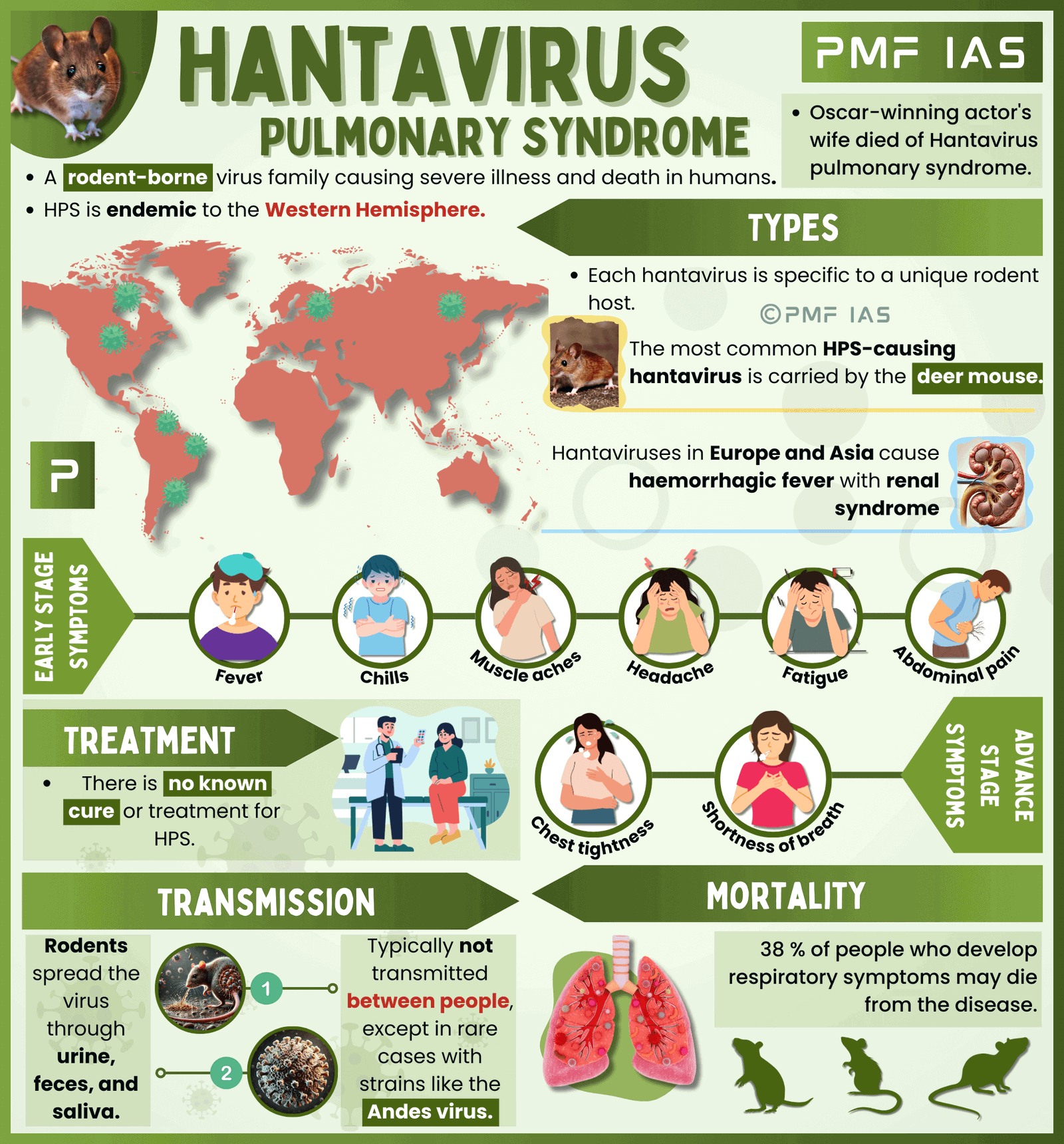
The transmission cycle typically begins with a rodent reservoir. Humans become infected primarily through “aerolization”—when dried rodent urine or droppings are stirred up (for example, during the cleaning of a shed or attic), the virus becomes airborne and is inhaled. Less commonly, infection can occur through a rodent bite or by touching contaminated surfaces and then touching the mouth or nose.
The progression of the disease generally occurs in two stages:
- The Prodromal Phase: Lasting several days, this stage is characterized by non-specific symptoms: fever, chills, muscle aches (particularly in the thighs, hips, and back), and fatigue. Some patients also experience nausea or abdominal pain.
- The Cardiovascular/Pulmonary Phase: This is the critical stage where patients develop a cough and rapid shortness of breath. As the lungs fill with fluid, the patient may enter cardiogenic shock, requiring intensive care and mechanical ventilation.
Because there is no specific antiviral cure for HPS, treatment is primarily supportive. Early hospitalization and aggressive respiratory support are the only ways to significantly improve survival rates. This is why rapid diagnosis in regions like Paraná is so vital.
Administrative Oversight and Legal Action
The management of hantavirus in Brazil has not been without controversy. Recent reports indicate that the Ministério Público (MP) has taken steps to involve the Tribunal de Contas da União (TCU) to investigate the measures taken by the federal health authorities to combat the virus. This legal move aims to ensure that the Ministry of Health has allocated sufficient resources and implemented effective prevention and surveillance protocols.
The involvement of the TCU suggests a scrutiny of public spending and the efficacy of the national health strategy. In a country as geographically diverse as Brazil, the ability to detect and respond to zoonotic outbreaks in remote areas is a significant logistical challenge. The investigation will likely focus on whether the government’s response time and resource distribution were adequate to prevent the spread of the virus in endemic zones.
Prevention and Public Safety Guidance
For those living in or visiting areas where hantavirus is endemic, such as parts of Paraná, prevention is entirely dependent on reducing rodent exposure. The most effective strategy is “rodent-proofing” the environment.
Safe Cleaning Practices: One of the most common mistakes people make is sweeping or vacuuming rodent droppings. This action launches the virus into the air. Instead, the Centers for Disease Control and Prevention (CDC) recommends wetting the area with a disinfectant or a bleach solution before cleaning. This prevents the particles from becoming airborne.
Environmental Management: Keeping food in rodent-proof containers and sealing gaps in walls and floors can reduce the rodent population inside homes. In rural areas, keeping vegetation trimmed around the house further discourages rodents from nesting near living quarters.
Frequently Asked Questions
Can I catch hantavirus from another person?
In almost all cases, no. Only the Andes virus strain, found in South America, has shown the ability to spread from person to person, and even then, We see rare and usually requires close contact. The cases currently being monitored in Paraná are not believed to be of this nature.
Is there a vaccine for hantavirus?
Currently, there is no widely available human vaccine for Hantavirus Pulmonary Syndrome. Prevention relies on environmental control and avoiding contact with rodent waste.
What should I do if I develop flu-like symptoms after cleaning a dusty area?
Seek medical attention immediately. Inform your healthcare provider about your potential exposure to rodents. Early intervention and supportive care in a hospital setting are critical for recovery.
The situation in Paraná serves as a reminder of the constant intersection between wildlife and human health. While the current number of cases is low, the vigilance of SESA and the transparency regarding the cruise ship outbreak are essential to preventing public misinformation.
The next critical checkpoint for this story will be the release of the laboratory results for the 11 suspected cases in Paraná, which will determine if the state is facing a localized cluster or a series of unrelated environmental exposures. We will continue to monitor the official updates from the State Health Department.
Do you live in a region where zoonotic diseases are common? Share your experiences with local health guidelines or ask your questions in the comments below.
Keep reading