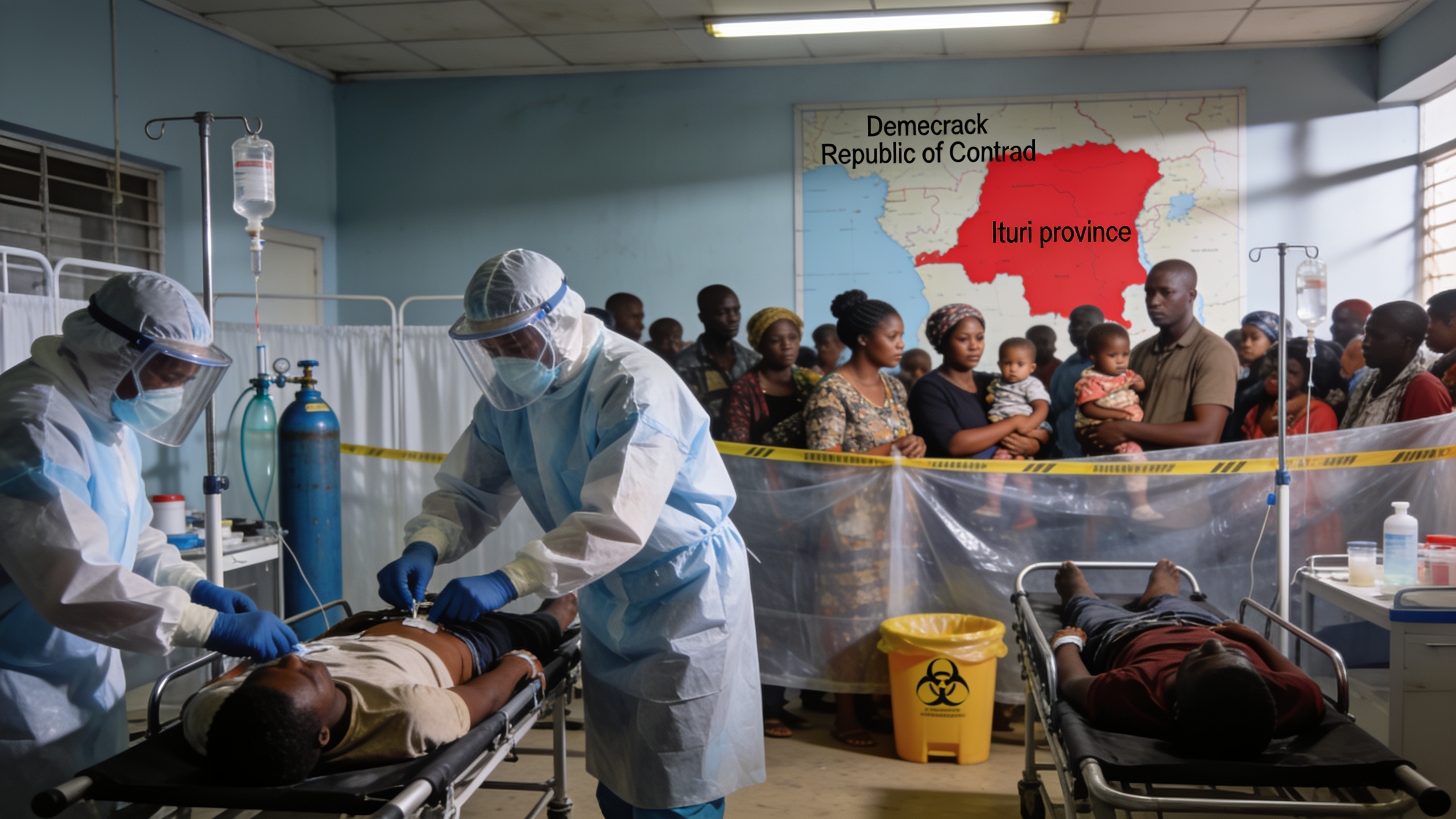
The University of Oxford’s Oxford Vaccine Group vaccinated the first volunteer on July 24, 2026, in the world’s first clinical trial for a vaccine targeting the Bundibugyo ebolavirus (BDBV). The trial aims to combat a fast-spreading outbreak in the Democratic Republic of Congo where no approved vaccines currently exist.
The ChAdOx1 BDBV vaccine candidate moved from concept to clinic in just eight weeks
, according to Dr. David Pulido-Gomez of the Pandemic Sciences Institute. This rapid development utilized the same technology as the Oxford/AstraZeneca COVID-19 vaccine and relied on manufacturing capabilities at the University’s Clinical BioManufacturing Facility and the Serum Institute of India (SII), which stockpiled 620,000 doses in record time.
The Ituri Epicentre and Outbreak Scale
The current epidemic, declared on May 15, is described by the World Health Organization (WHO) as the fastest-growing Ebola outbreak on record. While the virus has been reported in five provinces—North Kivu, South Kivu, Haut-Uele, Tshopo, and Ituri—the province of Ituri is the primary driver of the crisis.
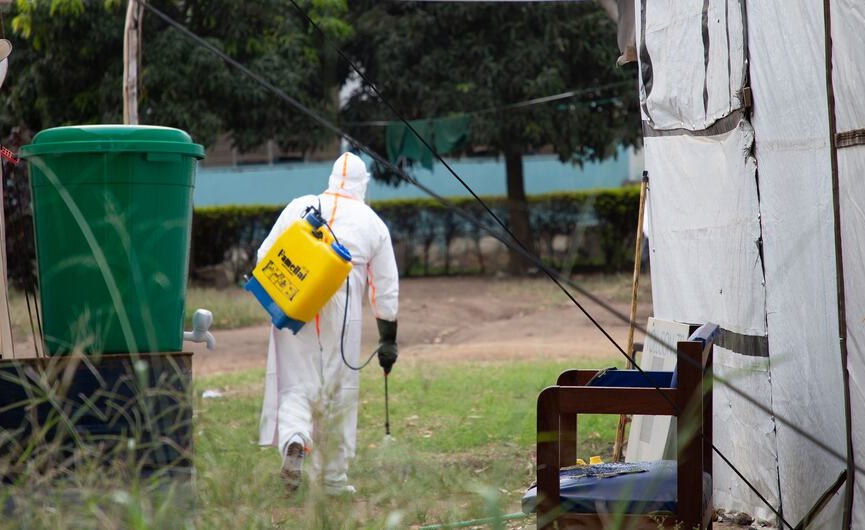
Casualty figures vary slightly across reports due to data consolidation and reporting delays. One update from Congo’s public health institute cited 2,536 confirmed cases and 1,033 deaths, while the WHO reported 2,073 cases and 796 deaths in a separate update.
Funding and the ChAdOx1 BDBV Trial
The clinical trial is supported by a US$8.6 million programme from the Coalition for Epidemic Preparedness Innovations (CEPI). Researchers will spend the coming months monitoring participants to evaluate safety and immune responses. This trial is one of several scientific efforts currently underway to find a solution, including tests of the antiviral remdesivir, the monoclonal antibody MBP134, and a post-exposure prophylaxis trial with obeldesivir.
The speed of market rollout is a direct response to the urgency in the DRC.
Barriers to Containment in Eastern DRC
Health officials are struggling to keep pace with the virus due to chronic instability and active conflict in eastern Congo. The WHO reports that rebel militia violence remains rampant and communities live in fear of conflict.
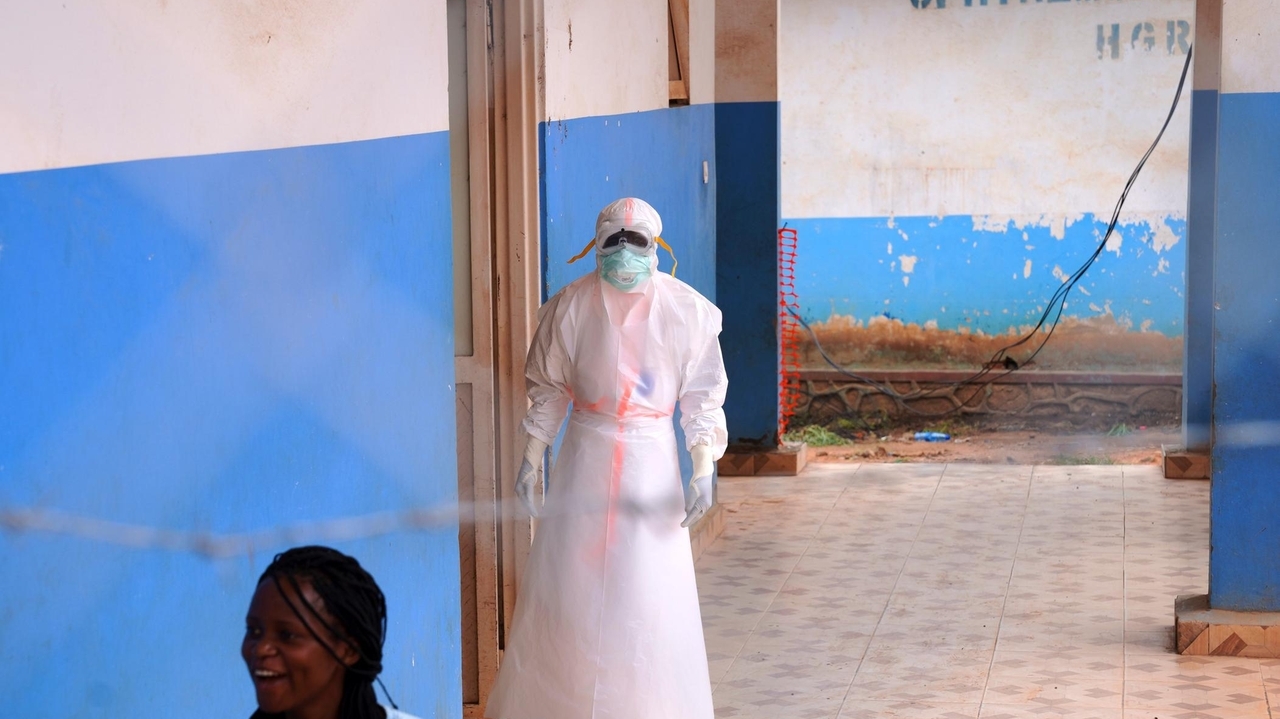
Containment is further hampered by a breakdown in community tracing. According to reporting from the source articles, more than 80% of new infections are occurring outside known contact lists.
Global support has also fluctuated. Some health sources and aid workers have cited challenges in containing the outbreak. In contrast, international health teams are actively engaged.
Regional Spread and International Risk
While the outbreak is concentrated in Congo, it has crossed borders into Uganda. The WHO has already discharged the final patient in Uganda, beginning the 42-day countdown to officially declare the end of the outbreak there.
| Metric | Status/Detail |
|---|---|
| Vaccine Status | No approved vaccine for Bundibugyo virus; ChAdOx1 in Phase I trial |
| Epicentre | Ituri Province, DRC (>90% of cases) |
| Uganda Status | 20 cases, 2 deaths; final patient discharged |
| Case Fatality | Fatality rate of around 40 per cent for full-blown BDBV disease |
As the trial progresses, the immediate priority for the WHO remains the expansion of clinical case management and safe burials in active transmission areas. The outcome of the Oxford trial will determine if the ChAdOx1 BDBV vaccine can be scaled to provide protection against this specific strain.
Related reading