
The architectural foundation of transatlantic security is facing a crisis of confidence that may be irreversible. Anders Fogh Rasmussen, the former Secretary General of NATO and former Prime Minister of Denmark, has issued a stark warning regarding the stability of the alliance, suggesting that the world is currently witnessing the dissolution of the organization.
In a recent interview with the German publication Die Welt, Rasmussen argued that the current trajectory of the alliance is not only unsustainable but dangerous. His concerns center on a perceived erosion of the collective defense guarantees that have defined Western security since 1949, signaling a shift that could force Europe to fundamentally reimagine its own defense capabilities.
The core of the instability, according to Rasmussen, stems from the political climate in the United States. He specifically pointed to the lack of commitment from President Donald Trump regarding Article 5—the cornerstone of the NATO treaty, which stipulates that an attack against one member state is considered an attack against all.
This perceived instability has led Rasmussen to propose a radical departure from the status quo: the establishment of a new European defense alliance that operates independently of the United States. This move toward strategic autonomy is presented not as a preference, but as a necessity for the survival and security of the European continent.
The Article 5 Dilemma and the Erosion of Trust
For decades, Article 5 has served as the ultimate deterrent, ensuring that any aggression against a NATO member would be met with the combined military might of the entire alliance, most notably the United States. However, Rasmussen contends that the reliability of this “nuclear umbrella” and conventional military support has been compromised.

The former Secretary General noted that President Trump has sown significant doubt regarding his commitment to the defense of Europe. When the guarantor of the alliance’s primary deterrent expresses skepticism about the obligations of the treaty, the psychological and strategic impact on member states is profound. For Rasmussen, the conclusion for European nations is singular: the continent must develop the ability to stand on its own feet.
The danger of this dissolution lies in the vacuum it creates. A fragmented or unreliable NATO potentially invites opportunistic aggression from adversaries who may no longer fear a unified and decisive response from the transatlantic community. The shift from a guaranteed collective defense to a state of uncertainty alters the geopolitical calculus for every nation from the Baltics to the Mediterranean.
The Case for a European Defense Alliance
Rasmussen’s proposal for a new, independent European defense alliance represents a pivot toward “European strategic autonomy.” While the European Union has made incremental steps toward coordinating defense spending and procurement, Rasmussen suggests that a more formal, independent alliance is required to fill the gap left by a retreating United States.

Such an alliance would theoretically focus on several key pillars:
- Independent Command Structures: Establishing a military leadership capable of planning and executing large-scale operations without reliance on U.S. Logistical or command frameworks.
- Sovereign Capability: Increasing domestic production of critical defense technologies and munitions to reduce dependency on foreign supply chains.
- Unified Strategic Doctrine: Aligning the defense priorities of European member states to ensure a cohesive response to regional threats.
This vision of independence is a direct response to the volatility of U.S. Domestic politics. By decoupling European security from the shifting priorities of the White House, Rasmussen argues that Europe can achieve a more stable and predictable security environment.
Geopolitical Implications of NATO’s Potential Decline
The potential dissolution of NATO, as described by Rasmussen, would mark one of the most significant shifts in global power dynamics since the end of the Cold War. The alliance was designed not only to protect Europe but to integrate the North Atlantic region into a single security bloc, preventing the return of competing military alliances on the continent.
If the alliance continues to fracture, the resulting power imbalance could lead to several outcomes. First, individual European nations might seek bilateral security agreements with the U.S., creating a “hub-and-spoke” system that undermines collective bargaining and strategic unity. Second, it could accelerate the militarization of the European Union, pushing the bloc toward becoming a hard-power actor rather than primarily an economic and political union.
the dissolution of a cohesive NATO could embolden regional actors to challenge existing borders or spheres of influence, calculating that the response from a divided Europe would be unhurried or inconsistent. The “danger” Rasmussen cites is precisely this window of vulnerability during the transition from a U.S.-led order to an undetermined European arrangement.
What In other words for Global Security
The debate over NATO’s survival is not merely a regional dispute over defense spending or treaty obligations; it is a question of how the international order will function in an era of increasing multipolarity. For years, the U.S. Has acted as the “security provider” for the West, allowing European nations to invest more heavily in social infrastructure and economic integration.
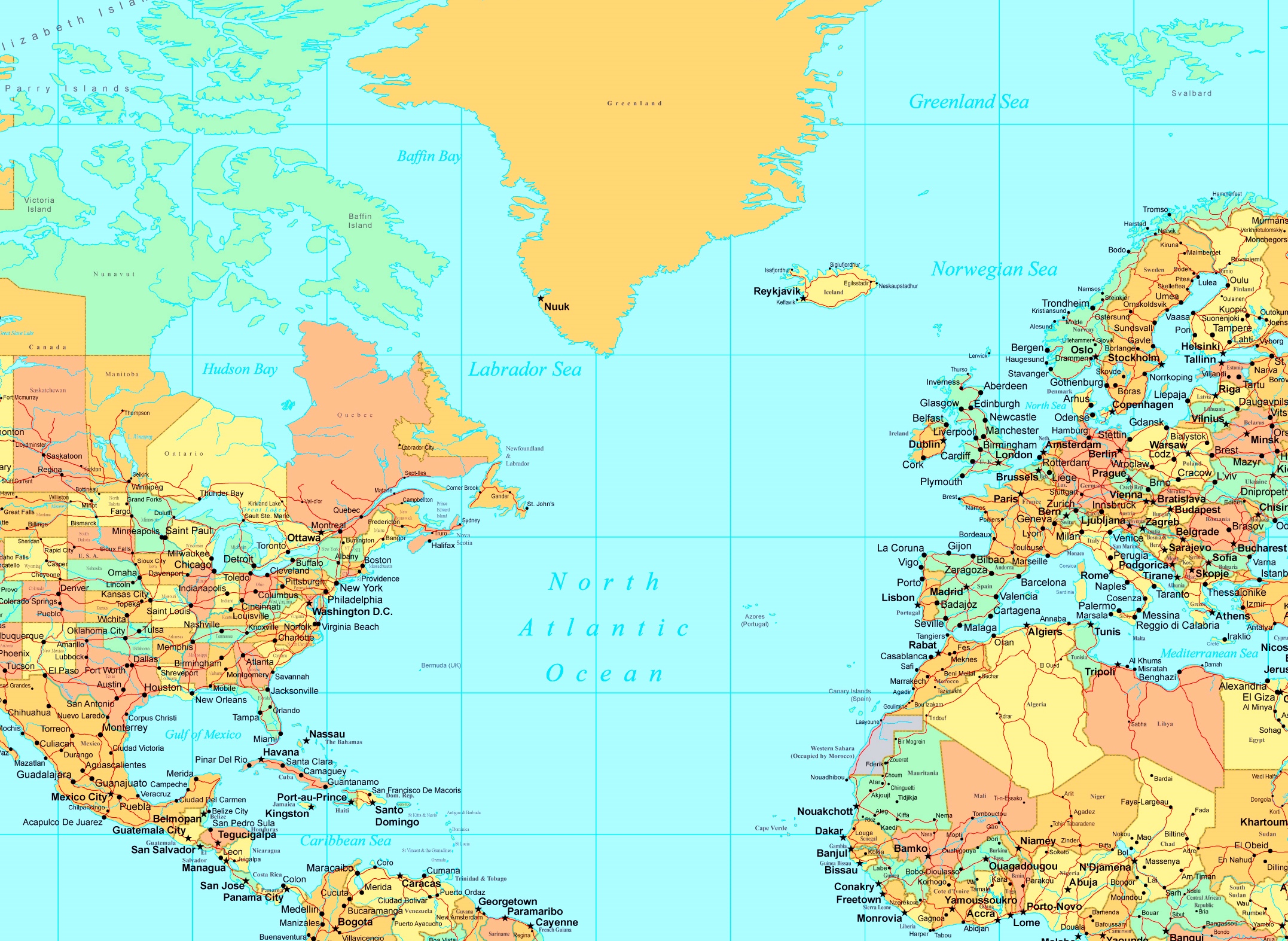
Rasmussen’s warnings suggest that this era of subsidized security has ended. The transition to a self-reliant Europe would require a massive reallocation of national budgets and a political will that has historically been difficult to achieve among the diverse interests of EU member states.
The challenge lies in whether Europe can build this new architecture fast enough to prevent the “dissolution” from becoming a catastrophe. The move toward independence is a high-stakes gamble: it offers the promise of long-term stability but carries the short-term risk of a security gap that adversaries could exploit.
As the political landscape in Washington remains volatile, the call for a European defense alliance is likely to move from the fringes of geopolitical discussion to the center of official policy. The question is no longer if Europe needs more autonomy, but whether it can achieve it before the existing structures of the North Atlantic alliance cease to function.
The international community will be watching the upcoming diplomatic cycles and defense summits closely for signs of formal movement toward this new security architecture. Further updates on official policy shifts regarding European defense autonomy will be reported as they are confirmed by government representatives.
Do you believe Europe can successfully build a defense alliance independent of the United States? Share your thoughts in the comments below or share this analysis with your network to join the conversation.
Keep reading